
Catalent Applied Drug Delivery Institute (CADDI) announced that Jim Spavins, a veteran pharmaceutical industry executive, has joined the institute’s advisory board.
Accurately targeted immunotherapies through reliable neoantigen recognition enable personalized medicine development.

Activation and expansion are essential for success in both autologous and allogeneic therapies.

Continuous manufacturing and a quality-by-design development approach are a natural fit.

Catalent Applied Drug Delivery Institute (CADDI) announced that Jim Spavins, a veteran pharmaceutical industry executive, has joined the institute’s advisory board.
The private investment firm’s $110-million acquisition boosts its API and finished dosage form value chain.
Cambrex is investing $24 Million in new, highly potent API manufacturing capacity at its Charles City, Iowa site.
Featuring software, parallel automated reactors, and other tools designed to facilitate design of experiments, development of the design space, and better process understanding and control, the Hyderabad facility came online on July 20
Lonza further expands its micronization services with the acquisition of Swiss contract manufacturer, Micro-Macinazione, following its previous $5.5-billion acquisition of dosage form provider, Capsugel.
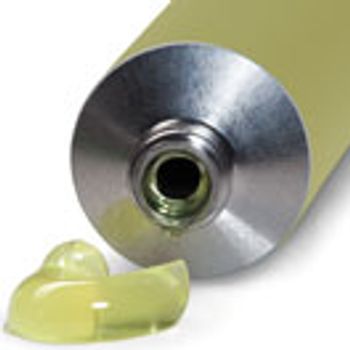
Characterization of the product and process is key for process development and scale-up of topical drug manufacturing using a QbD approach.
Safe and effective drug targeting with ADCs requires careful selection of drug, antibody, and linker.

Safe and effective drug targeting with ADCs requires careful selection of drug, antibody, and linker.

Systems that discourage continuous improvement threaten pharma innovation, quality, and supply. Can the industry break through this deadlock?

Managing and prioritizing risk is essential to ensuring raw material quality. USP is developing new guidelines to make the work easier.
Lawrence Yu, Deputy Director, Office of Pharmaceutical Quality at FDA’s Center for Drug Evaluation and Research (CDER), shares insights with Pharmaceutical Technology.

The author describes how to establish acceptance limits for acceptance value (AV) data for process validation batches, typical characteristics of AV distributions, and how to derive relevant constants for AV control charts in annual product review and continued process verification reports.

Statistical methods and novel indices can be used to monitor and benchmark variability, and guide continuous improvement programs in late-stage drug development.
EMA recognizes the need to provide more assistance and guidance to SMEs developing new medicines and applying for marketing authorizations.
The agency is asking for comments on a reflection paper on developing drugs for the needs of older patients.
Horizon to make publicly available its complete annotated CHO cell-line sequence in hopes of driving bioproduction cell-line innovation.

Requirements for early- and late-stage trial manufacturing may differ, but complying with good practices, maintaining blind studies, and considering logistics remain crucial at all times.

Successful development requires coordinating and aligning drug and device design, focusing on a complete drug delivery system that meets patients’ needs.

Investigational failures and discrepancies can be avoided through the proper execution and documentation of investigations.
The agency is asking public consultation on the concept paper.
Weak or faulty quality systems can hurt a company at every stage of a product’s lifecycle.
The agency is offering patients with life-threatening diseases a how-to tool on accessing investigational drugs.
PTSM: Pharmaceutical Technology Sourcing and Management
ipharm set up a manufacturing line at its facility in Sweden using LIDD’s NanoZolid technology.
PTSM: Pharmaceutical Technology Sourcing and Management
Contract manufacturers await a promising pipeline of drug products to jump-start stagnant growth.
The new label-free method for quantifying intracellular bioavailability can be used to predict drug exposure to target cells and hence its efficacy.