
Biocad and Sothema Labs have partnered to release cancer-treating biosimilars into the North African market.
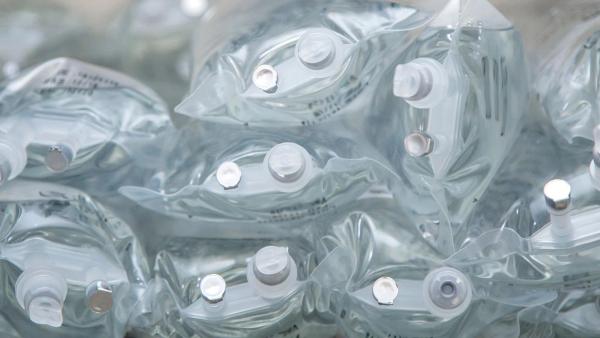
The evolution of therapeutic modalities drives the adoption of single-use technologies.
Despite its understandable hesitancy, the pharma industry is facing a need for more widespread adoption of cloud-based solutions.

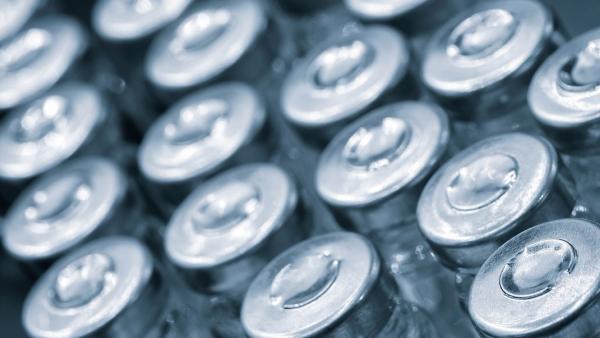
Given the criticality of fill/finish processes, it is clear that automation is the next technological step.
Biocad and Sothema Labs have partnered to release cancer-treating biosimilars into the North African market.
The acquisition gives GE Healthcare access to a nanofiber-based platform purification technology that can offer improvements in biopharmaceutical productivity.
PTI moved to a new facility in Belgium that will house its headquarters and a R&D center for tablet dedusting, capsule polishing, and testing technology.
Fette Compacting and Glatt have joined forces to develop integrated solutions for the continuous manufacturing of oral solid-dosage drug forms.
PTSM: Pharmaceutical Technology Sourcing and Management
Manufacturers and trading partners struggle to meet drug tracking requirements
PTSM: Pharmaceutical Technology Sourcing and Management
The facilities in Brescia, Italy and Karlskoga and Uppsala, Sweden, are the latest of Recipharm’s sites to be equipped to supply serialized products to the United States.
Pharma trends translate into increased need for not only external partners, but those will capabilities that can help advance today’s drug development and manufacturing challenges.
PTSM: Pharmaceutical Technology Sourcing and Management
Avista Pharma Solutions facility and equipment upgrades at its Longmont, Colorado facility support processing of potent compounds.
SciLog Select Go Single-Use Assemblies from Parker Hannifin uses an assortment of validated parts and assemblies to build needed devices for biopharmaceutical manufacturing.
The agency has approved a biologic-based new molecular entity for treating hemophilia A and has expanded the indication for a leukemia drug to now treat a common form of non-Hodgkin lymphoma.
Germany tops quality ranking in the inaugural CPhI Global Pharma Index.
As part of the deal, J&J’s Janssen will pay an upfront payment of $50 million to research, develop, and commercialize up to six bispecific antibodies.
Bayer will make a $400-million upfront payment to develop and commercialize two anti-cancer compounds in Loxo Oncology’s portfolio.
The company’s new modules offer scalable single-pass diafiltration and were exclusively showcased during its Leadership Forum series in Westborough, MA.
Equipment and Processing Report
Optimizing water and HVAC systems can reduce resource use in all pharma facilities, and, for biopharma manufacturing, the supply chain of consumables should be evaluated.
Spectrum Chemical will provide BASF precious-metal-containing powder catalysts in research quantities for early product development.

The use of therapeutic vaccines presents a new way to manage diseases, such as cancer and sexually transmitted diseases.

A new facility type integrates next-generation mobile cleanroom systems.

Alternatives to time-consuming, error-prone operations promise to reduce vaccine manufacturing costs and improve facility flexibility.

This article explores some of the challenges, services, and technologies that go into ensuring that vaccines are properly temperature controlled and maintain product integrity for delivery to patients.

The use of approved platform technologies can reduce the time and cost required to generate new vaccines.
ADC Bio experts warn of impending problems in the ADC pipeline with millions wasted in development costs.
Bormioli Rocco Pharma offers new packaging solutions for powdered oral drugs, parenteral drugs, pediatric syrups, and protein-based drugs.
PTSM: Pharmaceutical Technology Sourcing and Management
The company has completed a small-scale capacity expansion at its site in Charles City, IA.
PTSM: Pharmaceutical Technology Sourcing and Management
Company completes first successful run of what is believed to be the largest synthesis-scale done for oligonucleotide APIs.