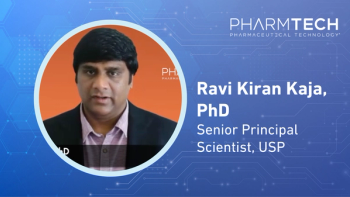
Ravi Kiran Kaja, PhD, USP, explains what harmonization of extractables and leachables standards looks like in practice.
Maria Batalha, Valgenesis, discusses how her team assited a comapny in centralizing drug substance data, standardize processes, and unlock powerful AI-driven insights.
Maria Batalha, Senior Project Lead, Delivery, Valgenesis, shares her perspective on her "Digitally-Enabled Drug Substance Lifecycle: A Case Study in Industry 4.0" panel in Part 1 of a two-part interview with PharmTech at
Batalha presents a real-world example of how digital transformation can modernize pharmaceutical manufacturing. The panel explores how centralizing critical process information, from R&D through commercial manufacturing, into a unified, FAIR-compliant digital repository can address the longstanding challenge of fragmented data spread across standalone spreadsheets and siloed teams. By leveraging AI-enabled analytics and visualization tools, the approach supports deeper process understanding, regulatory compliance, and future technology transfers, all in alignment with Industry 4.0 principles.
Batalha describes a consulting engagement in which her team at Valgenesis worked closely alongside a pharmaceutical client to guide them through digitizing their drug substance lifecycle data. Crucially, the client retained full ownership of their documents throughout, Maria's team served as advisors rather than data handlers. As she explains, "We were just guiding them throughout the process on what they needed to do, what type of things they needed to be aware of while they are handling these documents."
One significant challenge the team encountered was inconsistent data terminology across different internal groups. Batalha’s team worked to help the client establish standardized naming conventions, ensuring that variables remained traceable and unambiguous across the entire product lifecycle.
The project ultimately delivered a meaningful payoff. When the client was finally able to explore their structured data within the Valgenesis platform, they uncovered previously unknown causes behind rejected batches from their engineering process. Batalha notes that the moment was particularly impactful, "Just by looking at the data, several clicks, they were able to do some kind of type of analysis, it was very powerful for them at that point."
Batalha also acknowledges the common human challenge of digital adoption, noting that initial resistance gave way to genuine enthusiasm once the client saw the platform's capabilities in action, a dynamic she describes as typical whenever organizations transition to new digital solutions.