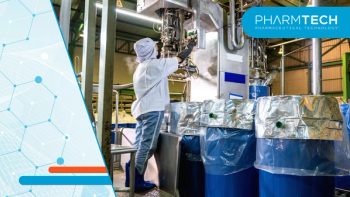
The manufacturing landscape is evolving rapidly, marked by ever-increasing competition and consumer demands, unpredictable supply chain disruptions, and the persistent challenge of employee turnover. Optimizing processes and tightening production efficiency has become a top priority for manufacturers across the process industries. Among these processes, efficient mixing stands out as a cornerstone of production, affecting energy consumption, product quality, and operational costs. Yet despite its pivotal role, the benefits of mixing are often underestimated. This article presents five possible strategies that manufacturers can begin to adopt.
This week addressed AI accountability, CPHI award winners, NFC anticounterfeiting, first-in-class FDA approvals, and a shelved FDA voucher pilot lead this week’s roundup.
Cole and Jaenisch explain why defending against AI poisoning in pharma manufacturing calls for a data steward role, immutable instruction ledgers, and automation.
Terry Katz, CEO and co-founder of ForgeStop Technology Corporation, explains how the company’s product is worth the investment by protecting products and patients.
The FDA has shelved its National Priority Voucher pilot, leaving sponsors that built CMC and launch-readiness plans around 1- to 2-month reviews facing uncertain timelines.
Regulators will test pharma companies against their own internal AI policies. Jaenisch, Muraru, and Pandey explain how to build defensible, inspection-ready AI practices.
Terry Katz, CEO and co-founder of ForgeStop Technology Corporation, explains how its connected technology can enhance anticounterfeiting and how data are handled within the product.
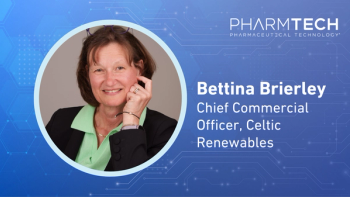
Celtic Renewables won the CPHI Award for Sustainable Pharma Excellence for its green chemicals used in pharmaceutical manufacturing. Bettina Brierley, chief commercial officer, talks about the adoption, capacity, and pricing of biosolvents.