


Greater accountability and resilience across drug development and manufacturing are key goals for regulators and industry.
Susan Haigney is lead editor of BioPharm International®.
Greater accountability and resilience across drug development and manufacturing are key goals for regulators and industry.

PharmTech spoke with Jamie Evans, manager of analytical method development and validation, and Joe Cobb, CPIP, manager of formulations, both with Lonza Capsugel, about best practices for pharmaceutical technology transfer.

PharmTech spoke with Gabriela Grasa Mannino, Senior Director, Advanced Supply Chain Solutions, US Pharmacopeia about the current state of the drug supply chain and what actions USP is taking to make supply more secure.

June saw regulators look back at their achievements, take stock of drug shortages, and advance treatments for rare diseases.
June saw regulators look back at their achievements, take stock of drug shortages, and advance treatments for rare diseases.

FDA has approved Tregzi, the first regulatory T-cell therapy shown to reduce chronic GVHD and improve survival in blood cancer transplant patients.

The company’s thyroid eye disease treatment will be the first at-home subcutaneous disease-modifying treatment if approved.

This episode of Ask the Expert takes a look at recent regulatory actions impacting biologics manufacturers.

The outsourcing company is adding commercial-scale capabilities to manufacture HPAPI and ADC payload-linkers.

The companies have been selected to participate in the pilot program to expand domestic pharmaceutical manufacturing and strengthen the US drug supply chain.
This week, the industrialization of advanced biologics, sustained regulatory and investment momentum behind next-generation therapeutics, and an ongoing push across the supply chain to improve standardization and efficiency were themes covered on PharmTech.
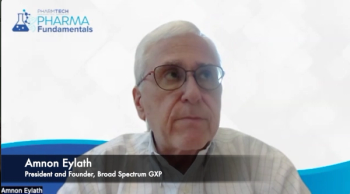
This episode of Pharma Fundamentals explains the difference between a quality system for biologics compared with small-molecule drugs and the Parenteral Drug Association’s revision to Technical Report No. 56.
This episode of Pharma Fundamentals explains the difference between a quality system for biologics compared with small-molecule drugs and the Parenteral Drug Association’s revision to Technical Report No. 56.

The agency approved palbociclib with trastuzumab, with or without pertuzumab, and endocrine therapy for the maintenance treatment of HR-positive, HER2-positive metastatic breast cancer.

Merck is collaborating with Versant Ventures to establish a portfolio of treatments for rare genetic cardiomyopathies. The company also announced the winners of its 2026 Future Insight Prize and its 2026 North American Advance Biotech Grant.

AI governance, nitrosamine risks, and surging US manufacturing investment reshape quality systems, deals, and workforce needs.
This week's headlines saw oncology investment; persistent pressure on supply chain resilience and drug availability; and the importance of operational readiness.

The EMA’s annual report shows the agency approved 104 human drugs in 2025 that included first-in-class and first-in-indication therapies.
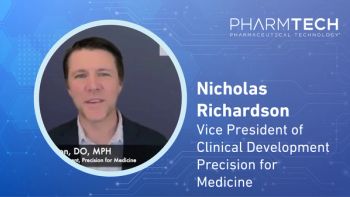
Nicholas Richardson, vice president of clinical development at Precision for Medicine, explains why radiopharmaceuticals are unique for patients with cancer and what makes them challenging to develop for those patients.

The standards organization’s annual drug shortages report finds drug shortages lasting longer and the number of discontinuations rising, but the number of shortages themselves have gone down.
Regulatory reform, patient access, and supply chain security were 3 of the key themes showcased this week on PharmTech.com.

EMA, AMA, and national regulatory authorities in Africa are working on potential clinical trial designs and medical treatments for the Ebola outbreak in the DRC and Uganda.

The organization’s set of product-specific biologics emerging standards are available on its Emerging Standards Platform for public comment.

The new draft guidance allows for the use of publicly available information and established platform knowledge in regulatory submissions for cell and gene therapies that use genome editing in human somatic cells.
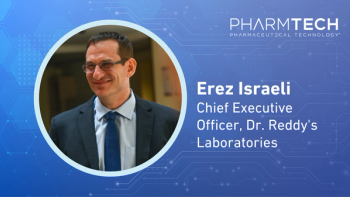
Erez Israeli, chief executive officer of Dr. Reddy's Laboratories, provides insight on the company’s generic version of semaglutide, which entered the Canadian market in May 2026.
Nicholas Richardson, vice president of clinical development at Precision for Medicine, explains how important infrastructure is for radiopharmaceutical development.

This week's news and expert commentary shows that regulatory timelines are tightening, strategic capital is moving into new therapeutic categories, and long-standing operational gaps are demanding real solutions.
PharmTech takes a look back at US and European regulatory news from the month of May 2026.
Regulators made significant advancements in treatments for unmet needs and streamlining review processes in May.
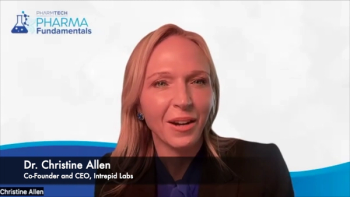
Dr. Christine Allen, Co-Founder and CEO of Intrepid Labs, and Dr. Andrew Lewis, Chief Scientific Officer of Quotient Sciences, explain how AI can be used in drug development to shorten development timelines.