
Equipment and Processing Report
Predictive and prescriptive maintenance improve pharmaceutical manufacturing equipment effectiveness.
Jennifer Markarian is manufacturing reporter for Pharmaceutical Technology.
Equipment and Processing Report
Predictive and prescriptive maintenance improve pharmaceutical manufacturing equipment effectiveness.
Equipment and Processing Report
Ready-to-use components help compounders and manufacturers of small batches overcome economy-of-scale limitations in aseptic GMP manufacturing.
Equipment and Processing Report
The goal of Design for Reliability (DfR) is to eliminate defects at the design stage; PharmTech interviews Jacobs about DfR for pharma equipment.

PATH’s Microarray Patch Center of Excellence aims to accelerate transdermal patch technology for public health needs.
Ready-to-use components help compounders and manufacturers of small batches overcome economy-of-scale limitations in aseptic GMP manufacturing.
Equipment and Processing Report
Optima Packaging explains its approach to process design.
Equipment and Processing Report
Systems-based pharmaceutics case studies, challenges, and new uses were discussed at PSE’s Advanced Process Modeling Forum.
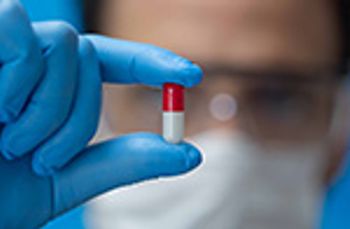
Establishing OEL data and ensuring appropriate engineering controls are crucial aspects of safe handling.

Automated, electronic systems for raw materials tracking improve efficiency and prevent mistakes in biopharma manufacturing.
Cloudleaf's Digital Visibility Platform can track which track location and additional environmental information, such as temperature, vibration, and shock, of sensors placed on raw material containers.
Equipment and Processing Report
Regulatory, cultural, and technical differences between drug and device development can pose challenges to pharmaceutical combination product development.

Homogeneity of the powder blend is crucial for solid-dosage drug manufacturing.
Equipment and Processing Report
The freedom of design found in additive manufacturing offers the potential for improved processing equipment, both in prototypes and commercial equipment.
Equipment and Processing Report
A presentation at the Leistritz Pharmaceutical-Nutraceutical Extrusion Seminar explained how simulation tools benefit the development process.
A simple, one-part DPI aims to make inhalation drug treatment more accessible and affordable.

A connected MDI may encourage compliance and aid proper technique.

Wearable and smart devices allow user-friendly subcutaneous drug delivery.
Regulatory, cultural, and technical differences between drug and device development can pose challenges to pharmaceutical combination product development.
Equipment and Processing Report
A data exchange program between GE Healthcare and Amgen aims to improve biologics manufacturing through analysis of how raw materials affect the process.
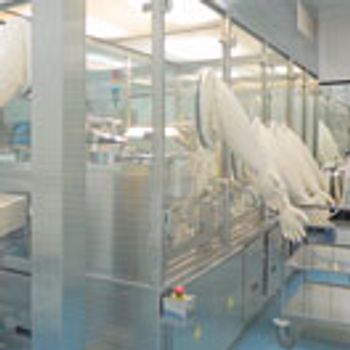
Closed systems for aseptic fill and finish were featured at INTERPHEX 2019.
Equipment and Processing Report
Closed systems for aseptic fill and finish were featured at INTERPHEX 2019.
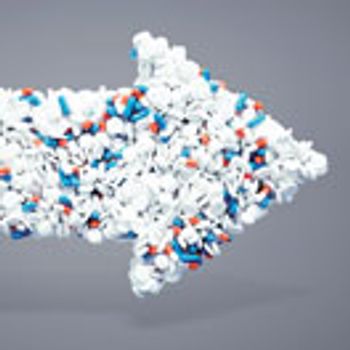
In OSD continuous manufacturing, flexible batch sizes can optimize supply, but equipment and processing challenges are still being addressed.

When specifying an automated powder transfer system for vacuum conveying of pharmaceutical powders, consider material properties, facility constraints, and designs to mitigate explosion.

New technologies in the digital factory enhance quality, efficiency, and flexibility for bio/pharmaceutical manufacturing.
Equipment and Processing Report
Eli Lilly and Company experts share the vision and the value of the digital plant for pharmaceutical manufacturing.
Equipment and Processing Report
System connectivity and data analysis drive increased productivity in pharma manufacturing.
Equipment and Processing Report
Modular and podular laboratory and manufacturing allow rapid reconfiguration to support development of drugs for diverse patient populations.

Boehringer Ingelheim plans to develop and test new strategies at its Solids Launch facility.
Transdermal patch design, materials, and manufacturing variables, as well as drug formulation and interactions between the API and the adhesive, can affect adhesion and drug delivery.
Virpax’s Patch-in-a-Can technology delivers pain medication using a metered-dose spray film.