In the concluding segment of a multi-part interview, Jason Bryant of ArisGlobal explains how human-in-the-loop and human-on-the-loop are both still relevant in AI implementation in pharma.
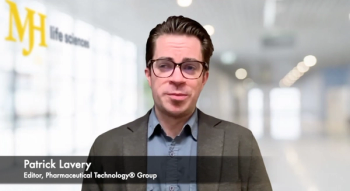
Patrick Lavery is an Editor for the MJH Life Sciences brands Pharmaceutical Technology and BioPharm International, and their respective websites, pharmtech.com and biopharminternational.com. Previously at MJH, he filled the same role for LCGC International and Spectroscopy.
In the concluding segment of a multi-part interview, Jason Bryant of ArisGlobal explains how human-in-the-loop and human-on-the-loop are both still relevant in AI implementation in pharma.
ArisGlobal’s Jason Bryant continues a video supplement to his series of articles on the adoption and implementation of AI agents.
In an expansion of his written three-part series for PharmTech, Jason Bryant of ArisGlobal explains the interplay between autonomy and accountability that is essential for AI agents assisting the pharmaceutical industry.

In this look back at the year that was, in so many ways but in the bio/pharmaceutical industry especially, we remember 2025 as the point in time when AI declared it was here to stay.
FDA leadership initiated rapid drug review programs, enhanced transparency by publishing decision letters in real time, and strategically integrated AI into agency operations.
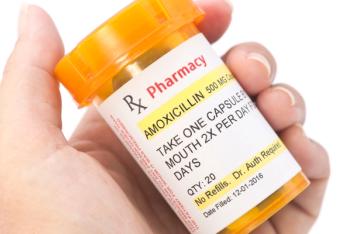
The approval was granted to USAntibiotics, with FDA saying it addresses pronounced antibiotic shortages in the past two decades.
Pharma R&D, formulation, and manufacturing are transforming via HPAPI advances, AI-driven automation, EU regulatory shifts, and patient-centric drug design.

The collaboration will initially focus on advanced stages of solid cancers such as colorectal, pancreatic, lung, and breast, but may expand to other cancer types in the future.
New drug delivery systems prioritize convenience and customization, using advanced technologies like nano-engineering and non-invasive routes to improve patient outcomes.
Digital transformation, AI, 3D printing, and proactive maintenance are reshaping pharma, speeding discovery and demanding new manufacturing standards.

Though not an actual creature, the aptly named longevity fund has announced a strategic investment in Etheros’ development of a new class of drugs.
3D printing enables personalized precise drug delivery, enhances compounding efficiency, and is driving new regulatory models like distributed pharmaceutical manufacturing.
AI transforms formulation, bioanalysis, and manufacturing; accelerated FDA reviews demand parallel development readiness; new nasal spray enhances patient drug access.
In this podcast episode, we discuss the journey of novel modalities in rare disease treatment to patients, particularly advancements in oncology and the increasing role of patients' families in accelerating R&D.
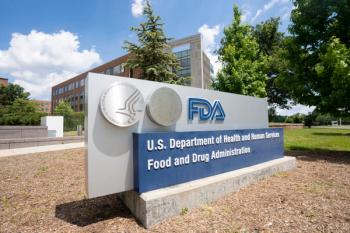
While the deadline to make oral presentations has passed, public comment can be submitted up to a month after the workshop is held on Dec. 16.
Machine learning tools are now moving from concept to validated applications, driving transformative shifts in bioanalysis, preclinical testing, and formulation optimization across the industry.
AI, in-silico modeling, and rational design streamline drug formulation; rapid regulatory pathways demand pre-submission perfection in quality and parallel execution.
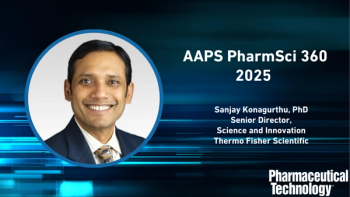
The conclusion of this interview with Sanjay Konagurthu focuses on simulations and calculations that go beyond simple screening.
Sanjay Konagurthu of Thermo Fisher Scientific discusses how AI and ML can help solve the dilemma of poor solubility.

To meet rising demand, developers of precision radiopharmaceutical therapies must overcome challenges in global isotope supply and align R&D platforms with evolving FDA guidance on clinical dosimetry.

Quality, stability, sustainability, and the increased and thoughtful integration of artificial intelligence are foremost in the minds of those on the leading edge of testing trends.
Corey Bloom of Lonza outlines major points from his AAPS presentation, from drug delivery technology selection to the importance of CDMO partnerships.
Accelerated drug development insights using AI/digital twins, advanced bioanalysis, targeted delivery, and optimized formulation stability models.
To prevent catastrophic loss of expertise and investment, government and academic leaders say coordinated policy and significant investment in workforce talent are urgently needed in the UK.

A worldwide, exclusive license is being granted to develop and commercialize enzyme replacement therapies using proprietary platform technology.
Thermo Fisher’s Jennifer Cannon reviews the first year of the company’s Accelerator Drug Development suite of services and the overall experience of attending the CPHI conference.
Frank Romanski of Lonza Capsugel dives into the excipient side of manufacturing and the emerging prevalence of digitalization.
Exclusive interviews revealed that digital transformation, data integrity protocols, and a regionalized supply chain are crucial strategies for optimizing drug development and manufacturing efficiency.
The planned Kenvue acquisition, expected to close in the second half of 2026, has notable implications for pharmaceutical R&D and manufacturing professionals.
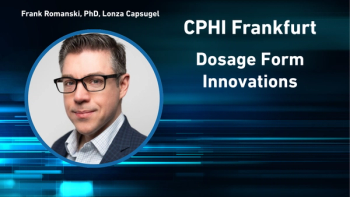
Patient compliance is driving the emergence of new modalities, as Frank Romanski of Lonza Capsugel explains in the first installment of a two-part discussion.

October 31st 2024