
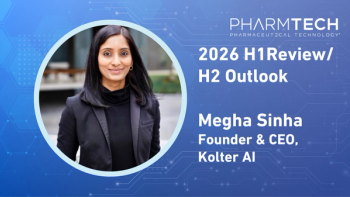
Megha Sinha, Kolter AI, talks on how orchestrator roles surged in pharma AI, but teams need computed plans, not titles, to close the skills gap.
Content Associate
PharmTech
Megha Sinha, Kolter AI, talks on how orchestrator roles surged in pharma AI, but teams need computed plans, not titles, to close the skills gap.

BMS is scaling AI drug discovery with new NVIDIA infrastructure, cutting research timelines via faster, more efficient computing power.
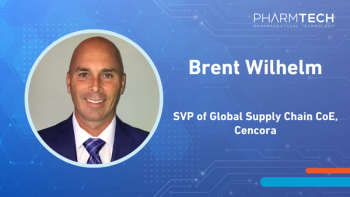
Brent Wilhelm, Cencora, talks on last-mile drug delivery risks, carrier network visibility, weather disruptions, and how AI could improve routing.
Megha Sinha, Kolter AI, discusses how digital twins run pharma supply chains but miss the regulatory execution needed to launch changes across markets.
Brent Wilhelm, Cencora, discusses why pharma supply chains still run on historical demand data and how AI could close the real-time visibility gap.

FDA finalizes bioequivalence guidance for topical corticosteroids and new meeting rules for OTC monograph drug sponsors, replacing a 1995 standard.
FDA proposes a hub-and-spoke manufacturing registration rule and approves three drugs for multiple myeloma, IgA nephropathy, and bladder cancer.
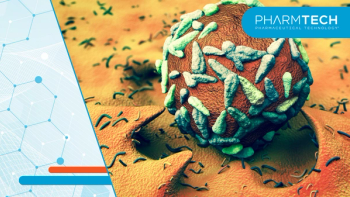
Dostarlimab monotherapy achieves sustained 12-month complete response in dMMR/MSI-H rectal cancer, potentially sparing chemo and surgery.
FDA approves subcutaneous isatuximab-irfc for multiple myeloma, backed by trial data showing efficacy comparable to IV dosing across three regimens.
Ocrelizumab biosimilar for multiple sclerosis: Teva and Polpharma Biologics sign global deal covering intravenous and subcutaneous forms.
FDA approves a new IgA nephropathy therapy that targets two immune cytokines at once, offering a weekly, self-administered treatment option.

EMA starts phased review of daraxonrasib for metastatic pancreatic cancer, testing a faster assessment model under reformed EU pharma rules.
In a string of ADC acquisitions, Novartis agreed to acquire Myricx Bio for up to $1.5 billion, gaining an NMTi ADC payload platform designed to overcome resistance in solid tumor treatment.

BioPhorum launches a 20-member collaboration uniting pharma, CDMOs, and regulators to address manufacturing challenges in small molecule drug production.
The FDA again rejected Unicycive's oxylanthanum carbonate over third-party manufacturing compliance, not safety, spotlighting CMC risk in nanoparticle drug development.

AI is reshaping GMP documentation and quality workflows, but human accountability remains non-negotiable, and the regulatory consequences for over-relying on AI are real.
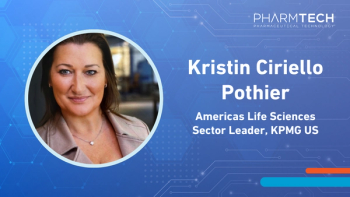
Kristin Ciriello Pothier, KPMG US, discusses deal discipline, manufacturing diligence, and why oncology and GLP-1s are driving biopharma M&A activity in 2026.
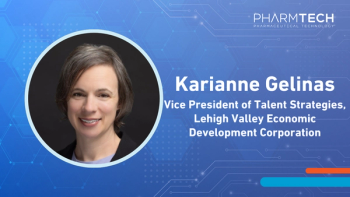
How the Lehigh Valley Economic Development Corporation is building a technical workforce pipeline to support Eli Lilly's 850-job pharmaceutical manufacturing expansion.

The FDA's revised draft guidance updates master protocol recommendations on randomization, control groups, blinding, and regulatory submissions for multi-drug trials.
AbbVie acquires Apogee Therapeutics for $10.9 billion, gaining zumilokibart, a long-acting injectable targeting atopic dermatitis and asthma with once-quarterly dosing potential.
Kristin Ciriello Pothier, KPMG US, discusses why pharma dealmaking slowed in early 2026, but how AI partnerships, manufacturing acquisitions, and oncology are driving a second-half rebound.

US opens Section 301 probe into Germany's drug pricing, threatening tariffs that could disrupt API supply chains and reshape pharma manufacturing investment.

First generic of single-dose flu drug baloxavir marboxil approved by FDA ahead of 2026–2027 season, expanding antiviral access and manufacturing competition.
Kristin Ciriello Pothier, KPMG US, explains why supply chain resilience and platform technology diligence are reshaping biopharma M&A valuations globally.
Duloxetine was recalled over excess nitrosamine impurity, renewing scrutiny of process controls across generic drug manufacturing.
Karianne Gelinas, LVEDC, outlines workforce strategies to fill 850 technical roles ahead of Eli Lilly's major Lehigh Valley manufacturing investment.
Kristin Ciriello Pothier, KPMG US, discusses biopharma dealmaking shifting toward strategic precision, with oncology, GLP-1s, and manufacturing complexity reshaping M&A valuations in 2026.
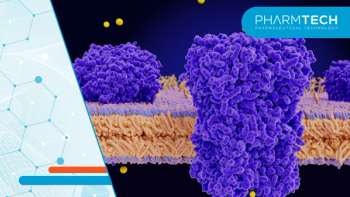
The FDA priority review granting of AstraZeneca’s ravulizumab reinforces the commercial and scientific rationale for sustained investment in complement biology platforms.
Lehigh Valley's deep manufacturing base, community college partnerships, and apprenticeship programs positioned the region to attract Eli Lilly's investment.
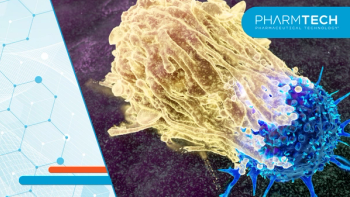
GSK's momelotinib receives US and EU orphan drug designations for VEXAS syndrome, a rare myeloid disorder with 30–40% five-year mortality and no approved treatments.