

Bkemv (eculizumab-aeeb) is the first interchangeable biosimilar to Soliris (eculizumab) to treat paroxysmal nocturnal hemoglobinuria and atypical hemolytic uremic syndrome.
Bkemv (eculizumab-aeeb) is the first interchangeable biosimilar to Soliris (eculizumab) to treat paroxysmal nocturnal hemoglobinuria and atypical hemolytic uremic syndrome.

Johnson & Johnson will gain NM26, a bispecific antibody targeting atopic dermatitis, via the acquisition of a wholly owned subsidiary of Numab Therapeutics.
The partnership will create therapeutic assets and new discovery platforms and potentially reshape drug discovery.

In an ASGCT Panel on nucleic acid- and cell-based vaccines in oncology, work on a personalized mRNA vaccine was highlighted.

The partnership aims to provide end-to-end development and manufacturing for biopharmaceutical drug substance and drug product.
With the acquisition, Biogen gains felzartamab, HI-Bio's lead investigational mAb candidate being developed for the treatment of a range of immune-mediated diseases.
With this acquisition, Merck KGaA will have the capability to offer integrated services for viral vector manufacturing.

The units are being recalled because of incomplete crimp seals and one complaint of a leaking unit.
The company is collaborating with the Access to Oncology Medicines Coalition to expand patient access to immuno-oncology therapy Opdivo.
The new facility will be the company’s first to offer full manufacturing processing for antibody drug conjugates.
After a review, the agency concluded there was a possible risk of cancer to those exposed to 17-hydroxyprogesterone caproate in the womb.
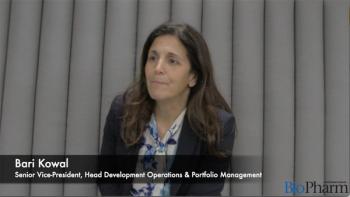
Bari Kowal, senior vice-president, head Development Operations & Portfolio Management, Regeneron, discussed the utility of AI and how it can benefit R&D work.
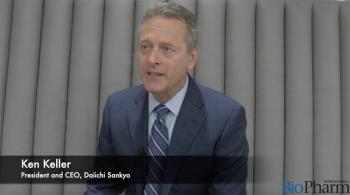
Ken Keller, president and CEO, Daiichi Sankyo, discusses the foundation of partnership and takes a look at the future of biotech partnerships at the US Pharma and Biotech Summit.
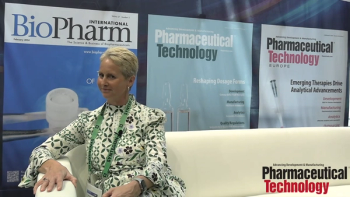
TekniPlex recently acquired Seisa Medical, which has expanded the company's services into that of a CDMO.
The new 80,000-square-foot facility will increase production of the company’s freeze-drying equipment.
The drug discovery company intends for this new site to increase its reach in the region, supporting growing demands from its Asia-Pacific consumers.
EMA’s CHMP recommended treatments for hemophilia A, colorectal cancer, hypertension, overactive bladder, and metastatic breast cancer.
The separation of deamidated capsids from non-deamidated capsids can be achieved using HIC, according to studies done by a team at Oxford Biomedica.
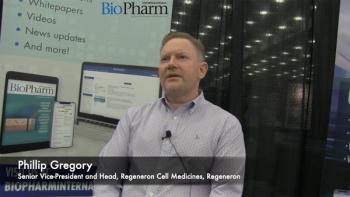
Phillip Gregory, PhD, senior vice-president and head of Regeneron Cell Medicines, Regeneron, discussed how engineering receptor architecture can be a tool to improve CAR-T cell sensitivity to tumor antigens.
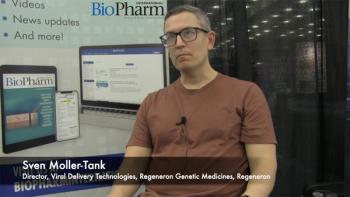
Regeneron's Sven Moller-Tank, PhD, director of Viral Delivery Technologies, Regeneron Genetic Medicines, discusses the company's work in using bispecific antibodies for redirecting AAV target specificity.
At CPHI NA, Rachel Harris, AstraZeneca, spoke on her work at BioPhorum to enable industry consensus and action for sustainability with drug delivery devices.
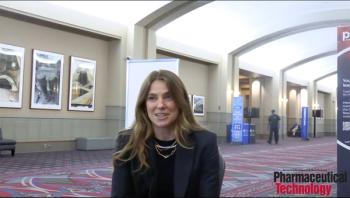
Tara Dougal, content director, Pharma, Informa Markets, discusses successes and insights from this year’s CPHI North America and the agenda for the upcoming CPHI Milan.
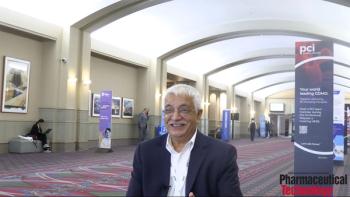
Purna Thakker, founder and CEO of ADPT Solution, discusses common issues that companies face with FDA regulations at CPHI North America.
The company’s presentation at ASGCT includes preliminary data results for a child who received the gene therapy.
Experiments conducted by the downstream technology team at Spark Therapeutics involving metal ion-containing additives showed improved capsid clearance in AAV production.
The company is presenting preclinical data at the American Society of Gene & Cell Therapy annual meeting that supports the potential of the company’s CAP-002 gene therapy for correcting neurological phenotypes associated with genetic epilepsy due to syntaxin-binding protein 1 (STXBP1) mutations.

Novel delivery technologies enhance brain penetration to target neurodegenerative diseases and glioblastomas.
ProPharm and PBL have introduced a fully automated, enclosed cell factory manufacturing device.
The two companies will combine their cell therapy platforms to develop convertibleCAR programs targeting solid tumors.
The request for more information was received weeks after an application to the FTC was refiled to approve the deal.