

Pharmaceutical Technology Europe
Needle-free injection technologies have been developed for injecting liquid formulations, as well as injecting drugs and vaccines in a solid dosage form.
Accurately targeted immunotherapies through reliable neoantigen recognition enable personalized medicine development.
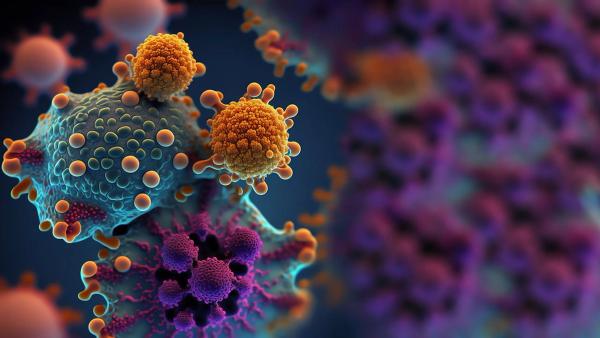
Activation and expansion are essential for success in both autologous and allogeneic therapies.
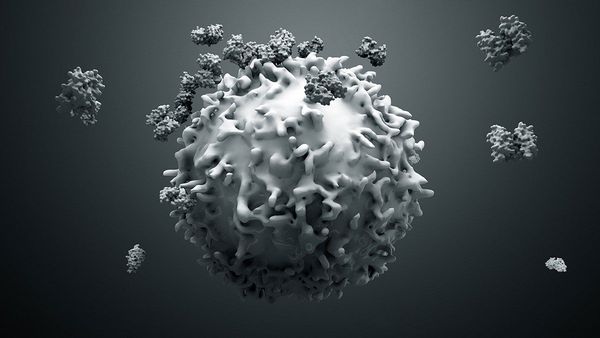
Continuous manufacturing and a quality-by-design development approach are a natural fit.

Pharmaceutical Technology Europe
Needle-free injection technologies have been developed for injecting liquid formulations, as well as injecting drugs and vaccines in a solid dosage form.
Pharmaceutical Technology Europe
The way in which a suspension nasal spray product interacts with the body depends not only on the droplet size of the delivered droplet, but also on the particle size of the suspended API.
Pfizer Acquires Ferrosan's Consumer Health Business; Patheon Appoints Former Biogen Exec as CEO; and More.
Pharmaceutical Technology Europe
Taking inspiration from nature, researchers have devised a way of giving drug-bearing polymer vesicles armored protection that could enhance drug delivery.
Company and People Notes: Pfizer Completes King Tender Offer; Cook Pharmica Names VP of R&D and CSO; and More
Deep process characterization and "lab-on-a-chip" enable SMART bioprocess design.
Follow-ons were all the rage at this year's JP Morgan Healthcare Conference.
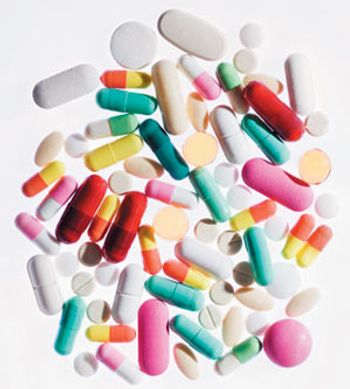
Will 2011 be a more promising year for new molecular entities? A review of Big Pharma's late-stage pipeline shows what might lie ahead.
Taking care to note, file and re-check information can save one from future mishaps.
PTSM: Pharmaceutical Technology Sourcing and Management
As the industry prepares for Informex, the trade show of custom and batch manufacturers in Charlotte, North Carolina, a roundup of key recent developments.

Pharmaceutical Technology Europe
Multiple materials are involved in the packaging of drug products in prefillable syringes.

The authors highlight the need for a technology-transfer process that is efficient, cost-effective, and repeatable, stressing the importance of process understanding. Read this and other preferred organization articles in this special issue.

Pharmaceutical Technology Europe
Prefillable syringe systems are still one of the strongest growing segments in the pharmaceutical primary packaging market
Novartis Acquires Genoptix; Lilly Exec Becomes Savient CEO; and More.

Pharmaceutical Technology Europe
The original autoinjectors in the 1980s and 1990s were designed for military emergency applications and for the treatment of migraine and anaphylactic shock.
FDA published its long-awaited guidance titled Process Validation: General Principles and Practices this week.
Merck Teams with Parexel; Roche CFO to Retire; and More
FDA issued a draft guidance for industry on Jan. 18, 2011, about the size of beads within drug products labeled for sprinkle.
Equipment and Processing Report
A company's contamination-control plan is an important document designed to formalize the rationale, methods, and validation of contamination-control procedures in a manufacturing facility. The author describes the role of bioburden in the contamination-control plan.
Equipment and Processing Report
Improvements in analytical techniques may call for a re-evaluation of the biopharmaceutical industry saying that "the process is the product."
Pharmaceutical Technology Europe
During the past few years, we've seen a growing interest in direct oral application products, evidenced by the large amount of products already available on the market.

Pharmaceutical Technology Europe
Iain Moore explains what progress has been made so far regarding EU plans to regulate excipients.
Pharmaceutical Technology Europe
Biologics are large molecular weight molecules primarily formulated for parenteral administration; however, there are some smaller biomolecules that have been formulated for oral use.
Pharmaceutical Technology Europe
Excipients should be regulated to manage risk. Although, excipients are an integral part of a finished pharmaceutical product, the issue of regulation is complex.
Gilead Sciences to Acquire Arresto Biosciences; Sartorius Appoints Head of Lab Business; and More.