
In the coming year, pharmaceutical innovation will be fueled by key trends throughout the quality sector.

Accurately targeted immunotherapies through reliable neoantigen recognition enable personalized medicine development.
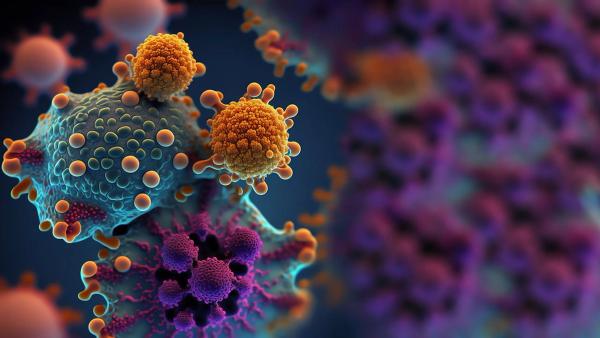
Activation and expansion are essential for success in both autologous and allogeneic therapies.
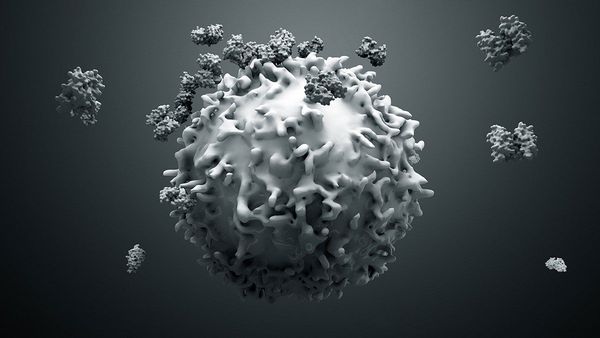
Continuous manufacturing and a quality-by-design development approach are a natural fit.

In the coming year, pharmaceutical innovation will be fueled by key trends throughout the quality sector.

The COVID-19 pandemic helped to showcase RNA molecules and their therapeutic potential. There were also lessons learned in terms of drug delivery, manufacturing, logistics, and storage.
Webcasts
Webinar Date/Time: Tue, Feb 28, 2023 2:00 PM EST

Webcasts
Webinar Date/Time: Thu, Feb 23, 2023 11:00 AM EST

Webcasts
Webinar Date/Time: Session 1: Evaluating the Best Formulations for Amorphous Solid Dispersions by Spray Drying: Tuesday, February 28th, 2023 4:00pm GMT | 11:00 am EDT | 5:00 pm CEST Session 2: ASDs by Spray Drying: Process Development & Scale-Up: Wednesday, March 22nd, 2023 at 4pm GMT | 11am EDT | 5pm CEST Session 3: Commercial Reality and Lifecycle Management of ASDs: Thursday, April 20th, 2023 at 4 GMT | 11am EDT | 5pm CEST

Webcasts
Webinar Date/Time: Tuesday, February 28th, 2023 at 11am EST | 8am PST | 4pm GMT | 5pm CET
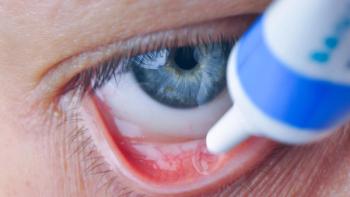
Topical eye treatments can be beneficial for patients with a growing array of eye diseases, but only if taken appropriately.

Shifting guidance and the growing prominence of computer software assurance exemplify the state of computer software validation.
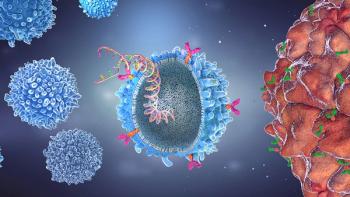
In vivo CAR-T gene therapies could resolve challenges faced by autologous and allogeneic treatments.

This new pioneering phase of mRNA is loaded with potential, but also obstacles and false dawns.

Webcasts
This event is now available on-demand!
The United States Patent and Trademark Office issued a Notice of Allowance for Zika vaccine patent to GeoVax.

Webcasts
Webinar Date/Time: Tuesday, February 21st, 2023 at 11am EST | 8am PST | 4pm GMT | 5pm CET
Recently, 2seventy bio announced the initiation of a strategic partnership with JW Therapeutics aiming at the collaboration being the development of 2seventy bio’s MAGE-A4 cell therapy in mainland China, Hong Kong, and Macao.

Webcasts
Webinar Date/Time: Tue, Jan 31, 2023 11:00 AM EST
This self-emulsifying system improves the miscibility and dispersibility of formulations in aqueous environments and may improve API solubility.
Public relations agencies dissect pharmaceutical trends: Brandwidth Solutions, Orientation Marketing and White Matter Communications

Advancing the use of AI to understand the whole of a disease can reveal drug development insights that lead to drug discovery breakthroughs.

This compilation allows readers to adjust their thinking to appreciate the full impact certain select technologies will make on the industry by 2026.

Inhaled vaccines must resist degradation and penetrate the mucosal lining in the airways and lungs.
Cell and gene therapies is unequivocally viewed as the biggest opportunity in the bio/pharma space.
Sosei Heptares and Eli Lilly have entered a multi-target collaboration and license agreement in diabetes and metabolic diseases.
In this episode of the Drug Solutions Podcast, Meg Rivers discusses outsourcing strategies in biopharma with Jeff Henderson, key account manager of Vetter.
GSK and Wave Life Sciences have entered into a collaboration to drive drug discovery and development for novel genetic targets.
AbCellera and Rallybio are teaming up to discover, develop, and commercialize novel antibody-based therapeutics for rare diseases.