

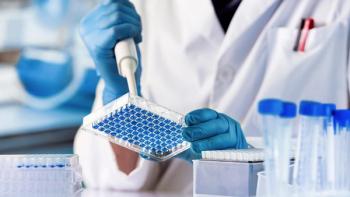
Although well known in R&D, PK/PD studies are an equally powerful tool for promoting successful biologic drug development.
Accurately targeted immunotherapies through reliable neoantigen recognition enable personalized medicine development.
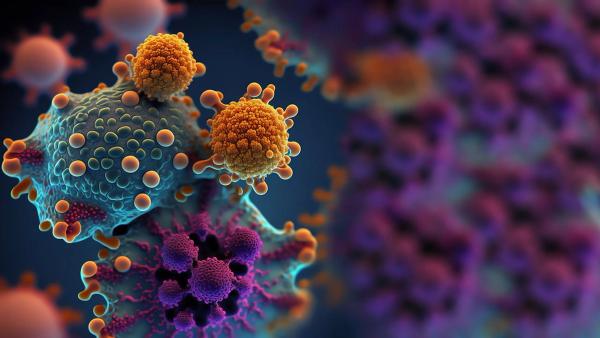
Activation and expansion are essential for success in both autologous and allogeneic therapies.
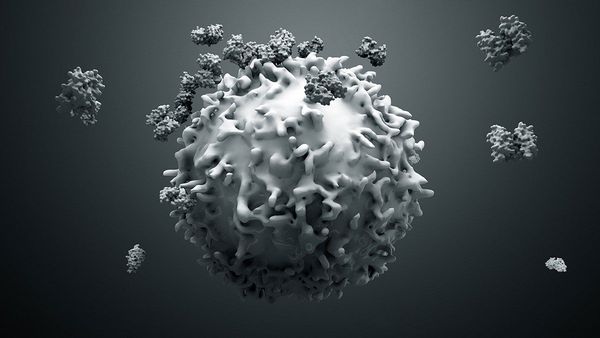
Continuous manufacturing and a quality-by-design development approach are a natural fit.
Although well known in R&D, PK/PD studies are an equally powerful tool for promoting successful biologic drug development.

Pharmaceutical Technology Europe got the scoop on Agilent's new Dissolution Testing Centre of Excellence in Craven Arms, UK.

Dissolution testing is experiencing a refresh thanks to a variety of market drivers.
Science news can be just so weird, or weirdly useful, that everything else recedes as we ponder whether it is true and what consequences it might bring.
Results from Eisai and Biogen’s Alzheimer's treatment, lecanemab, indicated significantly slowed cognitive decline in patients relative to placebo.
SPX-001, a respiratory drug candidate, will be submitted through a combined Clinical Trial and Ethics Committee application for further advancement in the clinical stages.
Biotech startup, Cradle, has raised $5.4 million in seed funding with an AI-enabled design platform that allows for the synthetic building of cell factories to produce proteins.

Webcast
Wednesday, November 16, 2022 at 11 am ET | 8 am PT | 4 pm GMT | 5 pm CET This webinar will discuss challenges and key considerations for spray-dried formulations for inhalation, along with a review of current technologies and approved products utilizing particle engineering approaches.
A look back at challenge and innovation highlights in 2022 for oral solid dosage forms, this podcast episode will review industry experts’ takes on factors driving the evolution of OSD forms as well as innovations in APIs, technology, and methodology.

Webcast
Tuesday, November 15th, 2022 at 10 am EDT | 8 am CDT | 7 am PD Spatial Biology is changing the drug development landscape. Validating efficacy with and actual image of the molecule interacting with the tissue provides the additional data needed to determine success or failure. Join the webinar on November 15th to learn more about the solutions Spatial Biology provides.

Advancements in soft capsule technology can enable the development of soft capsule formulations, which are becoming the preferred method of oral administration.
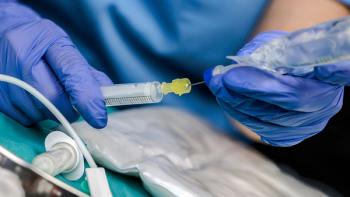
High-concentration injectable formulations present unique challenges.

Opportunities and developments in particle engineering are providing developers with the tools to advance drug candidates successfully.

The state of oral solid dose manufacturing is influenced by new approaches, novel technologies, and the structural evolution of the raw materials market.
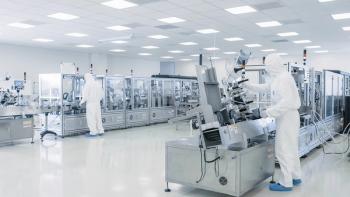
Adherence to detail and thorough project management are required for successful tech transfer and scale up.
Pharma companies set goals and adopt more sustainable alternatives.
New medications show exciting outcomes for weight loss.

Experts discuss factors that can affect the outcome of an ADME study, signs that a drug compound shows promise, red flags, and key parameters to determine safety and efficacy.
FDA has accepted Ashland’s Viatel bioresorbable mPEG-PDLLA pharmaceutical excipient into the FDA Novel Excipient Review Pilot Program.
Gerresheimer has developed a new dropper insert for ophthalmic formulations that it is showcasing at CPHI 2022 in Frankfurt, Germany.
Roquette has launched excipients PEARLITOL CR-H and PEARLITOL 200 GT.
AstraZeneca’s Imjudo (tremelimumab) was approved by FDA in combination with Imfinzi (durvalumab) for treating unresectable liver cancer.
Under the new collaboration with Tempus, GSK will have access to de-identified patient data to accelerate drug discovery, improve clinical trial design, and speed up enrollment.
Aenova Group and Microcaps are partnering to enable new customized formulations for product development and life cycle management solutions.
In this episode, Ana Ladino provides expert insight into novel excipients in the current and future drug development landscape.