


Batavia Biosciences is expanding its headquarters and R&D capabilities in its Netherlands facility.
Batavia Biosciences is expanding its headquarters and R&D capabilities in its Netherlands facility.
The expansion at Seqirus’ Holly Springs, N.C., manufacturing facility will support the formulation and fill/finish of influenza vaccines.
FDA has approved GSK’s vaccine for the prevention of measles, mumps, and rubella in individuals 12 months of age and older.

Putting the patient at the forefront of drug development is essential, particularly to ensure medication compliance is optimized.
The right processes used with the right excipient combinations address evolving formulation needs.

The inaugural Connect in Pharma event will take place on 14 and 15 September in Geneva, Switzerland.
AstraZeneca's recombinant COVID-19 vaccine, originally invented by the University of Oxford, has been approved as a third dose booster vaccine in the EU.
EMA has recommended the marketing authorization of Xenpozyme (olipudase alfa) in the European Union.
The latest manufacturing technologies are essential for helping pharmaceutical formulators meet up-and-coming trends in OSD treatments.
The need for sustainability and early considerations of a lyophilization strategy grow more pertinent on the back of growing biologics volume.
CGTs offer hope for the future of treatments, but the costly manufacturing, slow turnaround time, and need for supplies hinder progress.
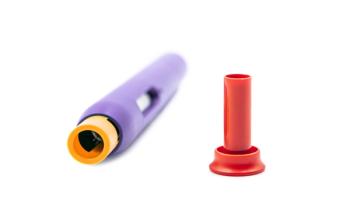
The author describes how to seize market opportunities while navigating the requirements of both drug therapies and delivery devices.
FDA is limiting the use of Janssen’s COVID-19 vaccine to certain individuals.
In this episode of Drug Digest, Pharmaceutical Technology editors, Felicity Thomas and Feliza Mirasol, examine the topic of emerging therapies in more detail, covering subjects such as the challenges of scale, the potential benefits of drug delivery innovation, importance of early analytical studies, the evolution of the regulatory landscape, and differences between regional regulatory requirements.
The two companies signed an exclusive collaboration agreement for the Aidaptus auto-injector.
In this episode of the Drug Solutions Podcast, Feliza Mirasol, Pharmaceutical Technology’s science editor, discusses technologies enabling biologics and emerging therapies manufacturing and development with Barry Holtz, PhD, chief scientific officer of Phylloceuticals, and Professor Yaakov Nahmias, founder and chief scientific officer, Tissue Dynamics and founder and president, Future Meat Technologies.

Inhalation formulations are complex, and empirical data are essential for realizing optimal solutions.

Advances in therapeutic modalities and an increase in molecular complexity have led to the need for an evolution in drug delivery approaches over the years.
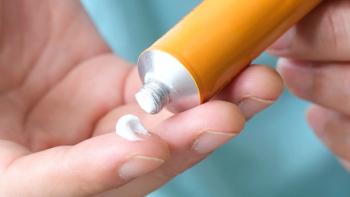
Ongoing advances in technology and modeling techniques are helping to align all the objectives of both drug manufacturers and patients.
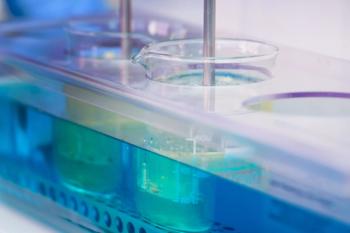
Recent trends in dissolution testing have led to increased use of data integrity solutions and more biorelevant testing techniques.

Partnering with an experienced service provider can help companies unlock the commercial potential of new therapeutic approaches.
Moderna has filed for emergency use authorization of its COVID-19 vaccine for use in young children six months to under six years of age.

What are the next steps for permanent authorization of COVID-19 vaccines, treatments, and diagnostics?
GeoVax has received a patent for its malaria vaccine from the US Patent and Trademark Office.
Pfizer and BioNTech have submitted an application for Emergency Use Authorization for a COVID-19 vaccine booster dose in young children.