


EMA has started its evaluation of further expanded use of Comirnaty in children aged between five years and 11 years old.
EMA has started its evaluation of further expanded use of Comirnaty in children aged between five years and 11 years old.
In this collaboration, Takeda will utilize Poseida's biodegradable DNA and RNA nanoparticle delivery technology and other proprietary genetic engineering platforms for the research and development of gene therapies.
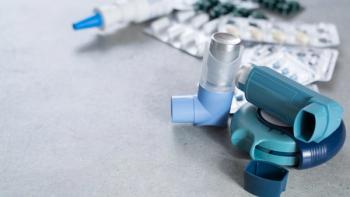
Experts share best practices in designing, manufacturing, and scaling up dry powder inhaler and metered dose inhaler drug–device combination products for inhalation drug delivery.
AstraZeneca reports that its combination antibody therapy, AZD7442, reduced chances of severe COVID-19 or death by as much as 67%.

Reformulation strategies are useful tools for more than just stretching out the potential return on investment for a product.
Novartis and Medicines for Malaria Venture have reported positive results from the Phase IIb study, evaluating a new non-artemisinin combination to treat uncomplicated malaria in children.

Alternatives to animal testing and in-vivo assays are occurring as a result of recent scientific advances.
Biosimilar approvals and the advance of biosimilar testing and production may lead to greater access to alternative therapies.
The organizers of Pharmapack Europe have released the results of its global drug delivery and packaging survey, demonstrating the continuation of the United States’ lead in innovation.
In an amendment to their existing contract manufacturing agreement, Celsian and Poly Pharm expand GEN-1 program collaboration to add clinical and commercial batches of investigational vaccine.
New data finds J&J COVID-19 vaccine and booster to provide increased protection against COVID-19.
The agency approved Byooviz (ranibizumab-nuna), a biosimilar to Lucentis (ranibizumab injection), for the treatment of several eye diseases.
The topline data from Pfizer and BioNTech’s trial suggests that a 10 µg vaccine is safe and effective among the 5 to 11 age group.
FDA advisors agreed unanimously on a more limited booster plan after rejecting Pfizer’s original request to authorize its third shot for everyone over age 16.
Moderna’s newest insights include an overall efficacy review, a study on breakthrough infections, and a study on long-term immunity.

EFSA’s evaluation of risk in food products raises implications for drug product formulations.

When designing and manufacturing a pMDI or DPI combination drug-delivery device, the commercial stage should be kept in mind from the beginning of development.
The White House announced a nearly $3 billion program to ramp up production of vaccines and their components.
Moderna announced a collaboration to develop a new mRNA therapeutic for Crigler-Najjar Syndrome Type 1 at no cost to patients.
Alternative materials, as well as supply-chain planning, are essential to ensure a reliable supply for parenteral drug packaging.

Consistency, robustness, and understanding of the API and controlled-release excipients are essential for successful drug dosing.
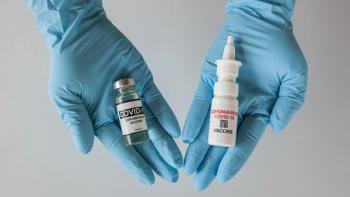
The intranasal route of administration is showing clinical promise, particularly for COVID-19, but there are multiple hurdles to overcome to ensure successful formulation.

The potential for okra gum as a polymer candidate for new oral drug formulations was evaluated.
Will FDA’s approval of Semglee create a surge in the development of interchangeable biosimilars?
The pH effect encountered with oral oncology medication can be overcome with amorphous solid dispersions.