




Pfizer has entered into a collaboration with Ginkgo Bioworks to discover novel RNA molecules across priority research areas.

Pfizer has entered into a collaboration with Ginkgo Bioworks to discover novel RNA molecules across priority research areas.

Dosage forms are being shaped by numerous factors, with patient-centricity continuing to be an important driver of decisions in development.
The European Commission has granted approval for Tyruko (natalizumab), a biosimilar developed by Polpharma Biologics for treating multiple sclerosis.
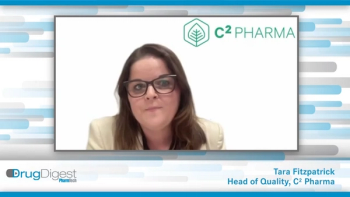
In this episode of Drug Digest, Pharmaceutical Technology’s European/Senior Editor, Felicity Thomas, discusses small-molecule APIs, excipients, and formulation advances, including a discussion about novel approaches and solutions to pediatric formulations and taste-masking, a rundown of the fundamental stages of gaining a certificate of suitability for APIs, and a deliberation on the biggest trends impacting the industry and key sessions to visit while at CPHI, with several key industry experts.
BenevolentAI will leverage its suite of AI chemistry design tools in combination with its fully equipped wet lab facility in Cambridge, UK, to deliver small molecule drug development candidates into the Merck pipeline, according to the press release.
The company is currently developing EVX-101 as an adjunctive treatment for MDD due to patients experiencing an inadequate response to first-line antidepressants such as selective serotonin reuptake inhibitors (SSRIs) or serotonin-norepinephrine reuptake inhibitors SNRIs.

According to a press release, the implications go to the extent that within the next 10 years, more than 50% of approved drugs will involve AI in their development and/or manufacturing.
It was noted that there was participation by multiple new investors including M&G plc, in addition to two of the largest US public pension plans and the existing investor, Rock Springs Capital. Further, the financing significantly adds to the $195 million previously raised by the company, according to the press release.
Seagen will be responsible for conjugating these degraders to antibodies to make DACs and advancing these DAC drug candidates through preclinical and clinical development and commercialization.
The results showed that PathoQuest’s proprietary NGS approach is an effective, more robust replacement to in vivo adventitious virus testing of cell substrates used in the production of biologics, like monoclonal antibodies, vaccines, cell, and gene therapies.
Optibrium announced on Aug. 31, 2023 the acquisition of BioPharmics to further expand the 3D drug design and modelling offering and to focus on research and development and application science.

Excipients should be treated equally when it comes to quality management, risk assessment, and testing.

Tumour-infiltrating lymphocyte (TIL) therapies offer a new route to target cancer.

Coprocessed excipients save time and cost while improving performance in a widening array of dosage forms.

European vaccine manufacturing is being boosted with high level investments.

WuXi XDC will provide end-to-end services to support Boostimmune’s discovery of novel bioconjugates.

With this agreement, Chiesi Global Rare Diseases will co-develop drug delivery systems with Aliada Therapeutics for large-molecule therapeutics that can cross the blood-brain barrier.
An mRNA conversation about the recent past, current hot topics, and probable future.

Experts discuss the promise of personalized cancer vaccines through the inherent nimbleness of mRNA platform.
SBS-518 is a first-in-class dual sigma receptor (SR) antagonist/dopamine transporter (DAT) inhibitor in development for the treatment of stimulant use disorder (StUD).

The biggest hurdle is developing palatable formulations that are efficacious and patient friendly.
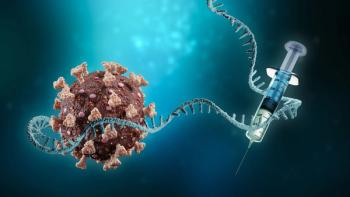
A comprehensive understanding of what makes mRNA vaccines tick is crucial in charting the future of the market.
In this episode, David Tisi and Reenal Gandhi provide expert insights into advances and innovations changing the drug dosage form landscape.
Teva Pharmaceuticals and Alvotech will expand their partnership for the development and commercialization of biosimilar candidates.
Janssen has received a positive opinion from the EMA for two novel bispecific antibodies, TALVEY (talquetamab) and TECVAYLI (teclistamab), which the company is developing to treat blood cancer.