
A New Jersey court upheld the validity of patent claims for Amgen’s anti-inflammatory blockbuster biologic, Enbrel (etanercept).
A New Jersey court upheld the validity of patent claims for Amgen’s anti-inflammatory blockbuster biologic, Enbrel (etanercept).
The new facility will manufacture biopharmaceutical products under cGMP conditions.
South Korea’s pharma/biotech space is projected to grow to $23.2 billion by 2022, and will likely attract foreign investment, according to a new market report by GlobalData.
Under an agreement, Colorcon will incorporate TruTag’s edible microtag technology in its coatings.

A design strategy can ensure conflicting properties are managed appropriately for multi-API controlled-release formulations.
Pharmaceutical Technology Europe
As vaccines gain prominence within pharma, there is an expectation that specialized CDMO services will provide opportunities.
Pharmaceutical Technology Europe
To help customers succeed, CDMOs have moved away from the ‘fee-for-service’ model to offer flexible, full-service partnerships.
Pharmaceutical Technology Europe
Complex and potent molecules demand greater technical and regulatory expertise to ensure safe handling.
Pharmaceutical Technology Europe
Glass vials have come a long way from mere commodities and are now considered an integral part of final drug product.
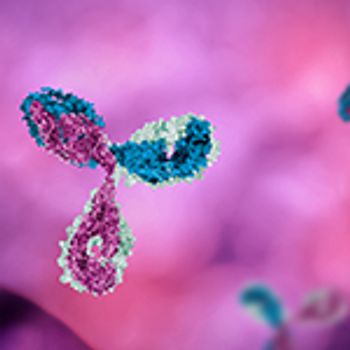
Protein characterization is a critical part of drug development, but as there are still limitations with available techniques, industry needs to look at technological advances to meet the specific requirements of complex molecule characterization.

Formulators of parenteral drugs must be cautious of specific considerations and challenges that arise during development and manufacture.
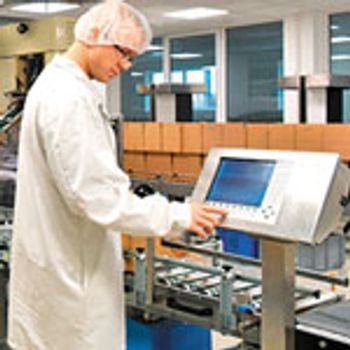
As patient-centered therapies and clinical trials become more important, innovation is providing more control and transparency in the way that pharmaceuticals are delivered.

Industry experts discuss the role of gene-editing techniques in regenerative medicine and cell-line development.
Biopharma industry faces production challenges as gene therapies move from clinical to commercialization.
Mass-produce cell and gene therapies presents the biopharma industry with a unique set of challenges.
Researchers in China are playing a role in advancing gene therapy development.
Neuraxpharm Group has announced it is launching its first products in the United Kingdom.
Iontas and Teva Pharmaceuticals have entered into an agreement for the application of technologies and know-how into the optimization of human antibodies to be used as biotherapeutics.
Cure Pharmaceutical secured a patent that lets the company load higher drug amounts to its proprietary drug delivery system, CUREfilm.
An agreement with Sanofi gives Catalent access to commercial spray drying facility in Haverhill, UK.
The Native Antigen Company has revealed its appointment of Biozol and Shanghai Bioleaf as its distributors in Germany, Switzerland, Austria, and China
The draft guidance provides industry with a guide for using the database to assist in the development of drug products.
FDA released draft guidance on using the USP pending monograph process in the drug application process.
AstraZeneca has revealed that the CHMP of the European Medicines Agency has given a positive opinion to adding a self-administration option for Fasenra (benralizumab).
New guidance documents clarify production standards and processes for developing interchangeable biologic drugs.