






Manufacturing
Latest News
Advertisement
Review of SUT Adoption in Biopharma Manufacturing
The evolution of therapeutic modalities drives the adoption of single-use technologies.

Why Are Pharmaceutical Companies Reluctant to Adopt Cloud Technologies?
Despite its understandable hesitancy, the pharma industry is facing a need for more widespread adoption of cloud-based solutions.

Automating the Future of Fill/Finish
Given the criticality of fill/finish processes, it is clear that automation is the next technological step.

Latest Videos






Shorts

0:24
The Most Expensive Unsolved Problem in Pharma
2 months ago
by
Megha Sinha(+1 more)

0:26
Why Traditional Pharma Supply Chains Fail Personalized Therapies
2 months ago
by
Jason Bock(+1 more)
0:24
The FDA's Surprising Role in Shaping Future Therapies
2 months ago
by
Jason Bock(+1 more)

0:27
Bottom-up vs Top-down AI Strategy
2 months ago
by
Richard Jaenisch(+2 more)

0:20
Stop Fixing Start Preventing
2 months ago
by
Yash Sabharwal(+1 more)

0:29
Don't See Gaps as Failures
2 months ago
by
Lauren Nolan(+1 more)
0:21
Is an AI Orchestrator Just a Retitle?
2 months ago
by
Megha Sinha(+1 more)
0:19
The Hidden Cost of Enterprise AI
2 months ago
by
Richard Jaenisch(+2 more)

0:23
The New Wave of Cold Chain Medicines
2 months ago
by
Brent Wilhelm(+1 more)
0:34
AI: From Productivity Tool to Active Participant
2 months ago
by
Megha Sinha(+1 more)
Advertisement
More News

PharmTech Europe's June 2026 issue reflects the convergence of compliance burden, cost pressure, analytical complexity, and patient access.

Kristin Ciriello Pothier, KPMG US, discusses why pharma dealmaking slowed in early 2026, but how AI partnerships, manufacturing acquisitions, and oncology are driving a second-half rebound.

AI governance, nitrosamine risks, and surging US manufacturing investment reshape quality systems, deals, and workforce needs.

US opens Section 301 probe into Germany's drug pricing, threatening tariffs that could disrupt API supply chains and reshape pharma manufacturing investment.

First generic of single-dose flu drug baloxavir marboxil approved by FDA ahead of 2026–2027 season, expanding antiviral access and manufacturing competition.

A comprehensive approach to long-term sustainability efforts in pharmaceutical manufacturing should prioritize simpler frameworks that curb costs, risks, and variability.
Kristin Ciriello Pothier, KPMG US, explains why supply chain resilience and platform technology diligence are reshaping biopharma M&A valuations globally.

Reducing Environmental Impact in Pharmaceutical Packaging Without Compromising Performance
ByDatwyler
Webcasts
Webinar Date/Time: Thu, Jul 16, 2026 11:00 AM EDT

Duloxetine was recalled over excess nitrosamine impurity, renewing scrutiny of process controls across generic drug manufacturing.
Karianne Gelinas, LVEDC, outlines workforce strategies to fill 850 technical roles ahead of Eli Lilly's major Lehigh Valley manufacturing investment.

Attention around pharmacovigilance transformation potential has tended to focus on automating discrete steps in the case-processing pipeline. End-to-end ICSR autonomy may enable near-instantaneous case processing so that current SUSAR targets become obsolete.
Kristin Ciriello Pothier, KPMG US, discusses biopharma dealmaking shifting toward strategic precision, with oncology, GLP-1s, and manufacturing complexity reshaping M&A valuations in 2026.
Lehigh Valley's deep manufacturing base, community college partnerships, and apprenticeship programs positioned the region to attract Eli Lilly's investment.

This week's headlines saw oncology investment; persistent pressure on supply chain resilience and drug availability; and the importance of operational readiness.

Tom Sellig, Adare, discusses 3D-printed tablets, US reshoring investment, FDA timeline pressures, and workforce development strategies driving CDMO growth.

GLP-1 / insulin demand is straining CDMO fill-finish capacity. This piece examines bottlenecks in automated pen injector assembly and strategies to optimize operations.
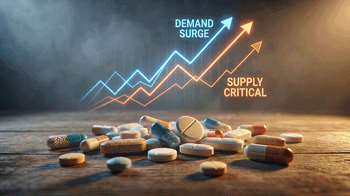
The standards organization’s annual drug shortages report finds drug shortages lasting longer and the number of discontinuations rising, but the number of shortages themselves have gone down.

Pharmaceutical suppliers face growing pressure to calculate product carbon footprints as customer requirements and global regulations tighten.

Regulatory reform, patient access, and supply chain security were 3 of the key themes showcased this week on PharmTech.com.
Tom Sellig, Adare Pharma Solutions, shares how the CDMO is positioning for growth amid US reshoring and oral dose innovation trends.
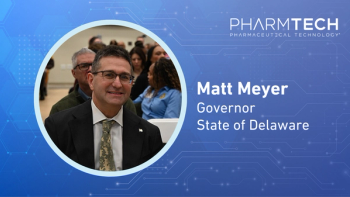
At CPHI Americas, Delaware governor Matt Meyer outlined the state's biopharma vision: fostering workforce talent, industry collaboration, and regulatory speed to market.

CMC teams can align with Q5A(R2)’s updated guidance to shorten testing timelines and strengthen assurance of participant safety.
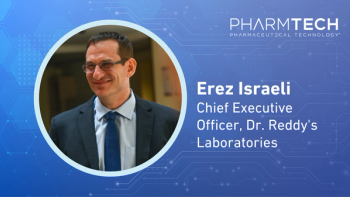
Erez Israeli, chief executive officer of Dr. Reddy's Laboratories, provides insight on the company’s generic version of semaglutide, which entered the Canadian market in May 2026.

FDA approves inhaled insulin Afrezza for children aged 6+, expanding pediatric diabetes care and highlighting inhaled biologics' manufacturing complexity.

This week's news and expert commentary shows that regulatory timelines are tightening, strategic capital is moving into new therapeutic categories, and long-standing operational gaps are demanding real solutions.
Advertisement
Advertisement