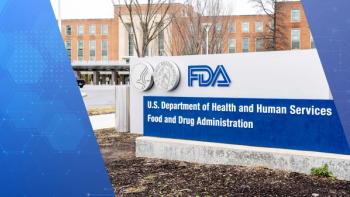
The deadline to comment on FDA's generative AI paper is Oct 19, 2026. We explain why professionals in pharma manufacturing should weigh in.
Asahi Kasei acquires Aicuris for €780M ($920M), adding anti-infective assets to its transplant and nephrology specialty pharmaceutical platform.
In a definitive agreement announced on February 26, 2026, Asahi Kasei will acquire the German-based biopharmaceutical firm Aicuris Anti-infective Cures AG for approximately €780 million ($920 Million).¹ The move represents a calculated effort to strengthen a global pharmaceutical platform by pivoting further into the treatment of severe infectious diseases. This signal suggests a continued industry focus on therapeutic areas where infection-related complications significantly impact patient outcomes in core specialties like transplantation and nephrology.
This acquisition is a component of a broader strategy to transition toward a more capital-efficient structure by prioritizing high-growth pharmaceutical sectors.¹ By integrating these new assets, Asahi Kasei aims to build a sustainable platform serving immunocompromised patients. Ken Shinomiya, head of healthcare sector, Asahi Kasei, noted the significance of this alignment, in a press release,¹ “This acquisition strengthens our position across interconnected therapeutic areas, including autoimmune diseases, transplantation, kidney disease, and severe infectious diseases. It enhances our pipeline and reinforces our strategy to build a leading global specialty pharmaceutical company.” This consolidation of resources across adjacent clinical areas is intended to drive operating efficiency and accelerate the development of a pipeline that targets significant clinical gaps.
The technical focus of the acquired assets highlights emerging modalities and novel mechanisms of action that are of high interest to manufacturing and development professionals.¹ Specifically, pritelivir, a helicase-primase inhibitor for herpes simplex virus (HSV), has completed Phase III trials with a target for FDA approval in 2026. The clinical importance of treating HSV infection in immunocompromised patients aligns with established infrastructure in specialized hospital settings. Additionally, the development of AIC468, an antisense oligonucleotide (ASO) targeting BK virus (BKV) in kidney transplant patients, demonstrates an expansion into genetic-based therapeutics for post-transplant complications. These assets, combined with existing royalty income from the marketed cytomegalovirus (CMV) inhibitor prevymis, provide a layered growth profile. Managing the prevention of CMV infection alongside new treatments for HSV and BKV allows for a more robust infectious disease portfolio.
Shinomiya further explained the rationale behind the timing of the deal,¹ “Given the strategic alignment of this asset and the opportunity to expand within an area where we already have an established presence, we acted in a nimble and disciplined manner to advance our long-term growth objectives. This transaction accords with our capital allocation framework and supports our objective of achieving net sales of ¥300 billion in Pharmaceuticals with an operating margin of 15% or higher by fiscal 2030.” The transaction is expected to close in the first quarter of fiscal 2026, with a positive contribution to operating income anticipated starting in fiscal 2028. The expansion into specialized anti-infectives necessitates a focus on diverse modalities—from small molecule oral drugs to more complex ASO technologies—while leveraging existing clinical and regulatory infrastructure to meet long-term earnings targets.
Beyond direct acquisitions, the pharmaceutical industry increasingly utilizes targeted partnerships to optimize product lifecycles across diverse regulatory environments.² On February 19th, Asahi Kasei announced a collaboration with MAIA Pharmaceuticals to bring the osteoporosis treatment teribone to the US, which exemplifies this trend. This highlights a strategy where proprietary assets are out-licensed to partners with specific regional expertise in clinical and regulatory navigation. This approach allows organizations to maximize the global value of proven therapies while focusing internal resources on priority sectors like anti-infectives. By leveraging external infrastructure for established products, developers can maintain a lean operational profile while expanding their international footprint.
These moves are part of a broader management plan called Trailblaze Together, which prioritizes healthcare as a core growth driver.² By selecting partners for their specialized commercialization capabilities, companies can more efficiently address unmet medical needs in large patient populations, such as the millions of individuals at risk for osteoporotic fractures. The industry is placing newfound importance on developing flexible, high-quality production pipelines that can support varied international markets through collaborative frameworks rather than traditional, isolated expansion models. This evolution suggests that the future of the industry lies in a hybrid approach: acquiring innovative early-stage assets while strategically out-licensing mature products to regional experts.
References