AI accountability, faster FDA pathways, rare disease CMC review, and next-gen GLP-1 formulation lead this week’s PharmTech roundup.
Kristin Ciriello Pothier, KPMG US, discusses deal discipline, manufacturing diligence, and why oncology and GLP-1s are driving biopharma M&A activity in 2026.
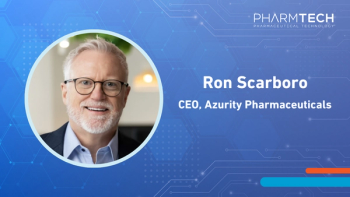
The pace of life sciences M&A has slowed in 2026, but Kristin Ciriello Pothier, life sciences sector leader, KPMG US, says lower deal volume doesn't mean lower value. It means companies are finally doing the work.
Watch the 3-part video interview with Pothier:
Part 1:
Part 2:
Part 3:
Pothier: We've stopped counting deals, and we've started making them count. Volume has continued to come down, but the assets in this space are very precious. Every company we're working with is diligencing each asset to determine whether it will be a prime in their portfolio, not just another layer on top of an already complex biopharma landscape. What we're also seeing is more pricing discipline: companies are paying what the data suggests is fair, not bloating deal values. It's a very disciplined approach to life sciences in the first half of this year.
Oncology continues to be very hot. We just came back from ASCO 2026 in Chicago, and the excitement around combination therapies and modality complexity was extraordinary, the largest pharma companies each brought 50 to 100 people to work through assets and IP. Beyond oncology, we're seeing tremendous activity in chronic disease, particularly around GLP-1s [glucagon-like peptide-1] and everything surrounding them. GLP-1s are no longer just about diabetes or obesity management, their effects are expanding into cardiovascular health, oncology support, and holistic patient care. That broader view of what a GLP-1 ecosystem looks like is generating significant deal interest.
For cell and gene therapy, manufacturing diligence is more intensive than for almost any other asset class, and the reason is straightforward, you cannot ship cell and gene therapy from one part of the globe to the other. It must follow a corridor-based strategy, dedicated strategies for the United States, the European Union, and in the Asia-Pacific region. So when acquirers are looking at these assets, one of the first questions is whether the manufacturing plants are included in the deal. We're seeing situations where buyers want those facilities and sellers won't give them up, and when that happens, the deal valuation changes completely. The acquirer must factor in where and how they'll manufacture in each region, and what it will cost to upskill or upscale a facility in any geography they're missing.
What we're not seeing is a knee-jerk reaction. Rather than immediately committing to building a plant in the Americas or fully reshoring, companies are having very careful conversations about whether regional manufacturing investment pencils out, or whether the smarter move is to absorb tariff costs and adjust their P&L accordingly. The companies we work with are running rigorous analyses rather than making reactive decisions. That's a sign of maturity in how our sector handles geopolitical and trade pressures.
We see 3 levers. The first is artificial intelligence (AI) and data, not through large M&A, but through partnerships and alliances, because the best-in-class AI capability isn't being built inside life sciences companies. The second is manufacturing sites and contract manufacturing acquisitions, particularly as platform technology complexity increases in oncology and other areas. And the third is therapeutic area M&A, anchored by oncology assets and the GLP-1 ecosystem, including adjacent services, diagnostics, consumer health, and functional nutrition. As earlier deals from this year come to fruition and unlock confidence, we expect both deal volume and deal value to rise as we move into 2027.