
Sharp increases European injectable assembly and secondary packaging capacity to support the rising demand for pre-filled syringes and autoinjectors.

Associate Editorial Director
Sharp increases European injectable assembly and secondary packaging capacity to support the rising demand for pre-filled syringes and autoinjectors.

The week’s coverage discusses leveraging agentic AI, sustainability, and resilient supply chains to transform global drug development and safety.

FDA and EMA have issued 10 guiding principles for AI in drug development with the intended goal of ensuring safety and innovation across the life cycle of a drug.

Dycem marks 60 years of innovation, evolving from polymer science discovery to a global leader in contamination control across regulated industries.

Survey results show a shift in pharma industry sentiment from optimism to caution as rising insecurity offsets high satisfaction and intellectual engagement.

Pharma industry experts indicate that strategy in 2026 is shifting to agentic AI, sustainable efficiency, and resilient supply chains to manage tariffs, regulations, and digitalization.

To combat growth and pricing pressures, companies are auditing their supply chains and API material providers.
Beena Wood, Qinecsa, outlines how proactive PV, translational safety, AI foundations, and ecosystem collaboration will reshape drug safety in 2026.
Beena Wood, Qinecsa, explains how AI could revolutionize pharmacovigilance, if data, trust, skills, and organizational barriers are addressed first.
Beena Wood, Qinecsa, saw 2025 as an AI superposition in which pharmacovigilence needed better data foundations and regulation.
Saharsh Davuluri, Neuland Labs, urges API and peptide automation by 2026 to match modern biologics standards.

Mike Stenberg, LGM Pharma, explains how faster FDA approvals under CNPV shift bottlenecks to production, requiring onshoring and earlier supply chain risk.
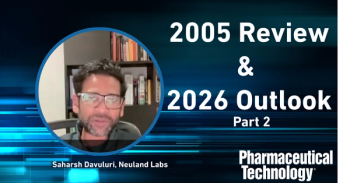
Saharsh Davuluri, Neuland Labs, discusses the move from labor to knowledge arbitrage for API manufacturers, using AI tools to empower scientists in process development.
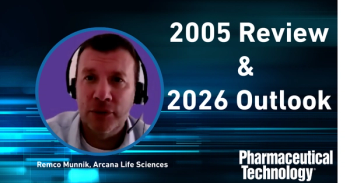
Remco Munnik, Arcana, details pharma's shift to data-first operations, AI adoption, and robust data stewardship.
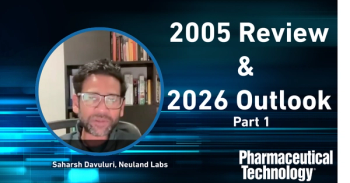
Saharsh Davuluri, Neuland Labs, covers M&A blending, geopolitical shifts, and supply chain de-risking in this look back at pharma in 2025.
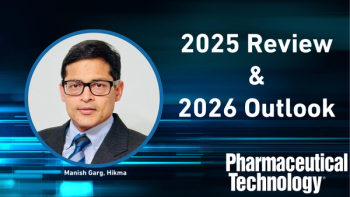
Manish Garg, Hikma, reflects on how AI, resilient supply chains, and smart manufacturing are reshaping pharma today and beyond.
2025 pharma disruption hinged on three themes: political pricing/tariffs, tough quality scrutiny (FDA warnings), and innovation vs. changing standards (patient focus.
Henrik Johanning, Epista Life Sciences, takes a European perspective on what will be required of pharma developers and manufacturers in 2026.

The top 10 PharmTech videos of the year cover advanced therapies, high-concentration biologics, major mergers and acquisitions, AI use, and regulatory challenges.
US pharma tariffs in 2025 forced companies to invest billions in reshoring manufacturing, mitigating rising costs, supply chain strain, and R&D delays.

Our top 10 articles of 2025 covered pharma tariffs, MFN deals, FDA leadership changes, 483 quality issues, and a soar in MASH competition.

Mike Stenberg, LGM Pharma, outlines how GLP-1s, AI, and 505(b)(2) delivery shifts are driving pharmaceutical innovation.
Mike Stenberg, LGM Pharma, notes rising FDA audits in China/India and supply chain risks forcing deeper vetting and stock.
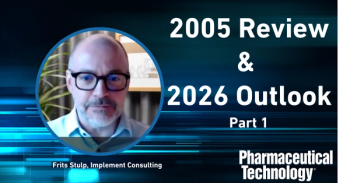
Frits Stulp, Implement Consulting, says AI and global collaboration are key to addressing patent cliffs and accelerating regulation.

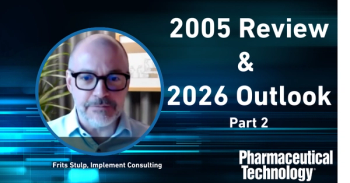
Frits Stulp, Implement Consulting, discusses the exciting potential of AI and “trusted regulatory spaces” for drug discovery and delivery.
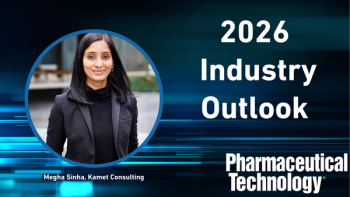
Megha Sinha, Kamet Consulting, explains how pharma can adopt AI orchestration and living decision engines to mitigate geopolitical risk and boost speed-to-market.

FDA approve Cytokinetics’ Myqorzo for oHCM. The required REMS for heart failure risk aligns with key regulatory and safety foci.
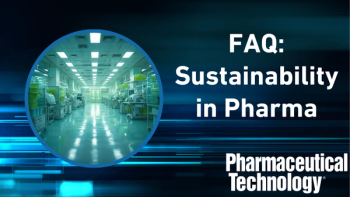
With pharma sustainability regulations in most of the world getting stricter and partners requiring sustainable practices, it’s important for industry professionals to know the basics.
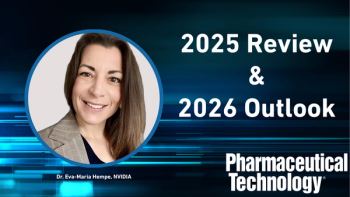
Dr. Eva-Maria Hempe, NVIDIA, looks back at 2025 and ahead to 2026, noting that AI accelerates pharma overall, particularly in manufacturing and business operations.