




Sandbox AQ’s molecular simulation division is collaborating with companies like AstraZeneca and Sanofi to develop novel treatments for various disorders.

There is a great need for sensitive, precise, and easily accessible analytical detection techniques for protein sequencing.
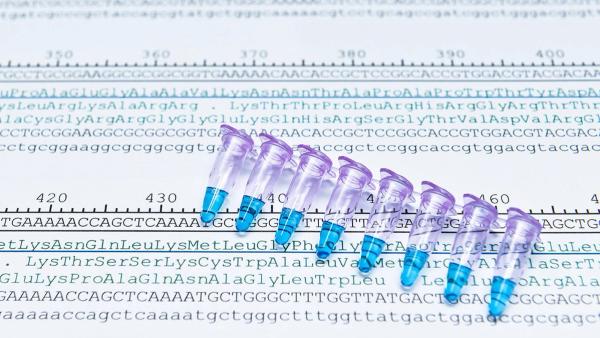
The emergence of mRNA vaccines and cell and gene therapies has pushed innovation in analytical methods.
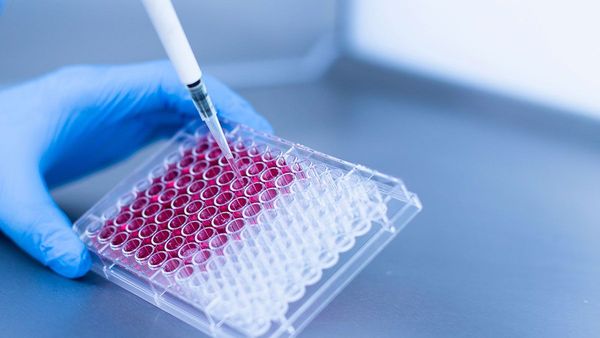
Effective analytics will eliminate failures, deviations, and non-conformances.

Sandbox AQ’s molecular simulation division is collaborating with companies like AstraZeneca and Sanofi to develop novel treatments for various disorders.

Charles River’s off-the-shelf lentiviral vector packaging plasmids are intended for use with cell and gene therapies.

Sartorius and Waters will collaborate to develop integrated analytical solutions for downstream biomanufacturing.
A holistic data integrity approach can help one avoid missteps in data integrity.
Nanoparticles are increasingly being used to overcome low solubility and poor permeability.
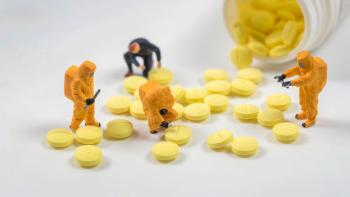
All aspects of a drug’s lifecycle should be considered when evaluating risk assessment for elemental impurities.

ChargePoint Technology and Famat Sampling’s combination technology is designed to allow for product sampling during the course of production.

Waters Corporation expected to boost growth in bioanalytical characterization for new modalities with acquisition of Wyatt Technology.

The Agilent 8697 Headspace Sampler-XL Tray has a 120-vial capacity.

These models are useful in predicting whether an unknown substance of abuse can permeate the BBB to produce effects predicted by the Public Health Assessment via Structural Evaluation (PHASE) approach.
E&L analytical testing methods can be determined through pointed consideration of the differences small- and large-molecule drug products.

Nanoparticles are becoming more prevalent to overcome low solubility and poor permeability.

This paper demonstrates how assay data sets of a formulated liquid product, drug substance, and an impurity, obtained from combined accuracy-precision studies, are evaluated to calculate statistical intervals (prediction and tolerance intervals) and to graphically display the total analytical error (TAE) to account for the systematic and random errors.
Bob Girton, partner at Edgewater, discusses best practices for how pharma manufactures should incorporate sustainability into their operations.

Lipids aren’t the only important ingredients influencing stability and in vivo performance.

This article reviews a range of techniques available for separative analysis of mRNA therapeutics, their associated impurities, and delivery vehicles.

Considerable efforts have been made over the years to resolve the key issues of stability and delivery of RNA-based therapeutics.
Monil Malhotra, vice-president of Industrial Software at Emerson, discusses the growing demand for software solutions in the pharma industry.

Ginkgo Bioworks has acquired StrideBio's AAV capsid discovery and engineering platform and has formed a partnership with WARF for development of next-gen cell therapies.
The acquisition of Cell Systems will bolster AnaBios’ portfolio of human tissue and cells for use in drug discovery.
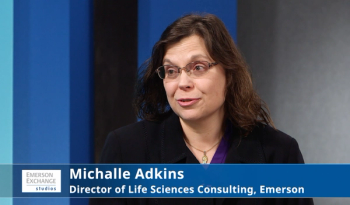
Michalle Adkins, director of Life Sciences Consulting at Emerson, discusses the structure of manufacturing organizations and how novel technologies may play a role in operations.
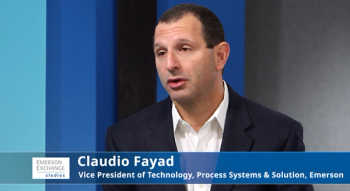
Claudio Fayad, VP of Technology, Process Systems, and Solutions discusses the intersection of automation and data security in the pharma industry.
Mass spectrometric techniques are providing insights in critical RNA-based therapeutic areas.

Change management is central to the evolution of quality control laboratories, but what factors can maximize patient outcomes?

Considering the differences between small- and large-molecule drug products can help determine analytical testing methods for E&L.