



Analytics
Latest News
Advertisement
Biologics Quality Control: The Growing Need for Accessible Proteomics
There is a great need for sensitive, precise, and easily accessible analytical detection techniques for protein sequencing.
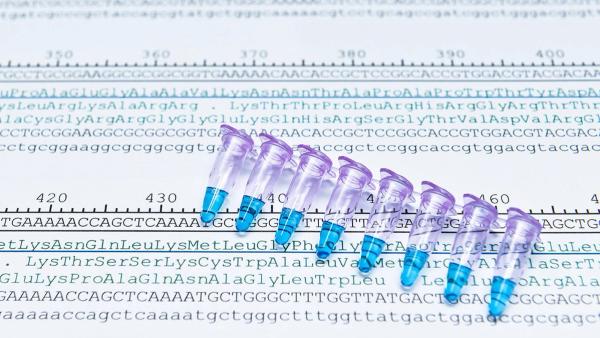
Emerging Therapies Drive Analytical Advancements
The emergence of mRNA vaccines and cell and gene therapies has pushed innovation in analytical methods.
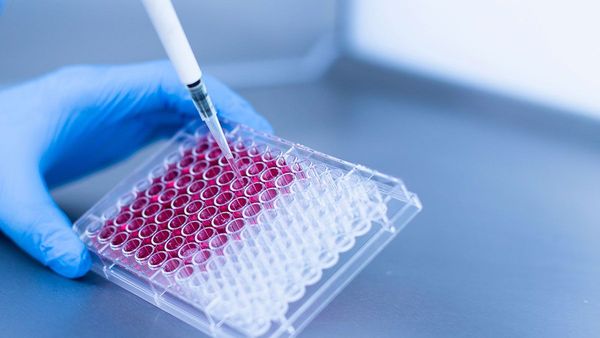
Analyzing Exabytes
Effective analytics will eliminate failures, deviations, and non-conformances.

Latest Videos





Shorts

0:53
Why Will Two Labs Get Different Results for the Same Extractable Study
a year ago
by
Susan Haigney

0:51
Why Trying to Cut Corners on Leachable Studies Backfires
a year ago
by
Susan Haigney

0:47
How Do You Quantify Extractables?
a year ago
by
Susan Haigney

0:48
Why Misidentifying Compounds in Testing Can Be a Disaster
a year ago
by
Susan Haigney
Advertisement
More News

This article highlights how quality control microbiology is evolving into a proactive, integrated component of modern contamination control strategies across the biopharmaceutical lifecycle.

The author discusses analytical techniques for cleaning and disinfection, clean room operation, packaging component preparation, water-for-injection production, sterile product preparation, and aseptic filling, stoppering, and sealing.
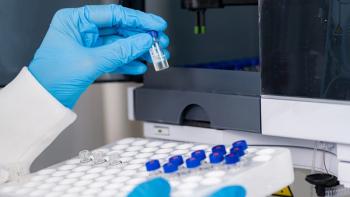
Ensuring quality, sterility, and regulatory compliance are essential when choosing analytical methods.

The author presents lessons from the front lines of oncology, rare disease, and cell and gene therapy submissions.

Quality, stability, sustainability, and the increased and thoughtful integration of artificial intelligence are foremost in the minds of those on the leading edge of testing trends.

Pharmaceutical Technology® spoke with Dr. Mark Arnold, owner and principal, Bioanalytical Solution Integration, ahead of AAPS PharmSci 360 to find out how bioanalysis enhances bio/pharmaceutical drug development.

Artificial intelligence and machine learning are anticipated to boost success rates.

Artificial intelligence, machine learning, and novel instruments are helping drug developers evaluate complex data from bioanalytical studies.

In the conclusion of this three-part series, the author explores the potential use of agentic AI in pharmaceutical R&D.
In this continuation of a three-part series, the author explores the potential use of agentic AI in pharmaceutical R&D.

Advances in digital technologies offer effective data handling for bio/pharma manufacturing.
In a three-part series, the author explores the potential use of agentic AI in pharmaceutical R&D.

Bothe data integrity and quality of data are critical for drug discovery, manufacturing efficiency, regulatory compliance, and patient safety.

The laboratory services provider is responding to growing demand for packaging and microbiological testing by expanding its laboratory space at its Wiesbaden, Germany, facility.
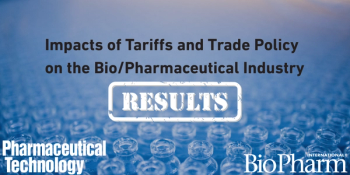
Survey responses indicate that bio/pharma faces tariff-driven rising costs and supply strain, with firms aiming to boost compliance and diversification and seeking stable trade and R&D support.

The scaled adoption of cell and gene therapies demands a new era of agile, precise, and efficient quality control methods. Manufacturers and diagnostic partners must collaborate to create innovative, compliant testing strategies that preserve product integrity, meet tight timelines, and deliver life-saving treatments faster.

The company presented new data from its Alzheimer’s disease research efforts across its diagnostics and pharmaceutical portfolios at this year’s AAIC.

Help us get a better picture of how new tariffs and trade policy have impacted you and your organization.
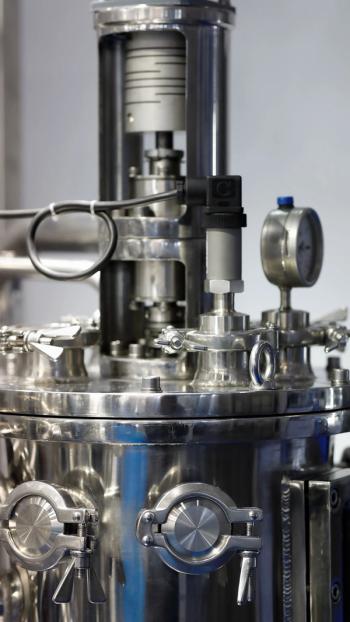
The authors performed interference and enhancement testing using a formulated alkaline and acid cleaner, as well as common biopharmaceutical process residues.

EMA is phasing out animal testing and is asking pharmaceutical companies to use new approach methodologies.

Artificial intelligence and machine learning can help identify complex patterns.

ICH Q6B provides expectations and a clear framework for the structural characterization of biopharmaceutical products.

This article explores the impact of test volume, microbial distribution, and dilution errors on bioburden testing variability. It presents statistical approaches to estimate percentage error and discusses strategies to optimize microbial enumeration techniques in biopharmaceutical quality control.

The shift toward personalized medicines poses new challenges in cleanroom protocols.

The authors examine the risks of extractables and leachables, and present solutions that emphasize the importance of a strategic, multi-prong approach.
Advertisement
Advertisement
Trending on Pharmaceutical Technology
1
Formulation and Evaluation of a Sustainable Analgesic Cream Utilizing Renewable Bio-Based Ingredients and Green Chemistry Design Principles
2
Nitrosamine Problems and Industry Solutions: PharmTech Explained
3
OpenAI Bets on Accelerating Drug Development Timelines With Orchestra Bio
4
AAPS PharmSci 360 2026: System Suitability Standards in E&L Testing
5