
Sferalp will use Fluid Air’s PolarDry technology for powder processing.
There is a great need for sensitive, precise, and easily accessible analytical detection techniques for protein sequencing.
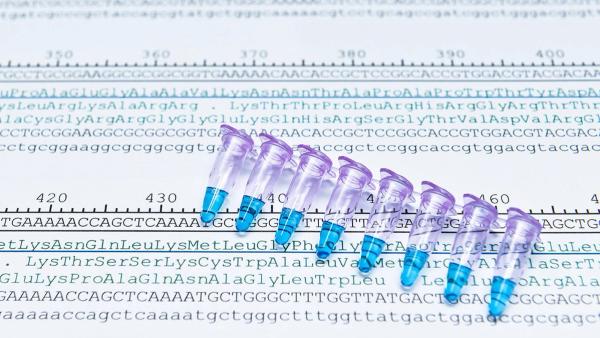
The emergence of mRNA vaccines and cell and gene therapies has pushed innovation in analytical methods.
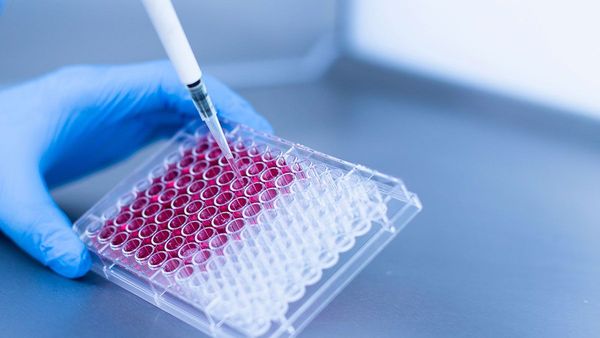
Effective analytics will eliminate failures, deviations, and non-conformances.

Sferalp will use Fluid Air’s PolarDry technology for powder processing.
908 Devices and CPI have formed a collaboration to optimize cell culture media to allow for improved process control.

In this episode of Drug Digest, Pharmaceutical Technology editors, Felicity Thomas and Feliza Mirasol, examine the topic of emerging therapies in more detail, covering subjects such as the challenges of scale, the potential benefits of drug delivery innovation, importance of early analytical studies, the evolution of the regulatory landscape, and differences between regional regulatory requirements.
The “cloud lab” is a virtual laboratory setting that can enable scientists to more quickly advance research.
It is vital to consider optimal cleaning and disinfection practices when operating a cleanroom.

Using more exacting analytical tools can give a clearer assessment of gene-editing outcomes.

Digital maintenance solutions can help visualize the value and key activities provided by the equipment vendor from inception to utilization.

This article provides best practice to avoid errors in weighing by difference caused by buoyancy and drift.
Recent trends in dissolution testing have led to increased use of data integrity solutions and more biorelevant testing techniques.
Fresh insight is instrumental in the discussion of novel analytics.
Bio-Rad Laboratories introduces three new fluorescent dyes under the StarBright product range to support multicolor flow cytometry panels.
A new range of five instruments for ultra-low-volume liquid dispensing for microarray and microfluidics applications, Mercury, has been introduced by Arrayjet.
CN Bio’s PhysioMimix “in-a-box” reagent kit is designed to harness liver-on-a-chip technology to improve accuracy and efficiency in drug discovery.
PerkinElmer’s HTRF and AlphaLISA assay kits are designed to detect and quantify CHO host cell protein impurities.
The Thermo Scientific Ramina Process Analyzer is designed with user ease at the forefront.
The challenges of conducting protein characterization can be overcome through the use of technologies that empower scientists in their analytical work.
Standardization is needed in CAR-T cell therapy development due to its inherent complexity.

The author introduces a practical approach to determining the best estimate of probability for passing multiple stage dissolution tests.
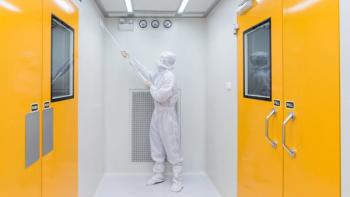
Effective cleaning and disinfection along with contamination controls are imperative when operating and utilizing a cleanroom.
Thermo Fisher Scientific’s new Gibco CTS Xenon Electroporation System aims to provide easier scale up for cell therapies, from clinical development to commercial manufacturing.
Under the two-year task order, ATCC will continue to support the DCEG MEAS program in receiving, processing, storing, analyzing, and distributing clinical specimens from different cancer types.

Any improper validation of methods is likely to result in regulatory agency deficiencies that range in degree of severity.
ProteoGenix’s new XtenCHO Transient Expression can achieve up to ten times higher yields than market-leading CHO systems.

The importance of getting buy-in from regulatory authorities early in the development process is critical in order to establish meaningful specifications.
Researchers at McGill University have made advancements with a novel method for growing synthetic bone tissue.