


Poor solubility remains a big issue for drug development and, as such, is driving innovation in approaches and use of novel technologies to help overcome the associated challenges.
In this episode of the Drug Solutions podcast, Chris Spivey, editorial director, and Meg Rivers, senior editor, interview experts on up-and-coming 2022 trends in the bio/pharma industry.
Poor solubility remains a big issue for drug development and, as such, is driving innovation in approaches and use of novel technologies to help overcome the associated challenges.

There is need for training personnel in various analytical skill sets for biologic drug substance testing.

Increased patient-centricity and alternative dosage forms require careful consideration when selecting the best taste-masking approach.

Polymeric amorphous solid dispersions are the most commonly used technology, but amorphous APIs remain inherently unstable.

EMA has fully validated the marketing authorization application for Atara Biotherapeutics’ off-the-shelf allogeneic T-cell therapy, tab-cel (tabelecleucel), with an approval decision expected in 2022.
Chinook Therapeutics has formed a 50/50 joint venture with investors to develop kidney disease therapies in China.
BeiGene has acquired property in Hopewell, NJ to build a new manufacturing site and clinical R&D center for advanced new medicines.
Samsung Biologics, GreenLight Biosciences, and Environmental Impact Acquisition Corp. have partnered to advance GreenLight’s mRNA COVID-19 vaccine candidate.
Secarna Pharmaceuticals and Achilles Therapeutics have entered into an agreement to optimize the development of T cell therapies in Achilles’ pipeline.
CGT Catapult and Deep Science Ventures have partnered to encourage innovative approaches to overcoming barriers in delivering advance therapies to patients.
Under the expanded agreement with Agios, Centogene will provide global clinical trial support for thalassemia and sickle cell diseases.
Gernot Warnke, Head of R&D, JRS Pharma, spoke about excipients and how these relate to feeding in batch and continuous manufacturing.
Part 2—Industry experts from MilliporeSigma, Lonza, Astrea Bioseparations, and Sartorius provide insight and examples about solving critical challenges in both analytics and process development for emerging therapies.
Part 1—Industry experts from MilliporeSigma, Lonza, Astrea Bioseparations, and Sartorius discuss key issues affecting the development of emerging biotherapies.
The researchers will use 3D printing to design novel flow reactors and static mixers.
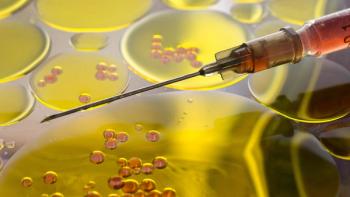
SEDDS and SMEDDS improve solubility and permeability while expanding efficacy and applicability.
Spectrum Chemical scientists give a shout-out to 10 chemicals impacting quality of life in conjunction with National Chemistry Week.

Advanced powder testing is a useful tool to differentiate materials and optimize the supply chain.

Navigating a complex global regulatory landscape involves upfront research into the expectations of the different regulatory bodies, thorough documentation of every step of the API manufacturing process, and good communication.
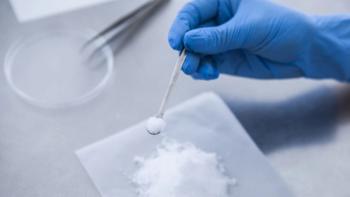
Between dosage form versatility, product stability, lack of storage restrictions or need to refrigerate, and an easier means of purification, small-molecule APIs present an appealing market niche.

Drug makers are going beyond continuous improvement and green chemistry to increase the sustainability of small-molecule manufacturing.
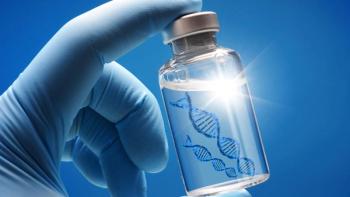
Almost half of pharmaceutical industry profits continue to come from biopharmaceuticals.
A new program will test the safety and suitability of new inactive ingredients to encourage the accelerated adoption of FDA-accepted excipients in drug development.
AstraZeneca will establish an API manufacturing facility near Dublin, Ireland.

Consistency, robustness, and understanding of the API and controlled-release excipients are essential for successful drug dosing.