


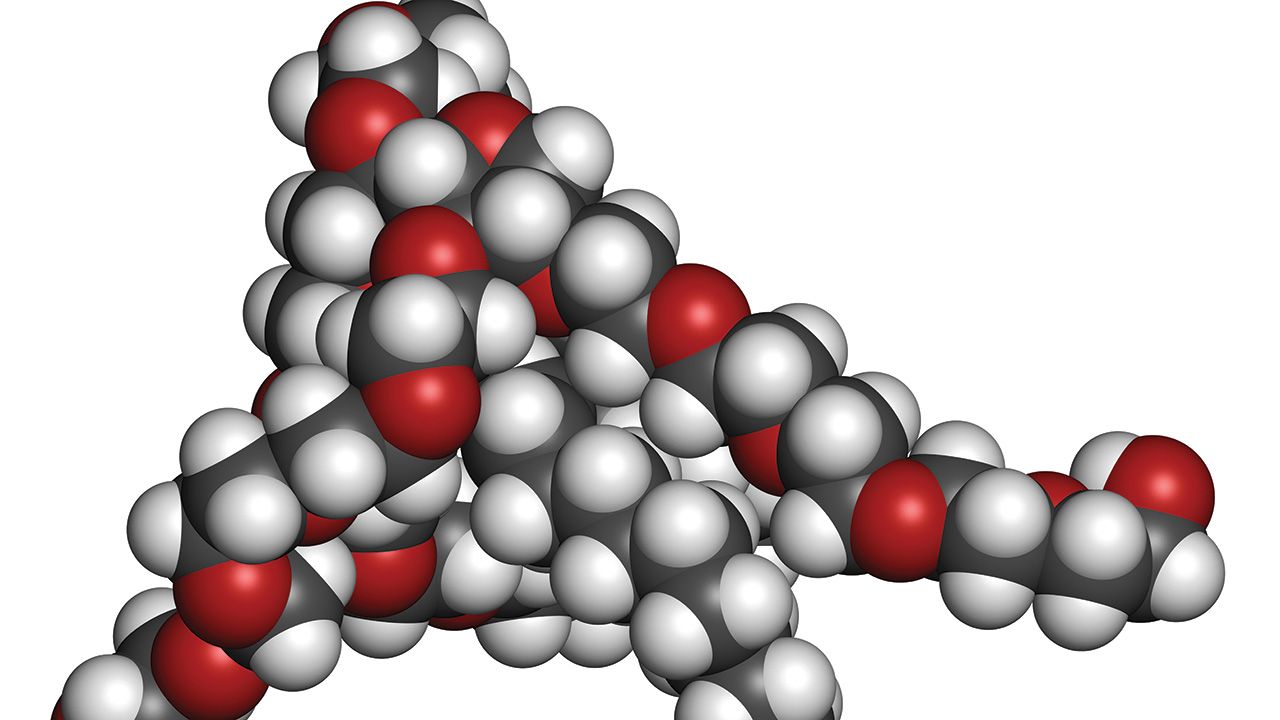


FDA granted fast track designation to nipocalimab, which J&J is developing for helping alloimmunized pregnant adults treat FNAIT, a rare disease that poses risk to the fetus or newborn.
FDA granted fast track designation to nipocalimab, which J&J is developing for helping alloimmunized pregnant adults treat FNAIT, a rare disease that poses risk to the fetus or newborn.
FDA has approved AstraZeneca's Ultomiris, marking the first and only long-acting C5 complement inhibitor for patients with NMOSD.

Mapp Biopharmaceutical will use ProBioGen’s GlymaxX technology for the development of an afucosylated antibody against Marburg virus infection
EMA has validated two MAAs submitted by AstraZeneca and Daiichi Sankyo for datopotamab deruxtecan in two types of cancer.

Johnson & Johnson’s $2 billion acquisition of Ambrx boosts its pipeline of next-generation ADCs for cancer treatment.
Under a global license and collaboration agreement, AbbVie and OSE Immunotherapeutics will aim to develop OSE-230, a mAb for treating chronic inflammation.
Nona Biosciences and Boostimmune will collaborate to develop ADCs against novel targets using Nona’s proprietary platform technology.

Under the new partnership, Samsung Biologics will develop and manufacture an antibody for a LegoChem Biosciences ADC candidate.

Continuous manufacturing and a quality-by-design development approach are a natural fit.

The final guidance provides specific recommendations for CMC, pharmacology, toxicology, and clinical study design for CAR-T cell products.
In this exclusive Drug Digest video interview, Felicity Thomas, Europe/senior editor, Pharmaceutical Technology Group, interviews an esteemed panel of experts from IPEC Americas about excipient grades.
In this episode of the Drug Solutions Podcast, industry experts give an overview of the biosimilars market and discuss factors affecting not only their manufacture, but their upstake in the market as well.
Through the acquisition of Harpoon Therapeutics, Merck will gain an investigational delta-like ligand 3-targeting T-cell engager under development for cancer treatment.
In a deal worth up to $1.4 billion, GSK aims to acquire Aiolos Bio and gain an expanded pipeline of biologic-based respiratory therapeutic candidates.
Under the collaboration, Boehringer Ingelheim and Ribo will develop RNA-based therapeutics to treat NASH/MASH.
AstraZeneca’s acquisition of Gracell includes a clinical-stage autologous cell therapy targeting hematologic malignancies and autoimmune diseases and a proprietary manufacturing platform.
Buffers, stabilizers, and cryoprotectants play major roles in cell therapy formulations.
Bristol Myers Squibb and SystImmune plan to co-develop and co-commercialize lead ADC candidate for cancer treatment in US.
Exagamglogene autotemcel seen as synechdoche.
Under this multi-year collaboration, Genentech and NVIDIA will use AI to optimize and accelerate each company’s platforms to discover and develop innovative therapeutics.
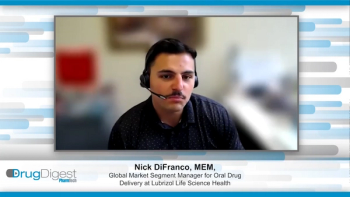
In this episode of Drug Digest, Pharmaceutical Technology’s European/Senior Editor, Felicity Thomas, chats about the biggest trends impacting oral and topical drug delivery and how these trends are impacting the excipient sector with Nick DiFranco and Ashley Rezak from Lubrizol Life Science Health.
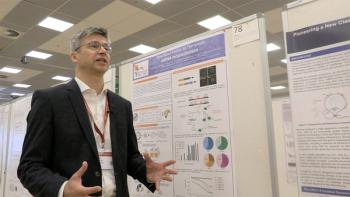
In part two of an interview with Thomas Langenickel, MD, chief medical officer at Ethris, Langenickel highlights the challenges in developing mRNA therapeutics for pulmonary diseases.
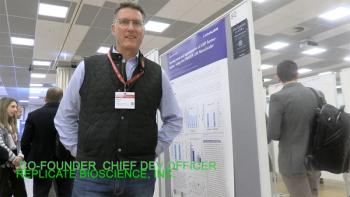
Andy Geall, co-founder and chief development officer at Replicate Bioscience continues the discussion on the development history of mRNA therapeutics.
Twist Bioscience now offers its Express Genes rapid gene synthesis service at its Wilsonville, Ore., manufacturing facility.
Novartis and Legend Biotech seek to advance certain CAR-T cell therapy candidates targeting Delta-like ligand protein 3.