
The Center for iPS Cell Research and Application Foundation and the Cell and Gene Therapy Catapult have announced the launch of a new collaborative research project that will focus on induced pluripotent stem cell characterization.
Accurately targeted immunotherapies through reliable neoantigen recognition enable personalized medicine development.
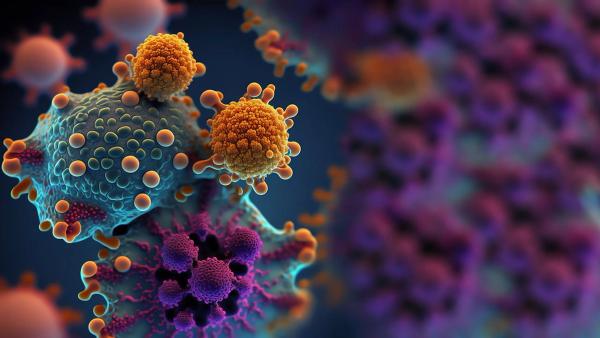
Activation and expansion are essential for success in both autologous and allogeneic therapies.
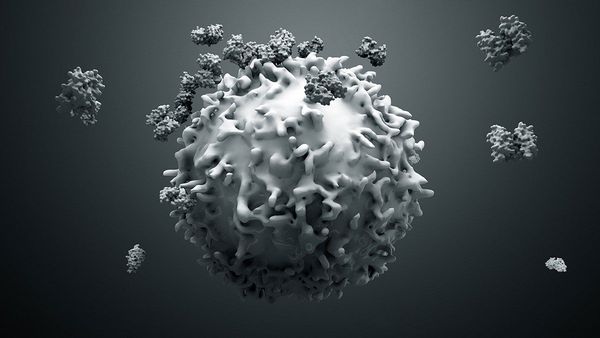
Continuous manufacturing and a quality-by-design development approach are a natural fit.

The Center for iPS Cell Research and Application Foundation and the Cell and Gene Therapy Catapult have announced the launch of a new collaborative research project that will focus on induced pluripotent stem cell characterization.
Santen Pharmaceutical has concluded a licensing agreement with jCyte for the development, registration, and commercialization rights to jCell, an investigational retinitis pigmentosa therapy, in Japan, Asia, and Europe.
Boehringer Ingelheim will use the partnership to reveal novel insights into the complexities of various inflammatory diseases, which opens the potential for a clearer understanding of potential candidate biomarkers.
Trial begins in the US for the Pfizer-BioNTech mRNA COVID-19 vaccine; manufacturing plans announced.
The extension of the company’s product offerings to include the anti-certolizumab pegol antibodies offers critical reagents for the development of assays for TNF alpha inhibitor biologics and their biosimilars.
The companies have entered into a manufacturing agreement to supply leronlimab, an investigational new drug currently being used in clinical trial protocols for COVID-19.

Will moving at “warp speed” to develop a vaccine impact efficacy or safety?
In light of the hype around chloroquine and hydroxychloroquine as potential COVID-19 treatments, it is important to remember that drug repurposing should never be rushed, irrespective of the urgency of the situation.
FDA’s EUA provides the first new treatment for COVID-19 patients with severe symptoms.

Many antibody-drug conjugate therapies are in the pipeline; however, only a handful have been approved. What are the bottlenecks?

Reformulation strategies can provide drug developers with a head start to achieve promising options that benefit the patient.
AstraZeneca and the University of Oxford have announced that they will collaborate on the global development and distribution of the university’s potential recombinant adenovirus vaccine aimed at preventing COVID-19 infection.
NIH trial shows remdesivir accelerates recovery; Gilead study shows similar efficacy for 5- and 10-day dosing.
The companies will work to accelerate the development of CytoAgents’ lead COVID-19 drug candidate, GP168, into human clinical trials.
A new strategic plan from the National Institute of Allergy and Infectious Diseases (NIAID), part of the National Institutes of Health, details the institute’s plan for accelerating research to diagnose, prevent and treat COVID-19.
US government and industry partners will coordinate to bring the most promising COVID-19 vaccine and treatment candidates to clinical trials.
Medical dermatology company based in Denmark, Leo Pharma, has entered into a license agreement with two Eastern-Asian companies for the development and commercialization of FB825, a novel atopic dermatitis and allergic asthma drug candidate.
This milestone achievement will allow the companies to move forward with developing a GMP-compliant manufacturing process for clinical testing.
Late-stage pharmaceutical company based in San Diego, MEI Pharma, and Japanese drug discovery company, Kyowa Kirin, have entered into a global license, development, and commercialization agreement for ME-401.
With the acquisition, Orgenesis will combine TamirBio’s ranpirnase antiviral platform with its Bioxome technology.
The partners have formed a joint venture to produce muscle-derived mesenchymal stem cells as a source of exosomes and other cellular products to develop related therapies and advance clinical trials.
Industry opportunities are increasing for biosimilars, but companies should pay close attention to delivery device design to facilitate success.
Horizon Discovery has announced that it has expanded its cell-based clustered regularly interspaced short palindromic repeats (CRISPR) screening services to include primary human B cells, which complements the T cell screening service.
The partnership, led by Takeda and CSL Behring, will focus on developing a hyperimmune immunoglobulin against COVID-19.

Biopharma companies responding to the COVID-19 outbreak think accelerating the development of vaccines is safe.