
Bio/pharma researchers mobilize to diagnose and treat patients in pandemic threat.
Accurately targeted immunotherapies through reliable neoantigen recognition enable personalized medicine development.
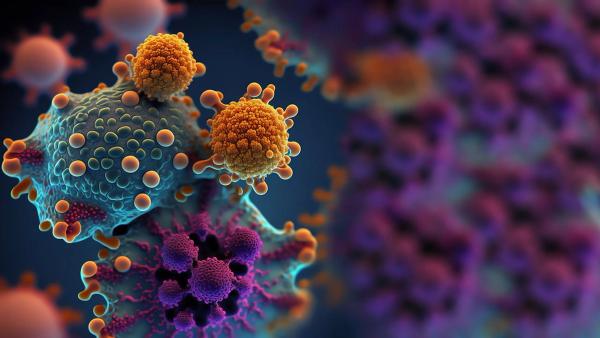
Activation and expansion are essential for success in both autologous and allogeneic therapies.
Continuous manufacturing and a quality-by-design development approach are a natural fit.
Bio/pharma researchers mobilize to diagnose and treat patients in pandemic threat.

Researching excipient grades and sources, as well as screening suppliers and materials, form the basis of programs to mitigate risk.

The need for manufacturing speed inspires contract manufacturers to explore advanced processing technologies.
Pharmaceutical Technology's In the Lab eNewsletter
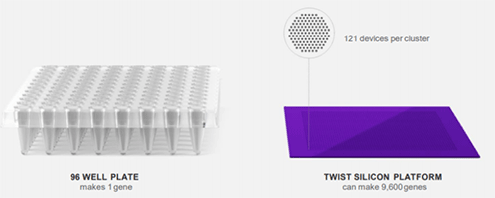
The partners will collaborate on developing scale-up chip-based technology to enable commercial-scale production of a third-generation DNA synthesis platform.
Pharmaceutical Technology's In the Lab eNewsletter
The license gives Daiichi Sankyo access to ERS Genomics’ genome-editing technology for internal R&D initiatives.
Pharmaceutical Technology's In the Lab eNewsletter
Otsuka will use PhoreMost’s phenotypic screening platform to identify new targets for drug development, with a focus on gene therapy.
Fios Genomics, a spin-out bioinformatics company from Edinburgh University, has entered into a strategic partnership with Charles River Laboratories.
Mereo BioPharma Group and Oncologie have entered a global licensing agreement for the development and commercialization of navicixizumab.
The agreement centers around the development of new stem-cell derived allogeneic T-cell therapies for the treatment of cancer.
While the US public and law makers push for price controls, pharma’s venture capitalists have other ideas for balancing innovation and affordability.
A development and manufacturing partnership with Thermo will allow Civica to expand its internal pipeline of medications for use in emergency and critical care in the United States, further preventing the risk of drug shortages.
The formation of the new gene therapy company stems from the progress and success of Nationwide Children’s Hospital’s clinical manufacturing and gene therapy work.
Inflazome, a biotech company based in Dublin, Ireland, has announced that the United States Patent and Trademark Office (USPTO) and the European Patent Office (EPO) will grant its patent applications in January 2020.

As the high cost of drugs continues to erode public opinion, experts ask whether price controls are the best, or only, way to improve access to medicines and regain the public’s trust.
Generic pharmaceutical company, Hikma Pharmaceuticals, and biopharmaceutical company, Arecor, have entered into an exclusive agreement for the development and commercialization of a ready-to-use injectable medicine.
Under the agreement, Almirall will leverage WuXi Biologics’ proprietary WuXiBody platform to develop bispecific antibodies for dermatological diseases.
The joint venture will develop next-generation cell and gene therapies incorporating Affimer proteins.
Roche will apply ProBioGen’s proprietary GlymaxX technology to boost the antibody-dependent cellular cytotoxicity activity of antibodies.
PhoreMost, a biopharma company based in the United Kingdom, and Boehringer Ingelheim have entered into a multi-project drug discovery collaboration agreement, it was revealed.
Molecular taggants from Applied DNA Sciences and Colorcon’s Opadry coating target counterfeit and falsified medications.
The promise of new therapies is tempered by the need for affordability, safety, and ethics.

FDA’s approval rate slowed, but the US agency is still ahead of its international counterparts in green-lighting new drugs for market.

With a positive employment market, some bio/pharma professionals explore options for career advancement.
Biologics raise unique formulation and development challenges, and industry is still on a learning curve to get the best out of these diverse and complex therapies.

PTE looks ahead to 2020’s edition of Pharmapack-the pharma industry’s dedicated packaging and drug delivery event.