
The collaboration focuses on baculovirus/Sf9 expression system for Prevail's pipeline of novel AAV9-based gene therapy programs neurodegenerative diseases.
Accurately targeted immunotherapies through reliable neoantigen recognition enable personalized medicine development.
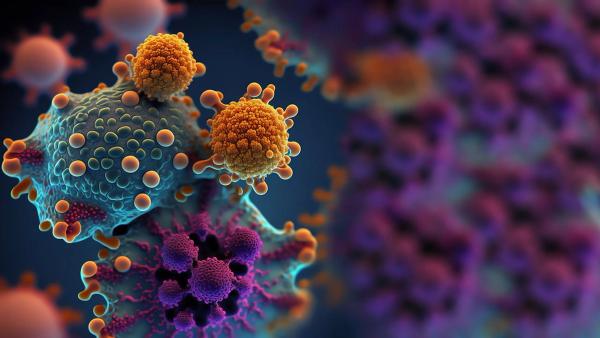
Activation and expansion are essential for success in both autologous and allogeneic therapies.
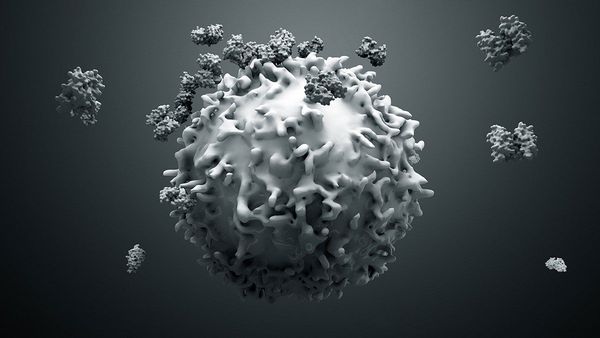
Continuous manufacturing and a quality-by-design development approach are a natural fit.

The collaboration focuses on baculovirus/Sf9 expression system for Prevail's pipeline of novel AAV9-based gene therapy programs neurodegenerative diseases.
The new services provide rapid production of antibody drug conjugates (ADCs) for best candidate selection.
Under a collaboration potentially worth more than $1.5 billion, the companies aim to develop the antisense therapy to treat patients with certain cardiovascular and metabolic diseases.
The agency has approved Gilead Sciences’ Descovy (emtricitabine 200 mg and tenofovir alafenamide 25 mg) for reducing the risk of HIV-1 infection.
The new joint venture, named Oerth Bio, will use Arvinas’ Protac technology to develop innovative new agricultural products. As part of its collaboration with Arvinas, Bayer is also using this technology to develop human therapeutics.
The agency seeks comments on a draft guidance designed to make the process conform to its original intent as a communication tool, rather than a roadblock to competition and innovation.

Limited guidance and numerous challenges create confusion about the scope and timing of stability testing for drugs in development.
In this article, experts discuss the fundamentals of dissolution testing and highlight the challenges that are surfacing as a result of the increasing numbers of poorly soluble molecules entering the development pipeline.

Lipid-based formulations provide a versatile solution to bioavailability issues, but a multi-disciplinary approach is needed to overcome limitations with poorly soluble compounds.
As the development pipeline becomes more saturated with complex molecules and patient experience becomes more important, developers are looking to outsourcing partners to provide more specialized expertise and solutions.
Changing regulatory guidance on generic topical products is expected to lead to an increase in the number of market approvals in the near future.
Research into peginterferon alfa-2b’s degradation pathways suggest that drug substance be immediately and continuously converted to drug product when the material is in liquid form.

High-throughput platforms can be used to develop tertiary phase diagrams, which can be leveraged to identify the most stable SEDDS formulations and excipients for lipid-based drug delivery systems.

Technological advancements can address the formulation and dissolution challenges of HPMC polymers.
In this article, the contents of a stimulus article produced by the joint subcommittee of the USP Expert Committees on Dosage Forms, Physical Analysis, and Excipients and relevant comments from a workshop session are summarized.

This article seeks to encourage continued dialogue among stakeholders to achieve consensus regarding excipient additives and processing aids.
If clinical trials are successful, roluperidone (MIN-101) will be the first treatment approved to treat symptoms of schizophrenia in the United States.
GSK’s expanded R&D and manufacturing facility in Upper Merion, PA houses a new analytical lab and flexible manufacturing equipment, including single-use bioreactors.
The companies have advanced their collaboration to the next stage and will continue to develop a plant-based biosimilar candidate to Roche’s Rituxan.
Under a new co-development license agreement, Boehringer Ingelheim and Inflammasome Therapeutics aim to develop novel therapies for retinal diseases.
Procarta Biosystems has received an award from CARB-X, potentially worth $9.2 million, for the development of antibiotic precision medicines.
Colorcon Ventures looks to fund promising startups in drug manufacturing, delivery, and supply chain.
The Phase III clinical studies for the drug candidate, elenbecestat, were discontinued based on a recommendation by a data safety monitoring board.
The acquisition will enhance Lundbeck’s brain disease therapy portfolio as well as its antibody process and development capabilities.
The acquisition gives PPF a 19.2% stake in Autolus and provides a pipeline of cell therapy product candidates.