
Steris Corporation’s steam sterilizer provides reliable decontamination for high-containment facilities.
Steris Corporation’s steam sterilizer provides reliable decontamination for high-containment facilities.
PTSM: Pharmaceutical Technology Sourcing and Management
Ajinomoto Althea, a biopharmaceutical CDMO, is expanding its existing biological drug product manufacturing operations to include highly active materials, such as antibody-drug conjugates (ADCs), the company announced on Oct. 14, 2015. The new facility is located in close proximity to the company’s existing operations in San Diego, CA.
The new sugars are touted to increase the efficacy of active pharmaceutical ingredients and improve cell culture yield.
Cell Therapy Catapult will provide manufacturing scale-up services to enable Asterias’ future clinical trials and commercial supply for Asterias’ allogeneic dendritic cell immunotherapy, AST-VAC2.
PTSM: Pharmaceutical Technology Sourcing and Management
Grace and Formac Pharmaceuticals have announced SilSol 6035 Mesoporous Silica Gel, the first silica in the Grace silica-based drug delivery platform. The silica gel is the result of a multi-year collaboration between the companies.The platform was engineered to offer a new drug delivery option for APIs with poor aqueous solubility (BCS class 2 compounds), Grace reports and combines the company’s expertise in mesoporous silica gel and novel application methods to accelerate the screening and development of stable, amorphous-based systems.
Data protection for biologics is reduced from 12 to five years as a result of the Trans-Pacific Partnership agreement.
Dow Corning will also be presenting topical and transdermal technology advances at CPhI.
The Cell History File is designed as a “cell passport” for developers and manufacturers of tissue- and cell-based medicinal products.
Probiodrug has signed an agreement with Rentschler Biotechnologie GmbH for the development of PBD-C06, a pGlu-Abeta-specific monoclonal antibody, as treatment for patients with Alzheimer’s disease.
The PDA report discusses qualification and operational handling of passive thermal protection systems.
3M and Impel will collaborate to develop and commercialize Impel’s Precision Olfactory Delivery technology for enhanced central nervous system drug delivery.
Susan Schniepp, distinguished fellow, and Andrew Harrison, chief regulatory affairs officer and general counsel, both of Regulatory Compliance Associates, discuss performing investigations of biological products.
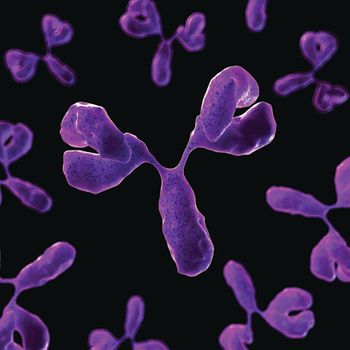
The development of successful ADCs involves careful selection of drug, antibody, and linker, as well as choosing the right attachment chemistry to link the cytotoxic to the antibody.

This article looks at the current status of alcohol-induced dose dumping of modified-release formulations and the need for regulatory harmonization in handling this challenge.

New formulations that enhance bioavailability, optimize drug-delivery profiles, reduce dosing frequency, or improve patient experience have the potential to deliver quicker returns on investments than developing a completely new drug.

PTSM: Pharmaceutical Technology Sourcing and Management
Hovione will double its manufacturing capacity in New Jersey with an expanded facility and a commercial spray dryer designed to handle potent APIs.
PTSM: Pharmaceutical Technology Sourcing and Management
The CDMO is striving to become a market leader in the development and manufacturing of antibody-drug conjugates.
PTSM: Pharmaceutical Technology Sourcing and Management
The agency releases guidance on controlled correspondences related to generic-drug development.
There is growing interest in the development of liquid formulations in prefilled syringes and autoinjectors, which offer convenience and ease of administration in a home setting.
PTSM: Pharmaceutical Technology Sourcing and Management
Cobra Biologics and the University of Manchester announce a collaboration to improve industrial scale-up of mammalian cell bioprocessing.
In testifying before Congress on FDA regulation of long-awaited biosimilars, Janet Woodcock emphasized the importance of ensuring that the evaluation of new therapies is based on sound science.
The company will showcase its range of drug packaging and delivery systems as well as launch a new ready-to-use validated packaging component.
West Pharmaceutical Services and HealthPrize Technologies are collaborating on self-reporting and bar coding capabilities for injectable drug-delivery systems.
PTSM: Pharmaceutical Technology Sourcing and Management
EMD Millipore, the Life Science business of Merck KGaA, introduced expanded documentation and regulatory information for its Emprove portfolio of pharmaceutical raw materials, which include excipients, process chemicals, and APIs.