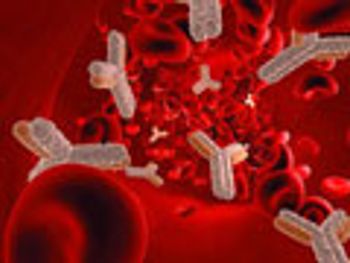
Extensive comparability testing is required to ensure that biosimilars have comparable profiles to their reference products.
Extensive comparability testing is required to ensure that biosimilars have comparable profiles to their reference products.

The US Supreme Court's Myriad decision satisfied both patient groups and patent holders
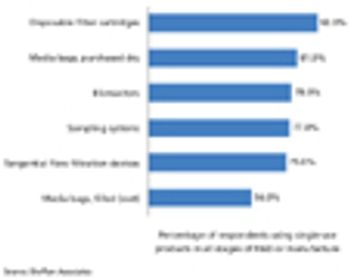
Advances in techniques and single-use systems are revolutionizing vaccine manufacturing.

Nanomedicines have been authorized by European licensing agencies for more than 30 years but are still posing regulatory difficulties.
FDA releases FY 2014 generic-drug user fees.

FDA funds research to further development of innovative generics, while working to address review and approval issues.

View companies' outsourcing profiles from PharmTech's 2013 Outsourcing Resources Fast Locator Index in the following categories.

Industry groups offered perspectives on the strengths and weaknesses of the European Falsified Medicines Directive.
The investment activity of CDMOs and CMOs reveals the broader business and technical trends of the pharmaceutical industry.
A new method of vaccine design, called the Multiple Antigen Presentation System (MAPS), may result in vaccines that bring together the benefits of whole-cell and acellular or defined subunit vaccination.
Australian team develops method for making ultrafine particles for more efficient drug delivery.
The report highlights a need for greater third party certification to ensure GMP vigilance.
Continuous countercurrent tangential chromatography (CCTC) is a column-free process that provides a scalable, disposable, and cost-saving alternative to column chromatography.
Molecular Profiles has opened a new facility in the UK following official approval from MHRA.
Novartis and Biological E, a biopharmaceutical company based in India, have entered into an agreement that aims to deliver affordable and accessible vaccines for typhoid and paratyphoid A fevers to developing countries and thereby address the unmet medical need in endemic regions.
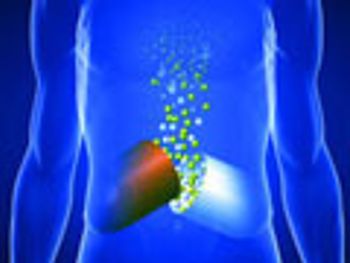
Osmotic systems offer versatility for delivering drugs with varied properties and dosage requirements.
Risk management guides decisions in facility design and operation for highly potent drugs.
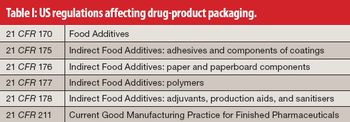
The author presents best practices for extractables and leachables.
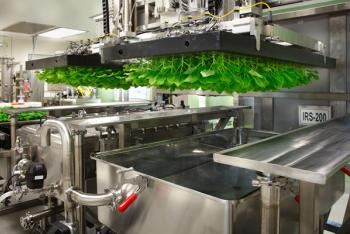
GE Healthcare's partnerships with iBio and Brazil's Bio-Manguinhos/Fiocruz for a new plant-based multipurpose biopharmaceutical and vaccine manufacturing facility move plant-based protein production to the next level.
The EMA's Committee for Medicinal Products for Human Use has recommended granting of marketing authorizations for the first two monoclonal antibody biosimilars.
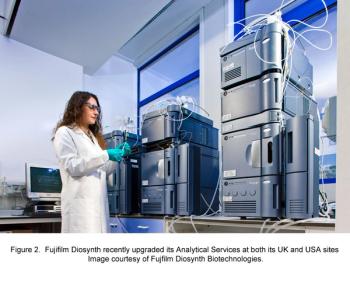
Since its inception in 2011, Fujifilm Diosynth Biotechnologies has added capabilities and single-use production capacity for mammalian-derived product manufacturing, upgraded development and pilot-scale microbial laboratories, and installed advanced analytical instrumentation.
Eisai has launched a new dry syrup formulation of its Alzheimer's disease treatment Aricept (donepezil hydrochloride) in Japan.
Combination product design takes second prize in the National Collegiate Inventors and Innovators Alliance Biomedical Engineering contest.
Global program seeks to confirm biosimilarity to support regulatory submissions in the US and EU.
A conversation with Kevin Brady of Alkermes about how high potency APIs are changing the way drugs are developed and manufactured in terms of process, equipment and regulations, including a case study that demonstrates the effective scale up or manufacture of a drug with a highly potent API.