

PTSM: Pharmaceutical Technology Sourcing and Management
FDA cites Yunnan Hande Bio-Tech for cGMP violations related to data collection and security.
PTSM: Pharmaceutical Technology Sourcing and Management
FDA cites Yunnan Hande Bio-Tech for cGMP violations related to data collection and security.

An integrated pilot plant tests heteronucleation and continuous crystallization.
PTSM: Pharmaceutical Technology Sourcing and Management
Recipharm makes a strategic investment in Synthonics and partners in development of novel compounds.

New legislation and changes in policy at FDA are leading to better control of the API supply chain.
PTSM: Pharmaceutical Technology Sourcing and Management
A consensus-based standard issued by NSF International incorporates regulatory and industry requirements into a single standard for the manufacturing and distribution of pharmaceutical excipients.
NSF's consensus-based standard incorporates multiple regulatory and industry requirements into a single rigorous standard for the manufacturing and distribution of pharmaceutical excipients.
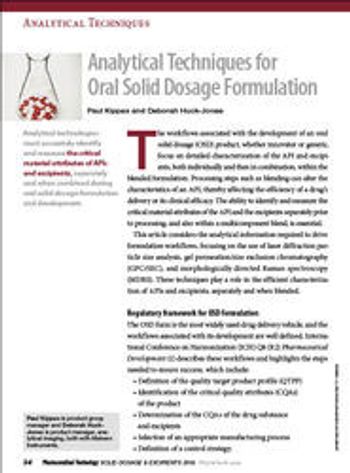
Analytical technologies must accurately identify and measure the critical material attributes of APIs and excipients.
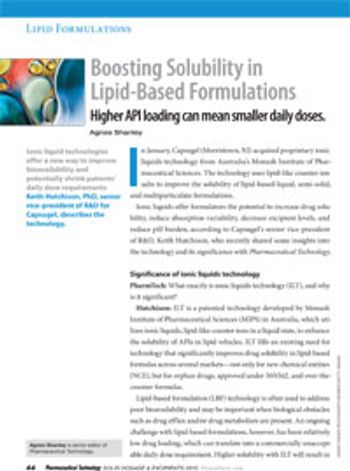
Ionic liquid technologies offer a new way to improve bioavailability.

Protecting workers, patients, and the environment requires advanced technologies.

Assessing risk factors is key to implementing the new ICH Q3D guidelines for elemental impurities.
It is vital that companies involved in the manufacturing and handling of cytotoxic drugs ensure that staff are given the highest possible levels of protection.
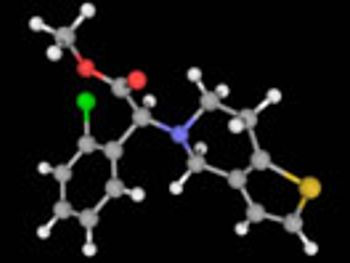
Resolution technologies remain crucial for commercial-scale chiral API production.

CMO executives share their opinions on where outsourcing is going and what is driving market change.
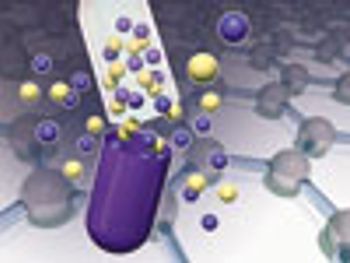
Changing dynamics of the pharmaceutical industry are driving demand.
PTSM: Pharmaceutical Technology Sourcing and Management
Analytical and procedural deficiencies result in FDA warning letter for Novacyl Wuxi Pharmaceutical.
Protein Sciences will evaluate sourcing Flublok from its Japanese licensee, UMN Pharma, which already runs a large-scale facility for the vaccine.

FDA approves treatments for new diseases and drugs that operate by new mechanisms.
On Oct. 7, 2014 at CPhI Worldwide in Paris, France, UBM Live announced the winners of the 11th annual CPhI Pharma Awards.
Selected new technologies, products, and facilities from CPhI Worldwide 2014 are reviewed.
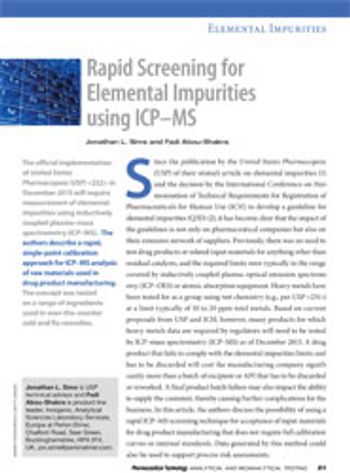
The authors describe a rapid, single-point calibration approach for ICP–MS analysis of raw materials used in drug product manufacturing.
The agency cites deviations from CGMPs for the manufacture of APIs at the company?s Gujarat, India plant.
Acryl-EZE II is an optimized aqueous acrylic enteric system from Colorcon.
New practical approaches to the synthesis of complex heterocycles are reviewed.
Safer fluorinating reagents and access to GMP fluorination capabilities remain challenges in API synthesis.
A survey of the recent literature reveals numerous advances in asymmetric chemocatalysis.