

Agency issues precautionary recall due to manufacturing fault.
The evolution of therapeutic modalities drives the adoption of single-use technologies.
Despite its understandable hesitancy, the pharma industry is facing a need for more widespread adoption of cloud-based solutions.

Given the criticality of fill/finish processes, it is clear that automation is the next technological step.
Agency issues precautionary recall due to manufacturing fault.
Agency issues precautionary recall due to manufacturing fault.
BioWa and Lonza have entered into a licensing agreement with MedImmune for cell line technology.

Industry experts discuss challenges in managing the cold chain.
Standards for ferrules and cap overseals focus on explicit warnings.
FDA cites cGMP violations and data-integrity issues and raises concerns over the company's ability to implement a robust and sustainable quality system.
Alvotech plans investment in biosimilars portfolio and manufacturing facility.
The flexible biomanufacturing system uses single-use technology.
Facility in Germany provides space for evaluating continuous pharmaceutical processing equipment.
Excipients for lowering formulation costs and improving lipid-based formulations and the use of melt-spray-congeal microsphere sachet technology for targeted controlled release attract attention at the 2013 American Association of Pharmaceutical Scientists Annual Meeting.
Rail-Mounted Fluid Bed Dryers Allow Cleaning Access

Siegfried Schmitt, principal consultant at PAREXEL, discusses the state of drug manufacturing in India.

The European Union is strengthening its pioneering role in the regulation of biosimilars by further developing the basic rules for determining the levels of compatibility for this group of drugs. There are, however, some key issues that are not easy to resolve, as evident in a recent workshop on biosimilars organized by the European Medicines Agency (EMA).

Industry experts discuss the application, challenges, and benefits of a quality-by-design approach to sterile manufacturing.

New policies and products seek to maintain access to pain medicines while curbing rampant abuse.
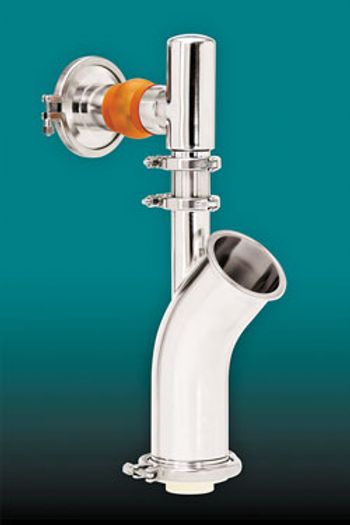
Low Feed Rate Feeder Designed for Pharmaceutical Processes
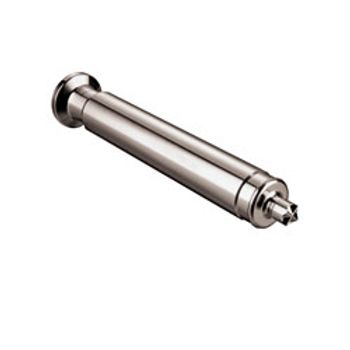
Tablet Tooling Coating Reduces Formulation Sticking
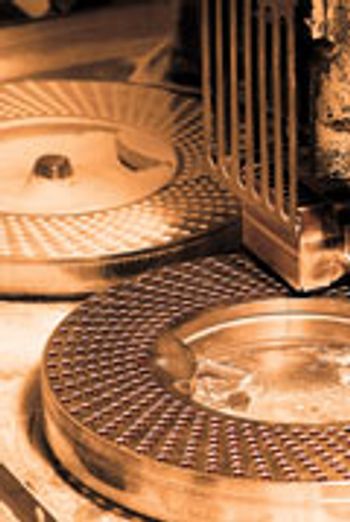
Analytical tests, correlated with statistical techniques, are used to predict material behavior.
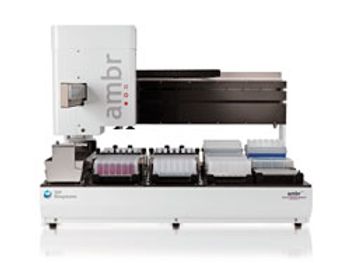
Bioreactor Functions as Perfusion Mimic
Drug Quality and Security Act gives FDA authority over compounding pharmacies.
The international “Fight the Fakes” campaign will raise awareness about the dangers of counterfeit medicines.
In this sponsored podcast, Adam Stuart, Senior Design Engineer at 3M Drug Delivery Systems, discusses the role of dose counters for metered dose inhalers and the technical challenges companies can face when adding this feature to their inhaler products.
European Medicines Agency announces the launch of the Accelerated development of vaccine benefit-risk collaboration in Europe (ADVANCE) project.
GlaxoSmithKline plans to invest nearly $41 million to expand its operations at its facility in Montrose, the United Kingdom.
Merck KGaA plans to build a new biomanufacturing facility in Nantong, China.