

Editors' Picks of pharmaceutical science and technology innovations
The evolution of therapeutic modalities drives the adoption of single-use technologies.
Despite its understandable hesitancy, the pharma industry is facing a need for more widespread adoption of cloud-based solutions.

Given the criticality of fill/finish processes, it is clear that automation is the next technological step.
Editors' Picks of pharmaceutical science and technology innovations

Agreement on standards for excipient qualification, development, and fair pricing is underway.

A modular approach to biopharmaceutical production could bring process flexibility, and contract manufacturing organizations are beginning to take notice.
When vessels, seals, and cooling units go haywire, operators must get in the mix.

Pharmaceutical Technology Europe
Cameron Tew explains why effective New Product Planning is the first line of defence against losses caused by product failures.
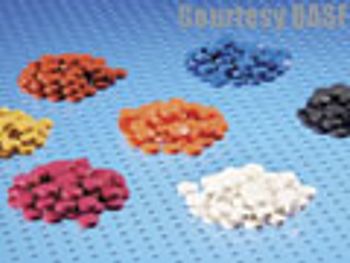
The author discusses a new fillm-coating system to create customized colors and the research an development tools used in conjunction with this system. This article is part of a special supplement on Excipients and Solid Dosage.
A Technical Forum featuring representatives from Dow Chemical, ISP, and DMV-Fonterra Excipients. This article is part of PharmTech's supplement "Solid Dosage and Excipients 2010."

The author describes the new IPEA excipient good-manufacturing-practice certification program that is now ANSI accredited. This article is part of a special issue on excipients and solid dosage.

The author outlines the key concepts of ISPE's recently revised Baseline Pharmaceutical Guide for New and Renovated Facilities. This article is part of a special supplement on Excipients and Solid Dosage.
The author proposes techniques, based on Six Sigma methods, for monitoring such processes to discover their airflow patterns and reduce opportunities for spillage.This article is part of PharmTech's supplement "Solid Dosage and Excipients 2010."
New Draft Guidance for Solid Oral Dosage Forms Focuses on Physical Chemical Identifiers. This article is part of PharmTech's supplement "Solid Dosage and Excipients 2010."
The authors formulated bupropion hydrochloride tablets with various grades of methacrylic copolymers and analyzed the properties of the resulting dosage forms. This article is part of PharmTech's supplement "Solid Dosage and Excipients 2010."
Pharmaceutical Technology Europe
Testing the dissolution rates of a pharmaceutical formulation (also known as in vitro availability) aids drug quality control and is a compulsory requirement of the British, European and US pharmacopoeias.
Pharmaceutical Technology Europe
Why spray drying processes offer a range of particle engineering possibilities.
Pharmaceutical Technology Europe
The emerging markets represent an attractive investment opportunity for the pharmaceutical industry because of the countries' growing economies and unmet medical needs.
Pharmaceutical Technology Europe
The pharmaceutical industry must understand its responsibilities to improve the safety of chemicals as defined by the REACH initiative.
Pharmaceutical Technology Europe
A new automated factory in Boston (MA, USA) has been developed that uses non-genetically modified green plants to quickly produce large quantities of vaccines and therapeutics.
ePT--the Electronic Newsletter of Pharmaceutical Technology
Charles River Acquires WuXi AppTec; Amgen Appoints President and COO; and More.
ePT--the Electronic Newsletter of Pharmaceutical Technology
Genzyme provided an update on its manufacturing operations following the issuance of a draft consent decree by FDA regarding the company's Allston Landing, Massachusetts, manufacturing plant.
ePT--the Electronic Newsletter of Pharmaceutical Technology
The Society of Chemical Manufacturers and Affiliates is raising concerns over a recently introduced bill in the US Senate, which seeks to reform the Toxic Substances Control Act.
ePT--the Electronic Newsletter of Pharmaceutical Technology
INTERPHEX 2010 will take place this week at the Jacob K. Javits Center in New York.
ePT--the Electronic Newsletter of Pharmaceutical Technology
After several years of debate and review, the US Food and Drug Administration is calling for the removal of metered-dose inhalers.
ePT--the Electronic Newsletter of Pharmaceutical Technology
FDA Issues Warning Letters to Astellas, GSK, And Novartis; Sandoz Acquires Oriel Therapeutics; And More.
Equipment and Processing Report
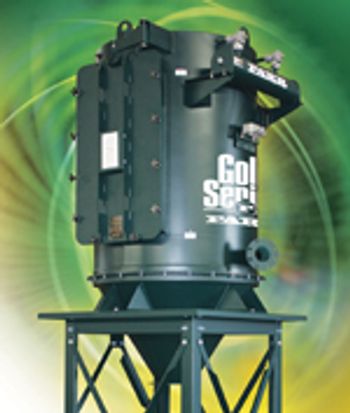
PharmTech's monthly newsletter, Equipment and Processing Report, reviews the Editor's Picks for the April 2010 edition from Camfil Farr and K-Tron.
Equipment and Processing Report
The green movement promises to make life-sciences manufacturing processes more environmentally friendly.