
Protecting a product from temperature abuse is gaining importance as regulators seek proof of product stability throughout the distribution process.
The evolution of therapeutic modalities drives the adoption of single-use technologies.
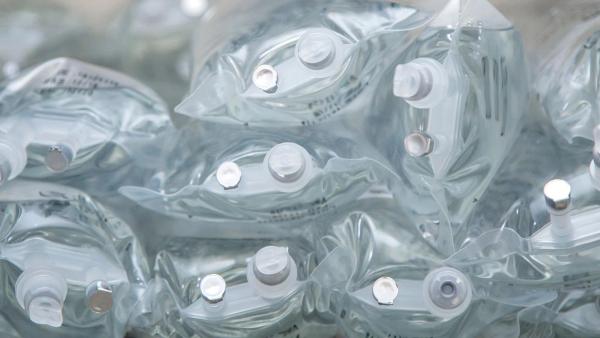
Despite its understandable hesitancy, the pharma industry is facing a need for more widespread adoption of cloud-based solutions.

Given the criticality of fill/finish processes, it is clear that automation is the next technological step.
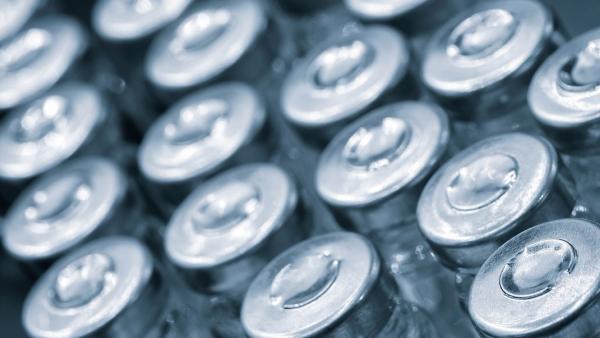
Protecting a product from temperature abuse is gaining importance as regulators seek proof of product stability throughout the distribution process.
The author covers the fundamentals of lyophilization and provides case studies about the development of lyophilized biopharmaceutical products and the importance of biophysical characterization in formulaiton and the lyophilization process.
Electrical resistance, low temperature scanning calorimetry, and freeze-drying microscopy are three analytical methods that can be used to determine the thermal characterization of a product during processing for intended development of a lyophilization cycle.
Pharmaceutical Technology Europe
Hydrogen peroxide has become the compound of choice for gaseous biodecontamination in the pharmaceutical industry. As some processes operate at vapour concentrations below the dew point, to avoid condensation, and others actually form dew, it is important to understand the relationship between the vapours and to have a method of establishing the dew point.
Though recognized by the public since freeze-dried coffee hit the market 30 years ago, lyophilization remains far from mature and deserves more research.
The authors establish a quantitative framework for understanding the correlation between the segregation of pharmaceutical powders and various physical and process parameters.
Pharmaceutical Technology Europe
This article describes the use of a one-pot processor for the cleaning and cleaning validation of two drug compounds - water-soluble theophylline and water-insoluble mebendazole. Both substances were produced using wet granulation and microwave drying, after which the processor was cleaned using its clean-in-place (CIP) system. Swab samples were taken from areas considered critical during processing and analysed for remains of active ingredient. It was concluded from the results that the processor's CIP system is capable of removing both moieties to a level well within accepted regulations.
With new features such as servo-controlled operations and modularity, today's packaging machines offer enhanced flexibility, increased uptime, and reduced product waste.

Pharmaceutical Technology Europe
Based on a German initiative, an international standard on quality management systems for the primary packaging materials of medicinal products is discussed in this article. This new directive will help to standardize the production of primary packaging materials by defining global requirements.

Pharmaceutical Technology Europe
The use of solid dispersion technology to increase the bioavailability of poorly water-soluble drugs has always been limited by processing and scale-up difficulties. A new approach may help to overcome some of the problems.
FDA's aseptic processing draft guidance and the industry's state-of-the-art isolator technologies prepare manufacturers for the next generation of contamination control solutions.
One of the greatest challenges facing biopharmaceutical manufacturers has been the primary recovery of recombinant materials from transgenic sources. As an alternative to existing methods, vibrating membrane technology, which is widely used in food and beverage processing, recently has been adapted to biopharmaceutical applications involving transgenic biosolutions.
Pharmaceutical Technology Europe
Organic solvents are frequently used in the manufacture of active pharmaceutical ingredients. They have, therefore, normally also been used for process cleaning. However, a number of factors have encouraged the industry to change from solvent-based to aqueous cleaning. This article considers current cleaning practices, related issues and the author's experience of switching from one cleaning method to another.
Pharmaceutical Technology Europe
Previous articles have presented a general review of the different types of spheres that can be obtained using a rotary fluidized bed process.1,2 Part I of this study focussed on lipid spheres prepared using hydrogenated castor oil for formulations with low active drug content. The feasibility of the process and the main characteristics of spheres obtained were also studied. In Part II, formulations with higher concentrations of active drug are examined.
The process of designing a new drug package must follow specific steps to ensure low costs and rapid market approval.
The author brings attention to the connectivity problems among various data-gathering systems and discusses the drivers and benefits of change, including PAT.
This article outlines the key concepts that define process analytical technology and emphasizes the relevant theory and applications of chemometrics.

Pharmaceutical Technology Europe
The aim of this study was to validate the automated clean-in-place (CIP) system installed on a capsule filling machine to determine its ability to adequately eliminate contaminants. The results obtained from the proposed cleaning validation trial showed that all the soluble tracer was removed after the washing procedure. At the end of the CIP procedure, the discharged water had the same pH, phosphate content and total organic content as the supplied water. Lack of cross-contamination in the product was also demonstrated and a recovery trial highlighted the complete elimination of the tracer from the machine.

Pharmaceutical Technology Europe
Determining whether a data point is an "outlier" - a result that does not fit, is too high or too low, is extreme or discordant - is difficult when using small data sets, such as the data from three, four or five conformance runs. In this article, the authors demonstrate that the Weisberg t-test is a powerful tool for detecting deviations in small data sets.
FDA and manufacturers seek to curb drug counterfeiting while legislators consider liberalizing drug importing policies to cut pharmaceutical costs.
Pharmaceutical science & technology news.
Single-use filtration technology is becoming increasingly popular as manufacturers seek to cut costs and minimize processing times.
New blister packaging offers patient compliance aids, child-resistant mechanisms, and space to include brand information.

Pharmaceutical Technology Europe
Improving product quality and lowering costs are the key factors behind the decisions made in many industries. Ensuring product quality throughout the manufacturing process can be time-consuming, with materials and products 'quarantined' until test results are generated. Rapid testing by near-infrared (NIR) spectroscopy at all stages of the manufacturing process can reduce production time and provide assurances at each step of the process that product quality is being maintained.

Pharmaceutical Technology Europe
Respirable drug delivery is becoming increasingly popular because it provides a non-invasive route with rapid drug uptake, not only for the treatment of respiratory complaints, but also for the systemic delivery of substances that cannot be delivered orally.