
FDA clarifies GDUFA requirements in regards to abbreviated new drug applications and prior approval supplements.
FDA clarifies GDUFA requirements in regards to abbreviated new drug applications and prior approval supplements.
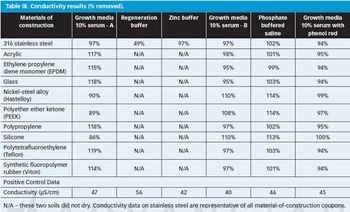
The authors look at the cleanability of pharmaceutical soils from a variety of materials of construction to determine the relative ease of cleaning and explore potential grouping strategies as part of a comprehensive cleaning validation program.
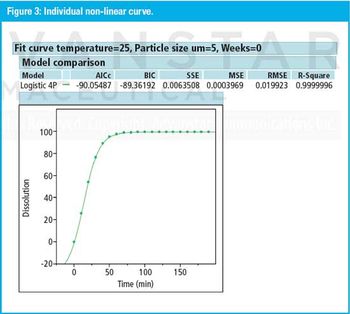
The right approach can provide a clear, statistically defendable method for determining dissolution and accelerated stability.

Siegfried Schmitt, Principal Consultant, PAREXEL International, discusses how to ensure data integrity.
Several groups, including pharmacies, call on FDA to preserve accepted International Nonproprietary Name conventions for biosimilars.

Nitrogen dioxide can sterilize and depyrogenate an aseptic fill area in a blow-fill-seal process.

FDA draft guidances seek to maintain accurate drug information for patients in new media.

Is there potential for growth in Brazil's phytotherapic drug market?

Stakeholders face challenges and benefits from a more secure pharmaceutical supply chain.
Regulators and industry leaders take on the task of securing the drug supply chain.
FDA releases guidance documents and rules on requirements for compounding human drug products.
European Medicines Agency clarifies advanced-therapy medicinal products classification.
Bristol-Myers Squibb issues a voluntary US recall of Coumadin (warfarin sodium) for injection due to presence of particulate matter.
PTSM: Pharmaceutical Technology Sourcing and Management
Regulators and industry organizations explain policies and standards to manufacturers and authorities across the globe.
GSK Biologicals receives warning about cGMP compliance issues at its Quebec facility.
PTSM: Pharmaceutical Technology Sourcing and Management
FDA cites cGMP violations for API manufacturing at a facility in Tianjin, China.
PTSM: Pharmaceutical Technology Sourcing and Management
FDA inspection found cGMP violations in the Bangalore, India API manufacturing facility.
EDQM details the agency?s accomplishments in 2013.
FDA issues guidance on the use of social media in regards to prescription drugs.
ISPE Metrics Pilot Program is designed to demonstrate the feasibility and value of standard quality metrics.
PTSM: Pharmaceutical Technology Sourcing and Management
FDA provides advice to supply-chain stakeholders on how to identify suspect drug products and how to notify the agency of those products.
EMA has published a new guidance template for the qualified person’s declaration concerning GMP compliance of API manufacture. The QP declaration template provides the basis for demonstrating compliance of the API manufacture with GMP requirements and ensures that the manufacturer has sufficient knowledge on the supply chain.
Draft guidance from FDA includes information essential for the completion of ANDA applications.
USP and USAID give prequalification status to Capreomycin, an anti-tuberculosis injectable.
Despite GMP deficiencies, EMA reinstates GMP certificate for Ranbaxy's Toansa facility, citing no threat to public health.