
Pharma announces plans for the year ahead at annual JPMorgan Global Healthcare conference.
Pharma announces plans for the year ahead at annual JPMorgan Global Healthcare conference.

A nickel's worth of free advice to the competition could come at the expense of your bottom line.

Guidance offered on how to deal with off-label information requests.

Where is the variability coming from and what have we done to minimize it?
The US Department of Justice, on behalf of FDA, filed a consent decree of permanent injunction against the generic-drug manufacturer Ranbaxy in the US District Court of Maryland. The decree was filed on Jan. 25, 2012, and is subject to court approval.

New educational programs are key to the industry's future and to safe, available drugs.

The Asian nation is strategizing to take the lead over its regional competitors in pharmaceutical exports.
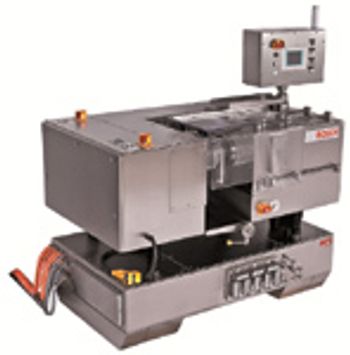
New product reviews for February 2012.
FDA and industry expert working group representatives discuss the pending ICH Q11 guideline.
ICH Q8, Q9, and Q10 support and implications for the future.

The author describes an equation that can be used to define the Quality relationship between a contract manufacturing organization and a client, including how to factor in both party's needs and regulatory commitments.
The US Pharmacopeia announced a draft standard containing best practices for ensuring that drugs can be traced to their original manufacturer, are not counterfeited or adulterated, and can be transported to their intended destination without compromising quality.
USP Releases Guidelines on Ensuring the Integrity of the Pharmaceutical Supply Chain.
The FDA has released a new draft guidance that offers recommendations to companies wishing to respond to unsolicited requests for off-label information, including requests made via social media websites.

The authors designed an upper punch with a removable punch tip to determine a tablet formulation's propensity to stick by weighing the mass of powder adhered to the punch tip.

The benefits of harmonization may be on industry's wish list, but buying into change is another story.
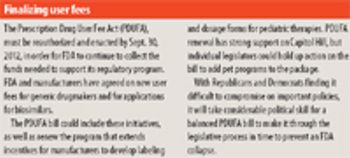
Pressure to approve new user fees opens the door to action on drug shortages, prices, and regulation.
As part of the BRIC bloc with Russia, India, and China, Brazil is one of the world's leading emerging economies and is also considered by IMS Health to be one of seven pharmerging nations, which also include Mexico, Turkey, and South Korea.
Technology may expedite operations, but the absence of the human element could cost dearly.
To keep moving forward, the Pharmacopoeial Discussion Group needs industry participation.

The European Union market takes steps toward continuous processing and modular facilities.

Copay coupons may help patients and drugmakers, but who ends up holding the bag?
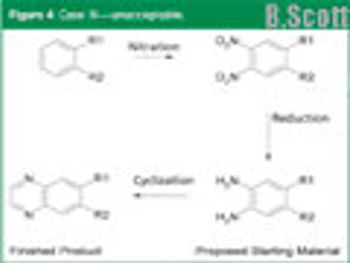
The author describes how providing appropriate information about the API in the Common Technical Document can aid FDA's review of an abbreviated new drug application.

A Q&A with Gilles Cottier, president of SAFC, on recent industry trends.
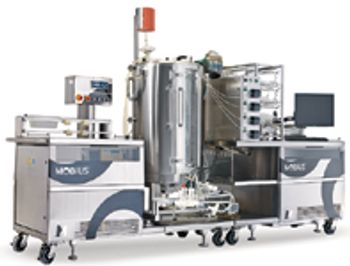
New product reviews for January 2012.