
Formulation characteristics must be optimized, following device selection, to achieve the desired performance for the capsule loaded in the dry powder inhaler.
Formulation characteristics must be optimized, following device selection, to achieve the desired performance for the capsule loaded in the dry powder inhaler.
The companies will collaborate to bring InnoCore Pharmaceuticals’ proprietary SynBiosys biodegradable polymer platform to market.
Materials in contact with a drug must be fully characterized to ensure they do not negatively affect the safety and efficacy of the product.
This article describes the approaches used during the development of a dexlansoprazole delayed-release orally disintegrating tablet (ODT) to evaluate tablet size and texture as they relate to disintegration rate and patient experience; in addition, the resistance to alcohol was also characterized.
Jean-Yves Balfin, product manager at Korsch AG, speaks to Pharmaceutical Technology about the ins and outs of multilayer tableting.
Frustrated by slow market adoption, Gottlieb maps out new plan for biosimilar competition.
Increasing dwell time can improve tablet production.
Development costs and time to market continue to put pressure on the biopharma industry, driving the need for innovation in methods and technologies.
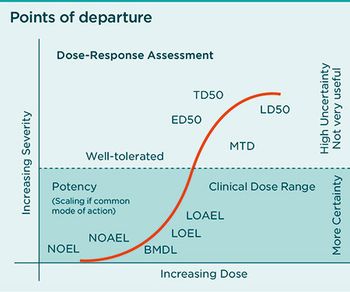
Determining how much containment is needed for API handling requires evaluation of multiple factors.
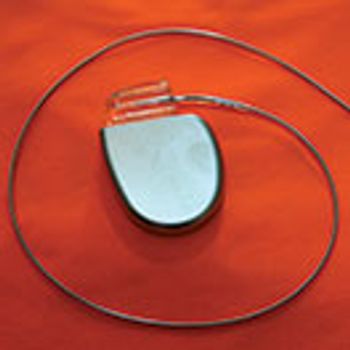
API can be mixed with silicone and other polymers to create drug-delivery combination products.
CMOs have been active over the past year in expanding their biologics production and capabilities.
The recommended drugs include two orphan medicines and three biosimilars.
The company has run into a snag in producing Kymriah for the diffuse large B-cell lymphoma patient population, the second indication for which the therapy was recently approved by FDA.
In launching FDA’s Biosimilar Action Plan, Gottlieb takes innovator companies to task for delaying competitive biosimilar products.
AbbVie will grant Mylan license to launch a biosimilar to AbbVie’s Humira.
CELLforCURE will produce cancer CAR-T treatments for Novartis at a manufacturing facility in Les Ulis (Essonne), France.
The media, by Tosoh Bioscience, is composed of calcium and phosphate buffers and offers mixed-mode properties for biomolecule purification.
The agency is releasing six new draft guidances to provide a regulatory framework for handling gene therapies.
Pfizer creates separate business units for innovator medicines, generic drugs, and consumer products.
Report predicts PAT, NIRS, continuous bioprocessing, and a ‘technological arms race’ could improve biopharma manufacturing efficiencies.
Biogen will pay Samsung BioLogics approximately $700 million to increase its stake in Samsung Bioepis to approximately 49.9%.
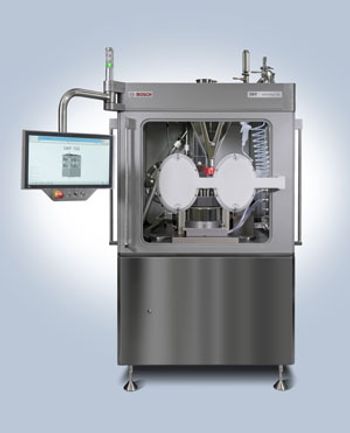
Bosch Packaging Technology’s GKF 720 capsule filling machine for small batches of hard capsules uses a fully automated, washable containment process.
After 30 years of biologic-drug advances, the industry and patients still have a lot to learn.
Biopharma seeks alternatives that meet the needs for next-gen biologic drug production.

With the right excipients, formulators can control when, where, and how an API is released.