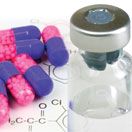

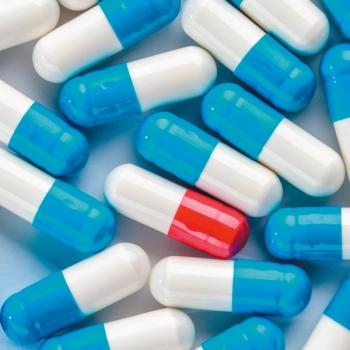
Capsules offer certain benefits over tablets for oral-solid dosage drugs, and several types of capsules are available.
Capsules offer certain benefits over tablets for oral-solid dosage drugs, and several types of capsules are available.
EMA and FDA guidance encourages design of drug products to improve patient compliance.
Amgen will collaborate with China’s Simcere Pharmaceutical Group, a R&D-driven pharmaceutical company, to co-develop four biosimilars for the Chinese market.
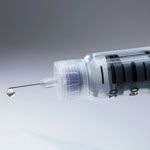
Nemera is now authorized to handle, assemble, sterilize, and store pharmaceutical drugs and medicinal products for autoinjector combination products at its facility in Neuenburg, Germany.
KBI Biopharma, a biopharmaceutical contract development and manufacturing organization, will manufacture an antibody and a fusion protein developed by Heat Biologics’ subsidiary.
FDA rejected the company’s biologics license application for its anti-rheumatoid arthritis biologic and has requested additional clinical safety data.
PTSM: Pharmaceutical Technology Sourcing and Management
UPS has revealed a new system to improve drug supply chain security, in compliance with the Drug Supply Chain Security Act (DSCSA).
This latest FDA approval expands the blockbuster anti-cancer biologic’s indications in oncology.
Glythera gains exclusive access to Cancer Research UK’s novel CDK11 inhibitor program for the development of ADCs conjugated using its highly stable conjugation platform, PermaLink.
Biopharmaceutical companies developing new competitive biotech therapies have pressed hard for clarity on the testing and data required by FDA to gain market approval of biosimilars that can be filled by a pharmacist without prescriber preapproval.
PTSM: Pharmaceutical Technology Sourcing and Management
Ajinomoto Althea opens manufacturing suites in new high potency and antibody drug conjugate commercial facility.
Under this partnership, Johnson & Johnson and BARDA will focus on the advanced development of a small-molecule drug and vaccine for the pandemic flu.
The collaboration with Immunocore, a T cell receptor company, aims to discover and develop immunotherapy molecules to treat infectious diseases.
The approval marks the first biosimilar approved in the United States for treating cancers.
European Medicines Agency’s Committee for Medicinal Products for Human Use grants a positive opinion for the approval of the biosimilar for treating breast cancer.
Shingrix represents a new, possibly better alternative to existing treatments.
The company has extended its presence in the US market to support its growing business in the region.
Merck KGaA completes the divestment of its biosimilars business as part of its strategy to focus on developing a pipeline of innovator drugs.
Pfizer’s Mylotarg, an anti-body drug conjugate once voluntarily withdrawn, returns to the market under a new dosing regimen for treating leukemia.
FDA works with industry on strategies for assuring high-quality regenerative medicines.
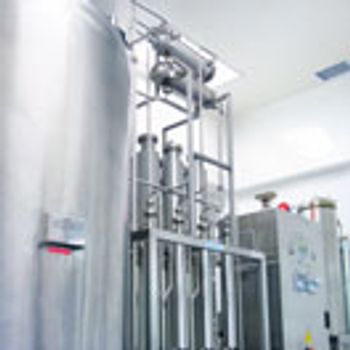
Modeling tools help process engineers optimize a biopharmaceutical facility’s capacity.

Innovation speeds discovery, drives down costs, and improves productivity.

When it comes to getting the best out of quality by design, timing is everything.
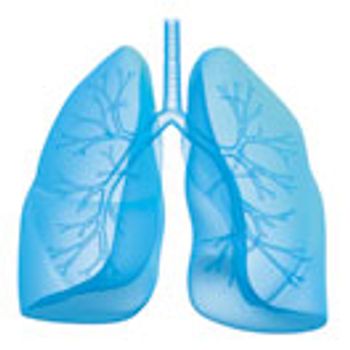
Considerations in selecting a dosage form for drug delivery to the lungs.
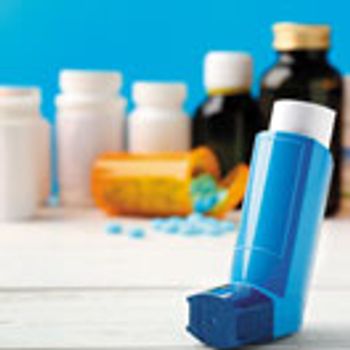
Pulmonary drug delivery is becoming increasingly used. When developing pulmonary drugs, pharmaceutical chemists must consider drug absorption, control of particle size, suitable toxicology models, and patient compliance. The author reviews the issues specific to developing drugs designed for pulmonary delivery and considers how-with the right knowledge and expertise-these challenges can be overcome.