
PTSM: Pharmaceutical Technology Sourcing and Management
ipharm set up a manufacturing line at its facility in Sweden using LIDD’s NanoZolid technology.
PTSM: Pharmaceutical Technology Sourcing and Management
ipharm set up a manufacturing line at its facility in Sweden using LIDD’s NanoZolid technology.
The agency has published a Q&A guidance document related to self-identification of facilities, review of generic drug submissions, and inspections.
Manufacturing capacity will be increased by one third and approximately 300 new high-wage and highly-skilled jobs will be created at the Fremont site.
GE Healthcare partners with Oritain for an independent test that can confirm the country of origin of fetal bovine serum (FBS), a component of biopharmaceutical production.
Industry collaboration group releases technology roadmap to address pressure on biopharmaceutical manufacturers to innovate biomanufacturing processes.
Catalent Applied Drug Delivery Institute announced a partnership with Rutgers University to examine the challenges of pediatric drug formulation and delivery.
Equipment and Processing Report
The advantages of single-use systems become clear as they become more broadly implemented.
ChargePoint Technology is expanding its US presence by opening a new office in San Francisco.
GSK plans to deliver up to 40 million doses of its quadrivalent flu vaccine for the 2017–2018 season.
The company has entered into a settlement agreement with generic-drug companies to resolve patent litigation.
Pfizer’s new format of ibuprofen (AdvilR Liqui-GelsR Minis) uses Catalent’s softgel technology to deliver the formulation in a more concentrated fill, resulting in smaller capsules.
New study shows that an antimicrobial peptide packaged in a silicon nanoparticle significantly reduced bacteria load in the lungs of mice infected with Pseudomonas aeruginosa.
The acquisition will add recombinant-based influenza vaccine to Sanofi Pasteur’s portfolio
ABEC increases the maximum capacity of its Custom Single Run Bioreactors to 4000 L, doubling the industry standard.
GE Healthcare’s Dharmacon business and CordenPharma contract manufacturing enter a strategic collaboration to accelerate the oligonucleotide development process.
After FDA found a “significant shift in the route of abuse,” Endo voluntarily removes OPANA ER from the market.
Sienna Biopharmaceuticals has filed for an IPO, expecting to raise over $74 million
A Supreme Court decision and improvements in analytical processes may speed the biosimilar approval process.
PTSM: Pharmaceutical Technology Sourcing and Management
Samsung BioLogics signs $55.5 million agreement to manufacture tildrakizumab for Sun Pharma.
The Spanish CDMO has installed a new automatic capsule filling machine at its EU GMP-approved plant in Pamplona, Spain

Industry experts discuss the single-use revolution and changes to upstream and downstream processing equipment.
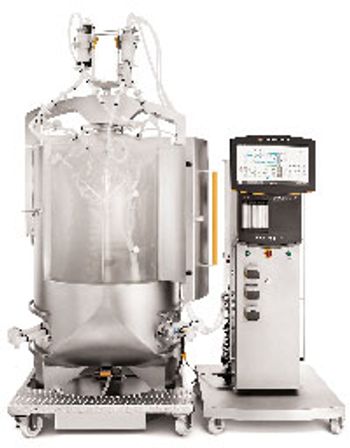
The BIOSTAT STR single-use bioreactor family from Sartorius Stedim Biotech is based on a conventional stirred-tank design.

Poly(lactide-glycolide) has been used for drug-delivery applications because of its beneficial physicochemical properties, long safety record, and reliable commercial supply.
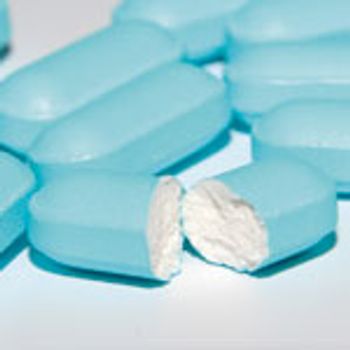
Materials and equipment innovations have advanced tablet coating from sugar to copolymers and simplified pharma production.
New ADC therapies must overcome manufacturing challenges to reach market.