
BIO and PhRMA issued statements expressing the groups’ approval of the continuation of user fee programs.
BIO and PhRMA issued statements expressing the groups’ approval of the continuation of user fee programs.
The agency sent a warning letter to Vista Pharmaceuticals Limited for CGMP failures related to equipment cleaning and process control.
The company is voluntarily recalling Sten Z and M1 Alpha capsules because the product contains derivatives of anabolic steroids, which makes them unapproved drugs.
One day after Ocular Therapeutix sent FDA a detailed response highlighting manufacturing improvements, FDA rejected its application for Dextenza, a new drug designed to alleviate post-operative eye pain.
A recent paper coauthored by FDA’s Lawrence Yu and Michael Kopcha describes how the industry might modernize drug manufacturing.
In an FDAVoice blog post, the CDER director highlighted two recent scientific advances.
FDA sent a warning letter to Shandong Analysis and Test Center for CGMP violations including data integrity issues and insufficient testing procedures.
The agency’s Pharmacovigilance Risk Assessment Committee made recommendations on the risk of multiple sclerosis treatments, injectable methylprednisolone medicines, and the use of gadolinium contrast agents.
After FDA found a “significant shift in the route of abuse,” Endo voluntarily removes OPANA ER from the market.
The agency has pushed back by one year the deadline for compliance with DSCSA serialization requirements.
ADV7103 is being evaluated in a Phase III trial in Europe in children and adults with distal renal tubulopathy acidosis. Results from the study are expected in the coming months.

CDER’s Janet Woodcock endorses modern drug manufacturing to ensure access to safe and reliable medicines.
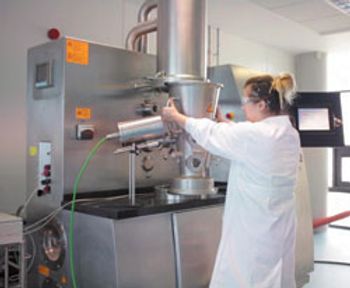
Real-time alternatives to dissolution testing are required for continuous manufacturing to reach mainstream use.

The more pharma science and technology change, the more business and policy concerns stay the same.
The opening presentation gives the company a chance to put their best foot forward, according to Siegfried Schmitt, principal at PAREXEL.

FDA is working with manufacturers to encourage industry innovation.

This article presents a general strategy for authorship of deviation investigations, with primary focus on regulatory inspection success.

Russell Madsen, president, The Williamsburg Group, and member of the Pharmaceutical Technology editorial advisory board, shares his thoughts on technology innovations and regulatory implications.
Excipients play a key role in the development in emerging dosage forms but attention to quality is crucial.

Pharma company consolidation and outsourcing led to a de-emphasis of manufacturing and reduced investment in new technologies and facilities.

Cheaper drugs are good for consumers, but cost restrictions limit drug company incentives to modernize facilities.

Regulations and business changes have altered Big Pharma’s place in the industry.

Pharma’s test of continuous manufacturing is starting with oral solid-dosage forms.

FDA’s process validation guidance has evolved and the current lifecycle approach has profoundly influenced validation practice.
Greater transparency and reliability of information are needed in the quality assessments of biosimilars.