
Effective modeling and simulation can reduce physical experimental requirements, ASD development risks, and time to market.

Cynthia A. Challener is a contributing editor to Pharmaceutical Technology.
Effective modeling and simulation can reduce physical experimental requirements, ASD development risks, and time to market.

It is essential to understand how raw material variability can create challenges in process control for autologous adoptive cell therapies.

High-concentration formulations and patient centricity are challenges to the formulation of biosimilars, which already face patent protection barriers.

The industry is shifting toward increasingly complex, precision-driven modalities for the treatment of cancer.
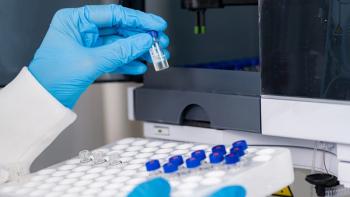
Ensuring quality, sterility, and regulatory compliance are essential when choosing analytical methods.

Technology advances are converging with cost and time pressures and formulation complexity to drive greater adoption of automated processes.

Increasing demand, complexity, and potency are driving innovation and investment in HPAPIs.

The increasing diversity and complexity of injectable drug products is driving innovation.

Artificial intelligence and machine learning are anticipated to boost success rates.

New manufacturing methods are being explored, but challenges are still present in personalized medicine development.

Artificial intelligence and machine learning can help identify complex patterns.

Hydrogels, drug-eluting contact lenses, and other implant technologies show real promise.

Unique surface properties and ligand functionalization provide real advantages.

Scientific, economic, and practical factors should be considered when choosing between the frozen state and lyophilization.

Incorporating sustainable practices into process designs as early as possible ensures optimal performance.

Advancement of emerging therapies faces hurdles across all aspects and phases of drug development and manufacturing.

Advanced solutions are improving drug dissolution, absorption, and overall therapeutic performance.

Exosomes, polymeric nanoparticles, and DNA nanostructures offer many potential advantages.

Increasing API and formulation complexity and new delivery strategies are driving innovations in taste-masking.
Process consistency and robustness, analytical excellence, and regulatory compliance are essential in the scale-up of biosimilars.

Developers save money and time while accessing expertise.

Automation technologies provide real potential to improve responsiveness and decision-making in drug development.
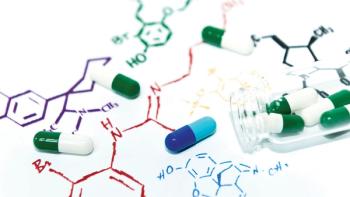
Automation, miniaturization, and new software algorithms are improving throughput and accuracy.
Sustainability of small-molecule API manufacturing ensures continued success.

The best strategy is to use a combination of complementary methods.

Insights into molecular behaviors and predictive capabilities are bringing numerous benefits.

A holistic approach to automation can provide benefits at all stages of development and manufacturing.

Platform processes and effective risk assessments help overcome time and cost challenges.

Weighing development costs/resources and performance benefits is essential.

Artificial intelligence and machine learning can help overcome poor solubility and bioavailability.

April 2nd 2024

February 2nd 2024
November 2nd 2020

November 2nd 2022
January 2nd 2021