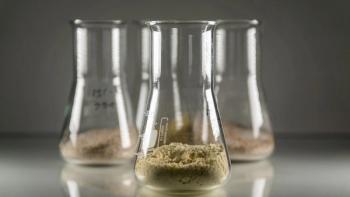
The right processes used with the right excipient combinations address evolving formulation needs.

Cynthia A. Challener is a contributing editor to Pharmaceutical Technology.
The right processes used with the right excipient combinations address evolving formulation needs.

Inhalation formulations are complex, and empirical data are essential for realizing optimal solutions.
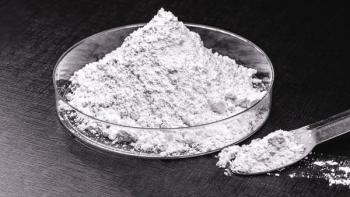
Although not easy to do, it is essential because excipients can affect drug-product safety and efficacy.

Bacteriophages could be crucial weapons in the fight against antibiotic-resistant bacteria.

Analytical approaches must keep pace to ensure the identity, safety, and efficacy of evolving mRNA candidates.

Interest in natural phytochemicals or synthetic derivatives of cannabinoids has risen.

The multispecific analysis of biologics is a complex task that requires appropriate strategies.

Dosage form and patient needs drive excipient choice.

Polymeric amorphous solid dispersions are the most commonly used technology, but amorphous APIs remain inherently unstable.

Simple, inexpensive real-time analytics are urgently needed for high value products.

SEDDS and SMEDDS improve solubility and permeability while expanding efficacy and applicability.

Drug makers are going beyond continuous improvement and green chemistry to increase the sustainability of small-molecule manufacturing.
Alternative materials, as well as supply-chain planning, are essential to ensure a reliable supply for parenteral drug packaging.

Consistency, robustness, and understanding of the API and controlled-release excipients are essential for successful drug dosing.

Data sharing facilitates traceability, transparency, and accuracy while driving efficiencies and boosting quality of active pharmaceutical ingredients.

Advances in technology are accelerating the development and manufacture of subunit vaccines, an established class of vaccines.

In addition to ADCs, other types of highly potent biologics require specialized manufacturing skills.

Mass spectrometry and automation are growing in importance for protein characterization, but further improvements are still needed.

Applying a QbD approach helps address excipient variability and other quality features.
Mass spectrometry and automation are growing in importance for protein characterization, but further improvements are still needed.

Topical drugs are attractive to patients, but these complex products pose challenges for formulators.

In a pandemic, genetic vaccines offer several advantages over traditional approaches.

Without an independent approval pathway for novel excipients, true pharmaceutical innovation could be stymied.
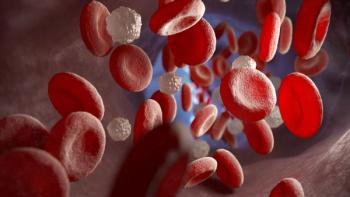
Plasma-based proteins and cell-based therapies have significant potential to address unmet medical needs.
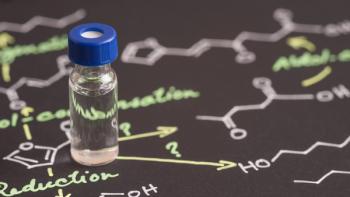
Having a clear and detailed understanding of exactly what a biomolecule entails is essential for therapeutics development.

FDA approval rate speeds up despite COVID-19 complications.

Operator, caregiver, and patient safety are at the forefront when selecting the best options and dosage forms.

A holistic approach to validation and quality assurance is essential.

Biological and analytical advances enable modern fermentation processes to deliver safe and effective next-generation medicines.

Excipients must be carefully chosen to ensure optimum protection for vaccines and live biotherapeutic products.