
The use of appropriate taste-masking and appearance technologies can facilitate patient compliance.

Cynthia A. Challener is a contributing editor to Pharmaceutical Technology.
The use of appropriate taste-masking and appearance technologies can facilitate patient compliance.

Developing freeze-drying processes requires patience and deep product and process understanding.

Advanced oral dosage forms allow for modulation of controlled- and sustained-release profiles.

Activation and expansion are essential for success in both autologous and allogeneic therapies.

Continuous manufacturing and a quality-by-design development approach are a natural fit.

Buffers, stabilizers, and cryoprotectants play major roles in cell therapy formulations.

Matching excipients to API properties is essential.

Predictive modeling facilitates the identification of coformers, cocrystal components, and complexing agents.

Sustainability advances are being made, but more investment is needed.

Coprocessed excipients save time and cost while improving performance in a widening array of dosage forms.

The biggest hurdle is developing palatable formulations that are efficacious and patient friendly.

Sample dilution, sensitivity, excipient interference, and containment are key issues that must be addressed.

Nanotech-based delivery technologies are receiving significant attention.

Process control is essential for using continuous hot-melt extrusion to enhance solubility.

Lipids aren’t the only important ingredients influencing stability and in vivo performance.

Unique solutions are required to protect inherently unstable messenger RNA.

Impurities and batch-to-batch variability present the biggest challenges.

Lipids aren’t the only important ingredients influencing stability and in vivo performance.

Key challenges posed to autologous and allogeneic treatments could be resolved by in-vivo CAR-T gene therapies.

Topical eye treatments can be beneficial for patients with a growing array of eye diseases, but only if taken appropriately.

In vivo CAR-T gene therapies could resolve challenges faced by autologous and allogeneic treatments.

Inhaled vaccines must resist degradation and penetrate the mucosal lining in the airways and lungs.

Unique solutions are required to protect inherently unstable messenger RNA.

High-concentration injectable formulations present unique challenges.
Production of viral vectors requires a holistic view of the product, including its manufacturing process and its ultimate end use.

Numerous benefits will eventually lead to large-scale applications in pharmaceutical manufacturing.
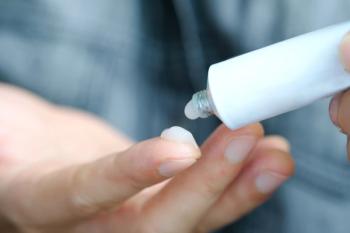
API permeation into the skin modulates the efficacy of topical treatments.

Further advances in construct design and manufacturing scalability are still needed.
Biosimilar data analysis must demonstrate a correlation between structure and function.

Lack of toxicity data and poor physicochemical properties must be overcome.