
Facility and equipment design are important, but the team and its experience matter most.

Cynthia A. Challener is a contributing editor to Pharmaceutical Technology.
Facility and equipment design are important, but the team and its experience matter most.

Equipment and facility cleaning is crucial, with more extensive protocols needed for some biologics.

Risk-based decision-making is impacting all aspects of manufacturing quality from raw material supply to facility inspections.
FDA relies on risk assessments, border inspections, and compliance histories in place of routine audits during the COVID-19 pandemic.

Understanding and overcoming excipient variation are crucial for successful continuous processes.

RNA is easier to manipulate than DNA but challenging to deliver to the right cells.

The correct mix of excipients is crucial to the success of fast dissolving/orally disintegrating dosage forms.
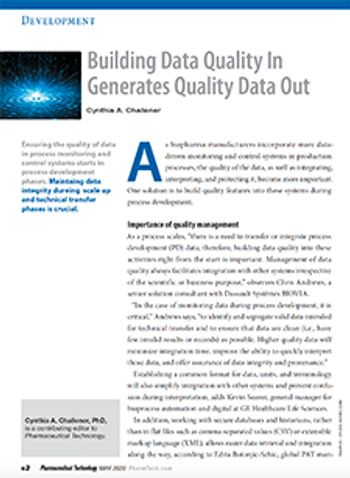
Ensuring the quality of data in process monitoring and control systems starts in process development phases.

Many antibody-drug conjugate therapies are in the pipeline; however, only a handful have been approved. What are the bottlenecks?

Experience, communication, collaboration, transparency, planning, and prioritization contribute to success.

Biopharma companies responding to the COVID-19 outbreak think accelerating the development of vaccines is safe.
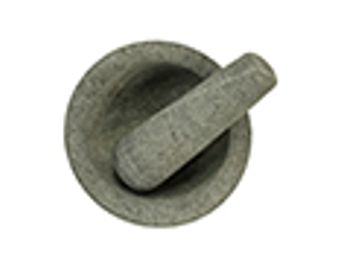
Formulating fixed-dose combination drugs proves more complex than simply adding one ingredient to another.

Researching excipient grades and sources, as well as screening suppliers and materials, form the basis of programs to mitigate risk.

Analytical solutions are improving for raw material testing, drug product release process development, and more.

Pharmaceutical Technology's In the Lab eNewsletter
There is intense focus on the prevention and control of viral contaminants during viral vector manufacturing, which is driving the need for more accurate and powerful analytical methods for detection.

FDA’s approval rate slowed, but the US agency is still ahead of its international counterparts in green-lighting new drugs for market.

The key is to ensure that excipients only interact with APIs via desired mechanisms.

Pharmaceutical Technology's In the Lab eNewsletter
Using automation and taking a step-by-step approach can facilitate the process of selecting a top-quality cell-line source.

Several factors must be considered when reformulating APIs for pediatric, geriatric, and other specialty patient populations.

Limited guidance and numerous challenges create confusion about the scope and timing of stability testing for drugs in development.

Innovation in manufacturing technologies must occur to ensure the availability of gene therapies and cell therapies.

The evolution of cell-culture technology is driving the need for improvements in modeling solutions.

A design strategy can ensure conflicting properties are managed appropriately for multi-API controlled-release formulations.

Sterile filtration is often required for biologics but presents degradation and compatibility challenges.

Nanotechnology is enabling enhanced bioavailability, improved stability, and targeted delivery of challenging APIs.

Pharmaceutical Technology's In the Lab eNewsletter
Continuous manufacturing poses its own unique challenges to real-time monitoring of product- and process-related impurities.

Excipients and new processing techniques can make a real difference in the development of highly potent therapies.
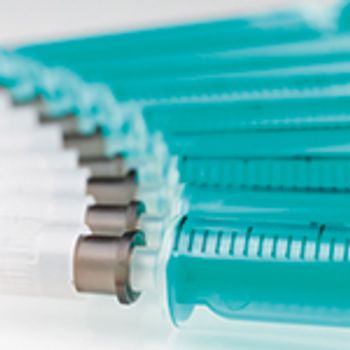
Empty and prefilled syringes must pass a range of quality control tests.

Knowing the source and understanding the impact on CQAs is crucial to optimum drug formulation and processing.

Confidence in the quality systems and scientific competence of the API manufacturing team is essential.