



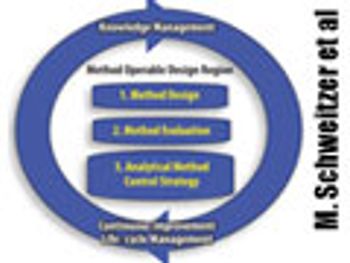
The authors present two concepts to improve robustness and facilitate continuous improvement in analytical methods. This article contain bonus online material.
Accurately targeted immunotherapies through reliable neoantigen recognition enable personalized medicine development.

Activation and expansion are essential for success in both autologous and allogeneic therapies.

Continuous manufacturing and a quality-by-design development approach are a natural fit.

The authors present two concepts to improve robustness and facilitate continuous improvement in analytical methods. This article contain bonus online material.

Leading experts share insight on the current and future direction of process analytical technology. This article contains bonus online material.

Pharmaceutical Technology Europe
The authors present two concepts to improve robustness and facilitate continuous improvement in analytical methods.
Pharmaceutical Technology Europe
References for the article published in the February issue of Pharmaceutical Technology Europe.

Pharmaceutical Technology Europe
Eran Gabbai, CEO and President of Do-Coop Technologies, explains the benefits of a new water-based nanotechnology.
ePT--the Electronic Newsletter of Pharmaceutical Technology
Novartis CEO To Step Down; DSM To Close Netherlands Facility; And More.
ePT--the Electronic Newsletter of Pharmaceutical Technology
FDA Issues Warning Letter To McNeil Healthcare; Charles River Laboratories Will Suspend Operations At Massachusetts Facility.
Equipment and Processing Report
Could flexible manufacturing change the standards for biopharmaceutical production? To find out, Equipment and Processing Report talked to James Robinson, vice-president of technical and quality operations at biotechnology company Novavax (Rockville, MD).
Equipment and Processing Report
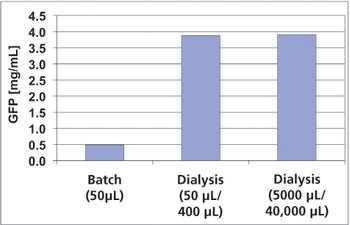
The authors sought to improve the productivity of protein synthesis by using a highly active cell-free extract from Escherichia coli and by optimizing buffer conditions and shaking conditions.
ePT--the Electronic Newsletter of Pharmaceutical Technology
The United States Pharmacopeial Convention is recalling USP 33?NF 28.
ePT--the Electronic Newsletter of Pharmaceutical Technology
Bioject Medical Technologies establishes alliance with MPI Research; Biogen Idec CEO to retire; And More.
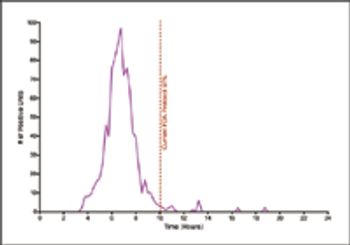
This study used biological indicators containing Geobacillus stearothermophilus spores and a new technology to continuously monitor incubated BIs and record nonsterile results.

Team leaders in FDA's Office of Generic Drugs provide an overview.

Plus, novel dosage forms and emerging trends.

From healthcare to corruption to life expectancy, here's what we can learn from the past decade.

Directors and staff miss the mark when it comes to following procedures.
Pharmaceutical Technology Europe
Tumour-penetrating microparticles (TPM), drug delivery vehicles that have been designed to specifically target and infiltrate peritoneal tumours, are more efficacious than standard chemotherapy, according to our preliminary research data.
ePT--the Electronic Newsletter of Pharmaceutical Technology
BioNanomatrix (Philadelphia) names Edward Erickson president and CEO; and More.
ePT--the Electronic Newsletter of Pharmaceutical Technology
Merck & Co. Acquires Avecia Biologics; Ambrilia Biopharma Closes Manufacturing Facility; And More.
ePT--the Electronic Newsletter of Pharmaceutical Technology
Also, Abbott to acquire Starlims Technologies; GSK Biologicals to form alliance with Intercell.
ePT--the Electronic Newsletter of Pharmaceutical Technology
Company and People Notes: Also, Pfizer and Protalix enter agreement; Watson acquires Arrow Group; and more.
ePT--the Electronic Newsletter of Pharmaceutical Technology
Also, Merck & Co. extends collaboration with Idera Pharmaceuticals; Pfizer establishes R&D center in China; more...

Readers can learn about the importance of measuring and controlling water activity in a comprehensive new book.

Particularly in a more connected world, individual contributions can make a difference.

Dumbed-down presentations and poor speaker selections are destroying a valuable industry tool.