




Drug Development
Latest News
Advertisement
Research into Cold Cancers Heating Up
Accurately targeted immunotherapies through reliable neoantigen recognition enable personalized medicine development.
Development of Gamma-Delta T-Cell Therapies
Activation and expansion are essential for success in both autologous and allogeneic therapies.
QbD for Small-Molecule Continuous Process Development
Continuous manufacturing and a quality-by-design development approach are a natural fit.

Latest Videos
Shorts
0:32
How the Right FDA Strategy Saves Millions
2 months ago
by
Sandra Coufal, MD(+2 more)

0:20
The Just-in-Time Challenge of Cancer Drugs
2 months ago
by
Nicholas Richardson(+1 more)
0:23
Navigating the Double-Layer of Cancer Drug Regulations
3 months ago
by
Nicholas Richardson(+1 more)
0:30
Why Slow-Release Medication is Safer
3 months ago
by
Sandra Coufal, MD(+2 more)

0:25
When Virtual Groups Don't Work
3 months ago
by
Laura Lotfi(+1 more)
0:27
The New Pattern in Clinical Trials
3 months ago
by
Laura Lotfi(+1 more)
0:27
Challenges of Virtual Control Groups
3 months ago
by
Laura Lotfi(+1 more)
0:14
The Truth_The FDA Does Not Approve Excipients
3 months ago
by
David Schoneker(+1 more)
0:29
What Drives New Excipient Development?
3 months ago
by
David Schoneker(+1 more)
0:14
Why Truly 'Novel' Excipients Are So Rare
4 months ago
by
David Schoneker(+1 more)
Advertisement
More News
This week, the industrialization of advanced biologics, sustained regulatory and investment momentum behind next-generation therapeutics, and an ongoing push across the supply chain to improve standardization and efficiency were themes covered on PharmTech.

The agency approved palbociclib with trastuzumab, with or without pertuzumab, and endocrine therapy for the maintenance treatment of HR-positive, HER2-positive metastatic breast cancer.

The FDA's revised draft guidance updates master protocol recommendations on randomization, control groups, blinding, and regulatory submissions for multi-drug trials.

Merck is collaborating with Versant Ventures to establish a portfolio of treatments for rare genetic cardiomyopathies. The company also announced the winners of its 2026 Future Insight Prize and its 2026 North American Advance Biotech Grant.

IPEC’s EIP user guide streamlines information exchange and response times while increasing accuracy through standardization.
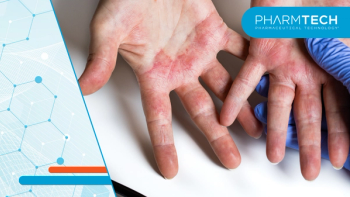
AbbVie acquires Apogee Therapeutics for $10.9 billion, gaining zumilokibart, a long-acting injectable targeting atopic dermatitis and asthma with once-quarterly dosing potential.

PharmTech Europe's June 2026 issue reflects the convergence of compliance burden, cost pressure, analytical complexity, and patient access.
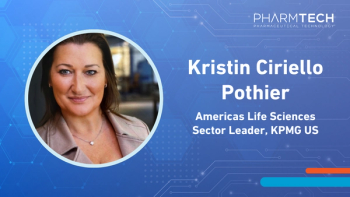
Kristin Ciriello Pothier, KPMG US, discusses why pharma dealmaking slowed in early 2026, but how AI partnerships, manufacturing acquisitions, and oncology are driving a second-half rebound.
Kristin Ciriello Pothier, KPMG US, explains why supply chain resilience and platform technology diligence are reshaping biopharma M&A valuations globally.
Kristin Ciriello Pothier, KPMG US, discusses biopharma dealmaking shifting toward strategic precision, with oncology, GLP-1s, and manufacturing complexity reshaping M&A valuations in 2026.
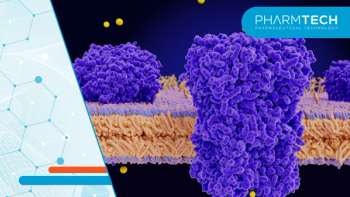
The FDA priority review granting of AstraZeneca’s ravulizumab reinforces the commercial and scientific rationale for sustained investment in complement biology platforms.

Treatment pipelines for rare diseases have never been more promising. Optimizing their impact will require integrated, precision-first CDMO support systems.
GSK's momelotinib receives US and EU orphan drug designations for VEXAS syndrome, a rare myeloid disorder with 30–40% five-year mortality and no approved treatments.
Tom Sellig, Adare, discusses 3D-printed tablets, US reshoring investment, FDA timeline pressures, and workforce development strategies driving CDMO growth.

The EMA’s annual report shows the agency approved 104 human drugs in 2025 that included first-in-class and first-in-indication therapies.

GSK boosts oncology pipeline with Nuvalent acquisition, advancing FDA-designated ROS1/ALK inhibitors for NSCLC and expanding kinase inhibitor drug development in lung cancer.
Nicholas Richardson, vice president of clinical development at Precision for Medicine, explains why radiopharmaceuticals are unique for patients with cancer and what makes them challenging to develop for those patients.
J&J and Roche commit billions to protein degrader platforms, signaling a new era in oncology drug development with major manufacturing implications.
Regulatory reform, patient access, and supply chain security were 3 of the key themes showcased this week on PharmTech.com.

The established safety profiles, dosing regimens, and manufacturing pathways of repurposed generics can significantly shorten timelines and reduce costs as alternative cancer therapies.
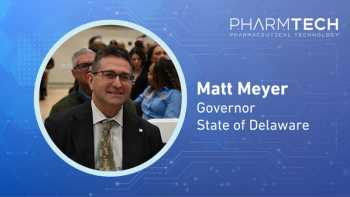
At CPHI Americas, Delaware Gov. Matt Meyer argues domestic pharma manufacturing is a national security priority and positions Delaware as the ideal reshoring hub.

Changes in regulations are reducing costs, expediting approval, and increasing the market for biosimilars.

EMA, AMA, and national regulatory authorities in Africa are working on potential clinical trial designs and medical treatments for the Ebola outbreak in the DRC and Uganda.

The organization’s set of product-specific biologics emerging standards are available on its Emerging Standards Platform for public comment.
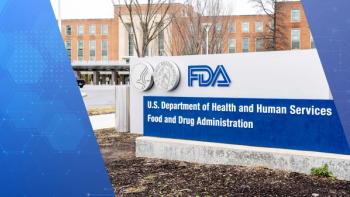
FDA instability, staff turnover, and evolving review standards are reshaping drug development. Richard Pazdur, formerly with the FDA, shares what sponsors need to know now.
Advertisement
Advertisement
Trending on Pharmaceutical Technology
1
What Does Moderna's mRNA Flu Vaccine Approval Signal?
2
Why the Orzeyful Approval Matters Beyond One Drug Class
3
How to Maintain a Productive Sponsor-CMO Relationship
4
What the OSTP’s New Policy Blueprint Means for Pharma Manufacturing and Development
5