




Drug Development
Latest News
Advertisement
Research into Cold Cancers Heating Up
Accurately targeted immunotherapies through reliable neoantigen recognition enable personalized medicine development.
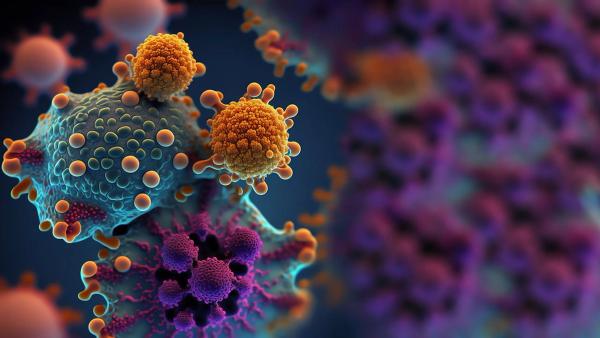
Development of Gamma-Delta T-Cell Therapies
Activation and expansion are essential for success in both autologous and allogeneic therapies.

QbD for Small-Molecule Continuous Process Development
Continuous manufacturing and a quality-by-design development approach are a natural fit.

Latest Videos


Shorts
0:42
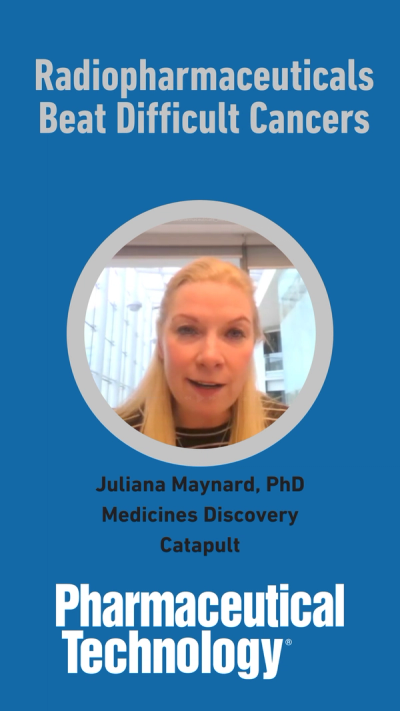
Radiopharmaceuticals Beat Tough Cancers Like Prostate and Neuroendocrine
9 months ago
by
Susan Haigney
Advertisement
More News

The FDA approved the first generic dapagliflozin tablets, opening a competitive US market for pharma manufacturers and generic-drug developers.

Biocon launches two FDA-approved interchangeable denosumab biosimilars in the US, targeting osteoporosis and bone metastasis in a $5B market.

Co-Processed Excipients: Practical Engineered Solutions for Modern Pharmaceutical Challenges
ByIPEC-Americas,Gina Marsee,Katherine Ulman,Joseph Zeleznik,Candy Reynolds Cummings ,Priscilla Zawislak,Bob Sulouff ,David Schoneker
Published: | Updated:
This article details what co-processed excipients are and how they are made.

Gene therapy AFTX-201 advances into multinational clinical trials, targeting the genetic root cause of BAG3-associated dilated cardiomyopathy with an engineered capsid.
The industry is seeing a shift toward integrated process intelligence and new regulatory pathways.

Indirect data suggest oral semaglutide outperforms orforglipron on weight loss and tolerability, with patients also favoring its treatment profile.

The FDA approves orforglipron (Foundayo), the first oral, non-peptide GLP-1 for obesity, the fastest NME approval under the new CNPV program.

Lilly acquires Centessa for $6.3B, gaining an orexin receptor agonist pipeline targeting narcolepsy and other sleep-wake disorders.

The agency has issued a draft qualification opinion on a new preclinical research methodology.

Lilly licenses Insilico's AI drug discovery platform in a deal worth up to $2.75B, signaling a shift in how novel therapeutics are identified.

During its March 2026 meeting, the agency’s Committee for Medicinal Products for Human Use approved treatments for Bacillus Calmette-Guérin unresponsive non-muscle invasive bladder cancer, relapsed extensive-stage small cell lung cancer, activated phosphoinositide 3-kinase delta syndrome, and oedema of cardiac, renal, hepatic origin, and hypertension in children.

Excipients contribute to more sustainable practices throughout the life cycle of a drug.
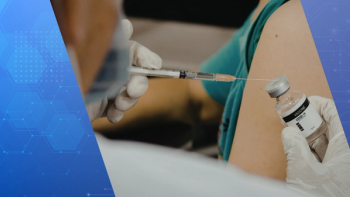
EMA approved Johnson & Johnson’s daratumumab SC for self-administration, Europe’s first oncology injectable to offer this treatment flexibility.

Merck acquires Terns Pharmaceuticals for $6.7B, gaining TERN-701, a promising oral CML therapy with a novel mechanism and early Phase I/II clinical data.

European biotech companies are exploring new therapeutic targets on T-cells to overcome drug resistance and improve clinical outcomes in cancer.
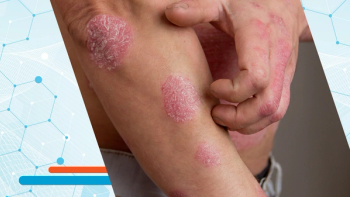
The FDA approves icotrokinra, the first targeted oral peptide blocking the IL-23 receptor, for moderate-to-severe plaque psoriasis with Phase III data across 2,500 patients.
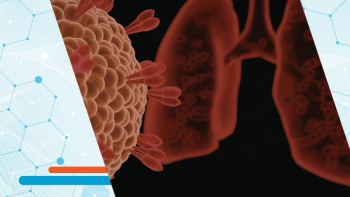
The new €3.2M (US$3.7M) research lab will investigate immunogenic cell death mechanisms in lung cancer to improve how existing therapies trigger immune response.
This week, the industry experienced accelerated digital transformation, regulatory evolution, and a strategic shift toward complex, patient-centric modalities.

Rare disease drugs are forecast to exceed $400B by 2032, driven by policy shifts and pipeline growth, despite competition from large-indication products.

The two companies have entered into a licensing agreement to commercialize biosimilars in Latin America.
FDA approves leucovorin for cerebral folate deficiency, signaling how literature-based evidence can support rare disease approvals without clinical trials.

The industry is shifting toward increasingly complex, precision-driven modalities for the treatment of cancer.
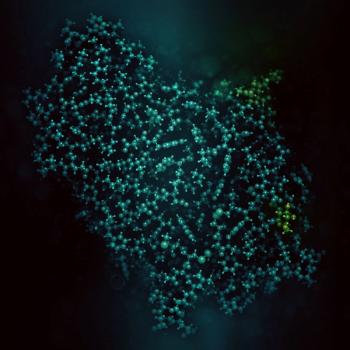
The 2mg/kg every-4-weeks dosing regimen for pegunigalsidase alfa in adults with Fabry disease who are stable with an enzyme replacement therapy has been approved in Europe.
Developments across the sector highlight a period of rapid acceleration and structural modernization.
Teclistamab plus daratumumab gains FDA approval for relapsed/refractory multiple myeloma, showing 83% reduction in disease progression versus standard care.
Advertisement
Advertisement
Trending on Pharmaceutical Technology
1
What Jideytro's Approval Means for Drug Developers
2
Midyear 2026 Industry Report: Taking Stock of Pharma Manufacturing, AI, and Regulatory Trends
3
European Biotechs Reshaping Respiratory Disease
4
Q&A: Pharma AI in 2026: Discovery Solved, Execution Still Manual
5