

Drug Development
Latest News
Advertisement
Research into Cold Cancers Heating Up
Accurately targeted immunotherapies through reliable neoantigen recognition enable personalized medicine development.
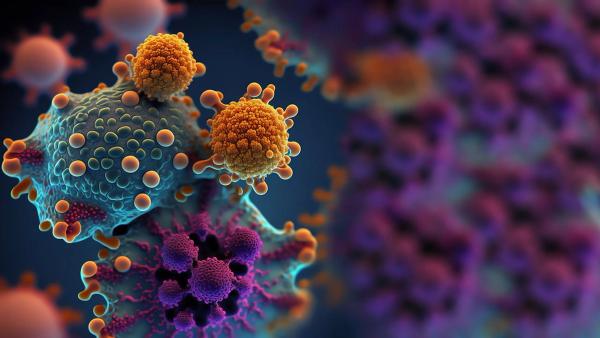
Development of Gamma-Delta T-Cell Therapies
Activation and expansion are essential for success in both autologous and allogeneic therapies.

QbD for Small-Molecule Continuous Process Development
Continuous manufacturing and a quality-by-design development approach are a natural fit.

Latest Videos
Shorts
0:18
The Struggle of Clinical Trials for Rare Diseases
5 months ago
by
Susan Haigney
0:24
The Truth About Competition in Rare Disease Drugs
5 months ago
by
Susan Haigney
0:17
The Mindset of a Successful CEO
5 months ago
by
Susan Haigney
0:30
Why STEM Programs Matter–Closing the Leadership Gap
6 months ago
by
Susan Haigney
0:19
Developing Smarter Therapies for Cancer Patients
6 months ago
by
Susan Haigney
0:15
Why Early STEM Engagement is Crucial for Human Health
6 months ago
by
Susan Haigney
0:44
Key Biopharma Trends That Emerged in Q3 2025
9 months ago
by
Patrick Lavery
0:31
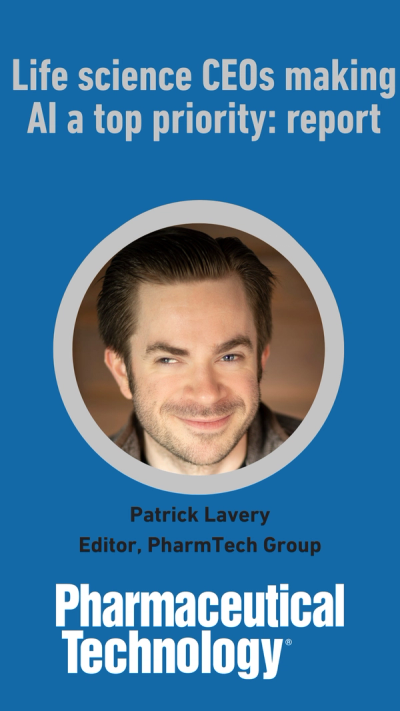
Life Science CEOs Making AI a Top Priority: Report
9 months ago
by
Patrick Lavery
0:35
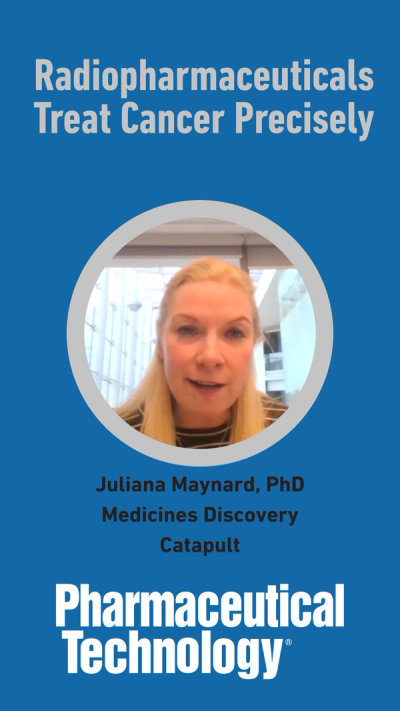
How Radiopharmaceuticals Target and Treat Cancer Precisely
9 months ago
by
Susan Haigney
0:33
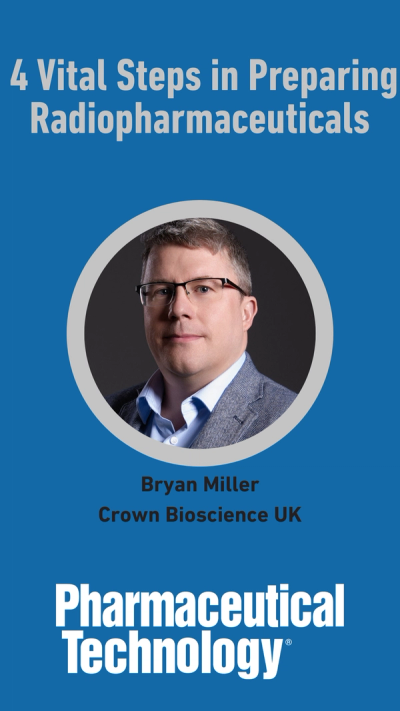
The 4 Vital Steps in Preparing Radiopharmaceuticals for Cancer Therapy
9 months ago
by
Susan Haigney
Advertisement
More News
Sandra Coufal, Toragen, discusses her team's research targeting precancerous cervical cells, backed by a Gates Foundation grant and world-class advisors.

Lilly acquires three biotech firms for up to $3.83 billion, targeting vaccines that may prevent not just infection but also downstream neurological and oncological disease.
Sandra Coufal, Toragen, shares promising Phase I results showing dramatic HPV DNA reductions and tumor shrinkage, with Phase II set to confirm efficacy and safety.
Increased regulatory flexibility for rare diseases, a critical shift toward automated, data-driven manufacturing, and strategic acquisitions in genetic medicine were some of the highlights this week.
Sandra Coufal, MD, Toragen, discusses advancing TGNS15 with strong IP, liquid formulation, and an accelerated FDA pathway, potentially saving millions on IND-enabling studies.
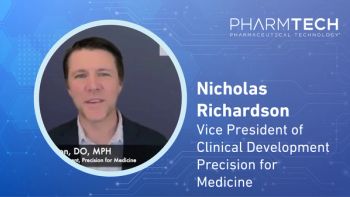
Nicholas Richardson, vice president of clinical development at Precision for Medicine, explains why radiopharmaceuticals are unique for patients with cancer and what makes them challenging to develop for those patients.

Lilly’s Engage Bio acquisition adds a preclinical non-viral DNA delivery platform to its genetic medicines development portfolio.
Sandra Coufal, MD, Toragen, discusses how TGN-S15's preferred enantiomer showed no neurotoxicity and reduced tumor growth, supporting development of the oral cancer drug.

2026 regulatory shifts are accelerating rare disease drug approvals and reshaping clinical development, evidentiary standards, and pharmaceutical manufacturing strategies.
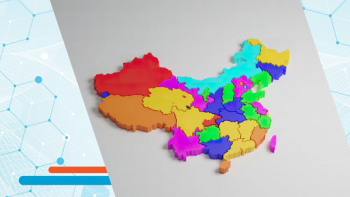
Bristol Myers Squibb’s Hengrui agreement underscores how China-based early development may influence portfolio and manufacturing decisions.
This week's roundup features coverage from Excipient World and INTERPHEX, including discussions on proactive risk management, the rise of advanced modalities, and the integration of flexible, tech-enabled infrastructure.

Lilly expanded its Indiana manufacturing investment by $4.5 billion to support tirzepatide, oral glucagon-like peptide-1, and genetic medicines.
In part 4 of a multi-part series, David Schoneker, president, Black Diamond Regulatory Consulting, gives a preview of the workshop, Risk Based Framework for Development of New Excipient Products, at Excipient World 2026.

High-concentration formulations and patient centricity are challenges to the formulation of biosimilars, which already face patent protection barriers.

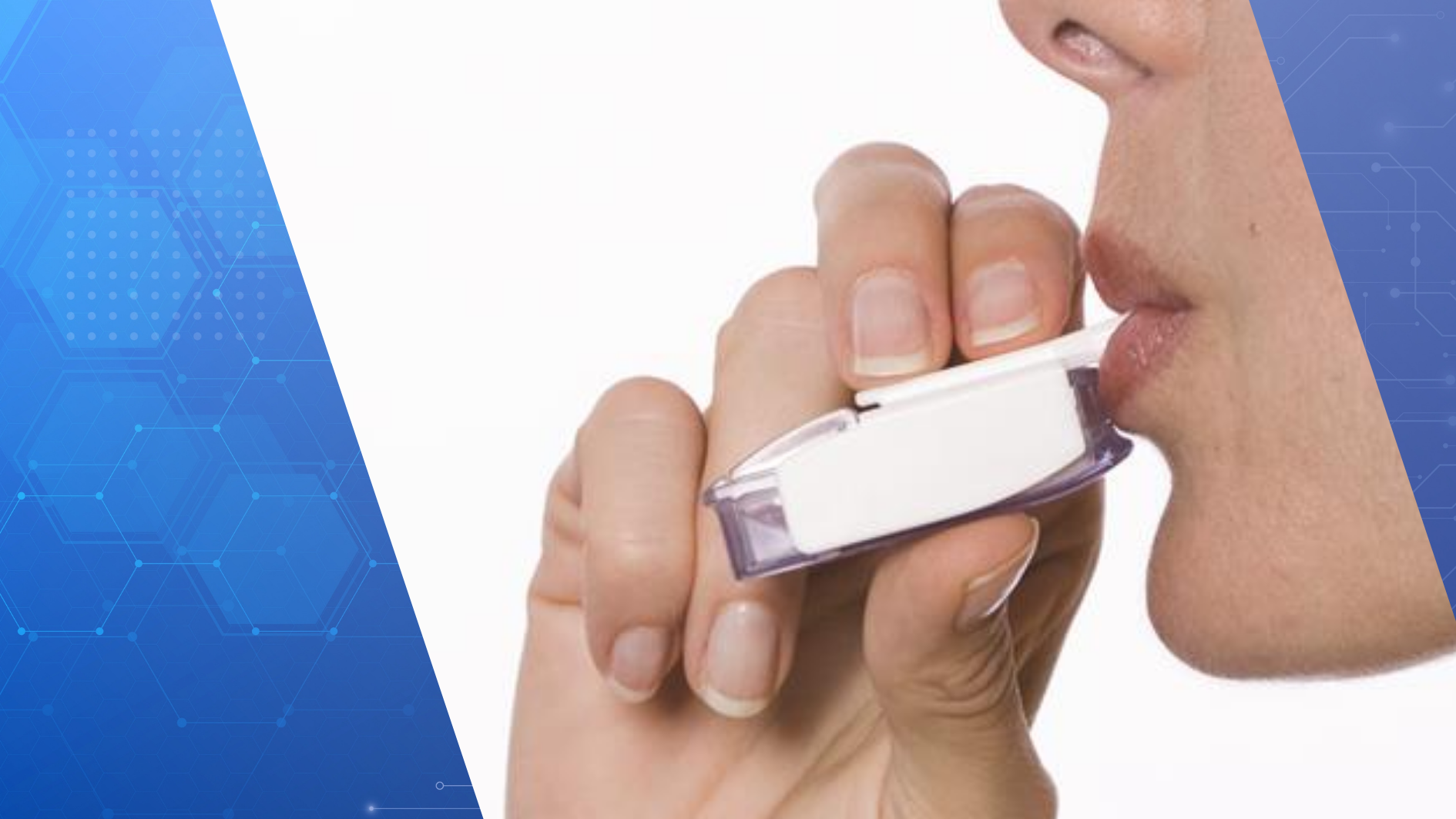
FDA approves AstraZeneca's Breztri as the first single-inhaler triple therapy for asthma in patients 12+, a new precedent for respiratory drug developers.

Panelists at INTERPHEX 2026 talked about the move to hybrid modeling for process development and the barriers to the adoption of artificial intelligence in pharmaceutical manufacturing.
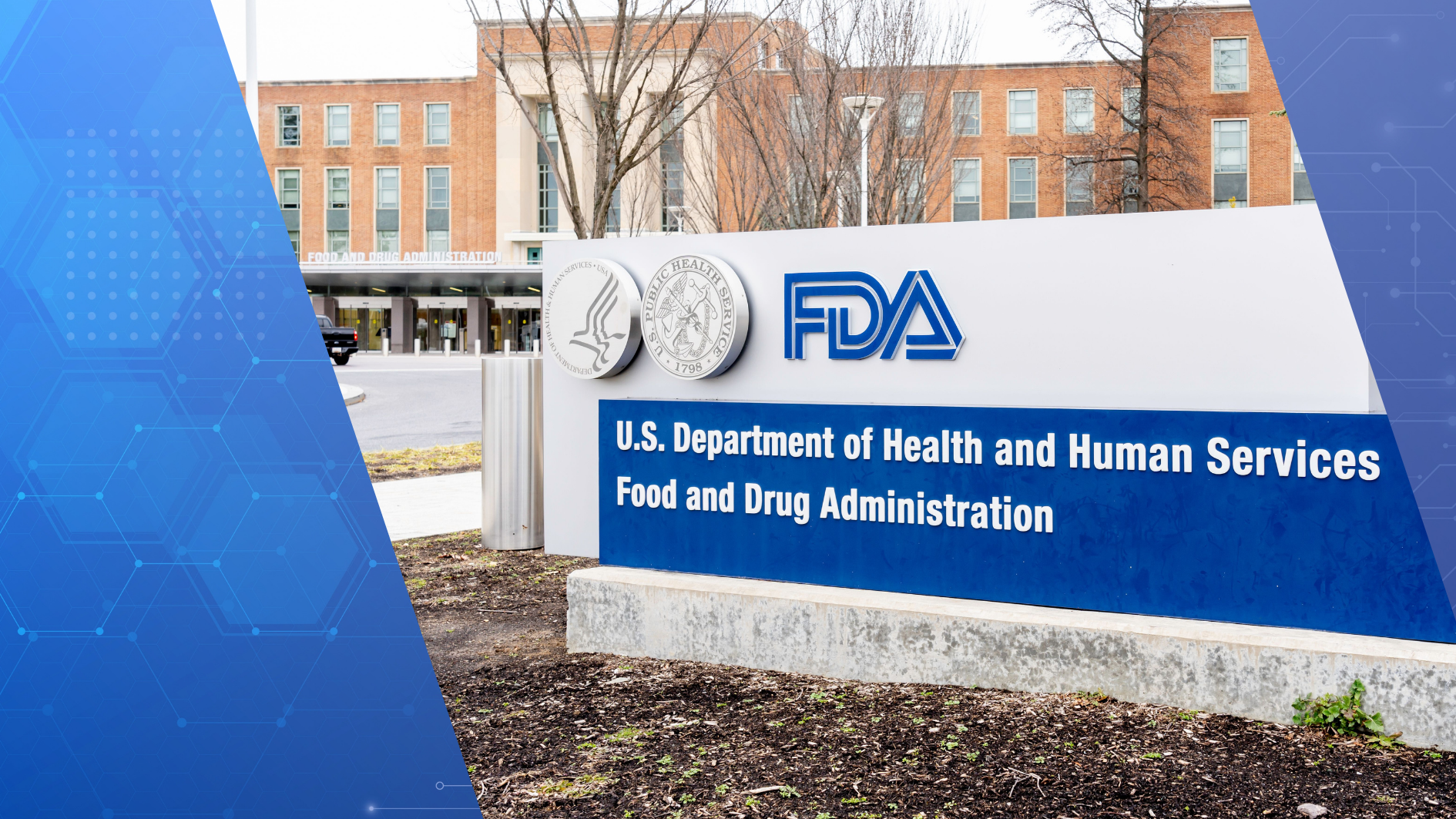
The agency is celebrating the achievement of key first year goals in implementing the Roadmap to Reducing Animal Testing in Preclinical Safety Studies.

FDA grants full approval to sparsentan for FSGS, the first-ever treatment for the rare kidney disease, backed by Phase III data showing 48% proteinuria reduction.
CPHI Americas 2026 tackles pharma's pressing challenges such as: regulatory shifts, AI in drug discovery, biologics innovation, and supply chain resilience.
Regeneron and Telix announce a 50/50 radiopharma collaboration, combining antibody expertise with specialized manufacturing to develop next-generation cancer therapies.

European Biotechs are utilizing AI and precision medicines to improve the personalized treatment of cardiovascular disease.

FDA rejects Replimune's melanoma therapy despite breakthrough designation, raising urgent questions about regulatory consistency and accelerated approval pathway reliability.
BMS and Oxford BioTherapeutics partner to develop tumour-selective T-cell engagers, signalling pharma's growing reliance on specialist discovery platforms.
The FDA approved the first generic dapagliflozin tablets, opening a competitive US market for pharma manufacturers and generic-drug developers.

Biocon launches two FDA-approved interchangeable denosumab biosimilars in the US, targeting osteoporosis and bone metastasis in a $5B market.
Advertisement
Advertisement
Trending on Pharmaceutical Technology
1
What Jideytro's Approval Means for Drug Developers
2
Midyear 2026 Industry Report: Taking Stock of Pharma Manufacturing, AI, and Regulatory Trends
3
European Biotechs Reshaping Respiratory Disease
4
Q&A: Pharma AI in 2026: Discovery Solved, Execution Still Manual
5