


Roche Details Restructuring Plan; Sigma-Aldrich Names Successors after CEO's Death; and More.
Roche Details Restructuring Plan; Sigma-Aldrich Names Successors after CEO's Death; and More.
Equipment and Processing Report
To find out about the regulatory, formulation, and manufacturing considerations involved in developing a new device to deliver a drug, Equipment and Processing Report talked to Paul Wotton, CEO of Antares Pharma.
Eli Lilly Acquires Avid Radiopharmaceuticals; EMA Recruiting New Director; and More
The market for orally disintegrating and fast dissolving tablets could exceed revenues of $13 billion by 2015 based on upward global growth trends, according to a report from Technology Catalysts International, a technology transfer and business consulting firm based in Virginia.
sanofi acquires BMP Sunstone; DCAT Names President; and More.
FDA Holds Biosimilars Public Hearing
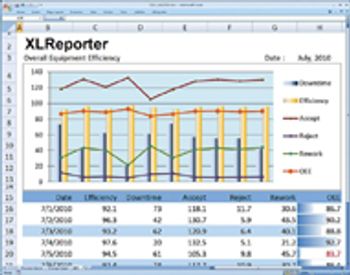
Editors' picks of pharmaceutical science and technology innovations.
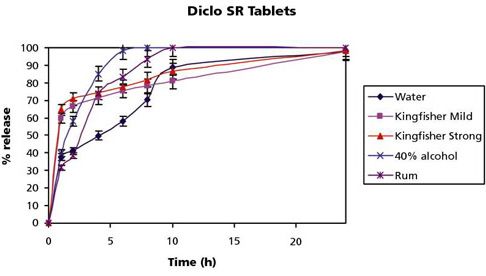
Abuse-deterrent combination drugs represent a niche area in formulation development.

USP is working to ensure quality standards and to increase public information.

An analysis of the approaches and tools used to tackle the problem of poorly soluble drugs.
Today begins the two-day public hearing being held at FDA headquarters in Rockville, MD, to gain public in put on how to implement and regulate the follow-on biologics pathway that was cleared via President Obama's Biologics Price Competition and Innovation Act of 2009, which falls under the 2010 approved healthcare reform legislation.

As technology advances, industry's needs are growing.

Scientists and practitioners must work together for the overall good of the patient.
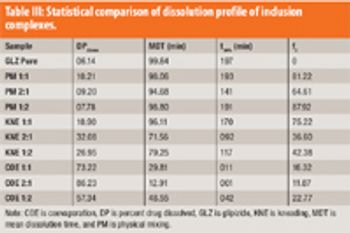
The authors describe the development of an inclusion complex of GLZ and formulated an extended-release dosage form based on osmotic technology.
Remaining calm, cool, and collected during mergers and inspections is a feat in itself.
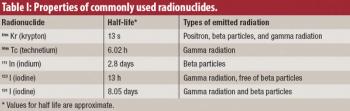
The authors discuss gamma scintigraphy as a technique for in vivo evaluation of drugs and delivery systems.
The authors demonstrated that ODTs can be obtained by direct compression of a mixture of starch, fructose, and SMCC.

Connecting science and policy might increase support for innovation.
The authors present an update to the Wyeth/BASF experience with the IPEC Novel Excipient Safety Evaluation Procedure.

Stuart Needleman, president of active-ingredient development and manufacturing at Aptuit, discusses industry trends and challenges.
The author reviews key considerations for formulating powders for use in inhalers. This article is part of a special Drug Delivery issue.
Microbubbles can temporarily open many biological barriers for polar molecules, macromolecules, and particles. Scientists have brought well-known contrast agents back to the laboratory and redesigned them as drug carriers. This article is part of a special Drug Delivery issue.
A review on the current status of long-acting injectables, including commercially marketed products. This article is part of a special Drug Delivery issue.
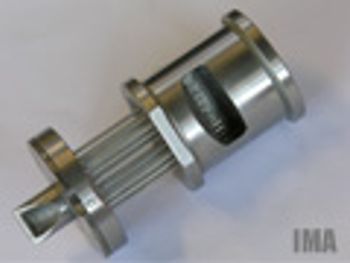
The authors describe an alternative approach to compressing and coating minitablets for use in a sustained-release, solid oral-dosage form. This article is part of a special Drug Delivery issue.
The author outlines how to choose carriers and capsule shells according to dosage requirements and intended use. This article is part of a special Drug Delivery issue.