
The author describes the development of small-angle X-ray scattering and analyzes its advantages in the characterization of drug-delivery systems and large molecules. This article is part of a special Analytical Technology issue.

The evolution of therapeutic modalities drives the adoption of single-use technologies.

Despite its understandable hesitancy, the pharma industry is facing a need for more widespread adoption of cloud-based solutions.

Given the criticality of fill/finish processes, it is clear that automation is the next technological step.

The author describes the development of small-angle X-ray scattering and analyzes its advantages in the characterization of drug-delivery systems and large molecules. This article is part of a special Analytical Technology issue.

Pharmaceutical Technology Europe
Using new co-processing technologies, the authors show that it is possible to formulate an 'all-round' excipient.
Pharmaceutical Technology Europe
The benefits that can be gained by integrating single-use systems into a commercial cell culture facility depend on whether the systems are to be used in an existing or a new facility. It is usually more beneficial to use Single-use systems in a new facility because this offers the opportunity to reduce the requirements for floor space and to reduce or eliminate the need for utilities, such as steam, ventilation, cleaninplace systems, water systems, etc.

Pharmaceutical Technology Europe
The FDA has issued a final rule that clarifies what safety information must be reported during clinical trials of investigational drugs and biologics.
The authors discuss the approach taken to develop a new calibration approach, its associated protocols, and how it can be used to calculate data.
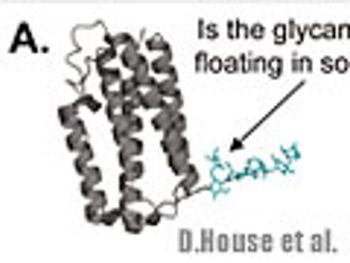
The authors review and discuss the influence of glycans on the conformation of a representative IgG1 biopharmceutical using H/DX-MS as an analytical tool.
ePT--the Electronic Newsletter of Pharmaceutical Technology
The European Medicines Agency and the US Food and Drug Administration announced their individual regulatory decisions and resulting actions regarding the marketing of GlaxoSmithKline's (London) Avandia (rosiglitazone), a thiazolidinedione used to treat Type 2 diabetes.
ePT--the Electronic Newsletter of Pharmaceutical Technology
Novartis Sells US Enablex Rights; Ricerca Names Chemistry Director; And More.
ePT--the Electronic Newsletter of Pharmaceutical Technology
Amgen (Thousand Oaks, CA) issued a voluntary recall last week of certain lots of Epogen(R) and Procrit(R) (Epoetin alfa) vials.
ePT--the Electronic Newsletter of Pharmaceutical Technology
DSM and PolyTherics in Development Deal; Kite Pharma Appoints President and CEO, And More.
ePT--the Electronic Newsletter of Pharmaceutical Technology
Johnson & Johnson (J&J, New Brunswick, NJ) announced last week that it was in "advanced negotiations" for a potential public offer for the Dutch biopharmaceutical company Crucell (Leiden, The Netherlands).
ePT--the Electronic Newsletter of Pharmaceutical Technology
The US Food and Drug Administration recently issued a Warning Letter to Bristol-Myers Squibb (BMS, New York) for violations of current good manufacturing practice at the company's Manati, Puerto Rico, manufacturing facility.
ePT--the Electronic Newsletter of Pharmaceutical Technology
Genzyme Sells Genetics Business; Bausch and Lomb Names Vice-President; and More.
ePT--the Electronic Newsletter of Pharmaceutical Technology
Last week, Lonza (Basel) agreed to support the ongoing development of GlaxoSmithKline?s (GSK, London) biopharmaceutical pipeline by supplying manufacturing capacity for five early-stage monoclonal antibodies.
ePT--the Electronic Newsletter of Pharmaceutical Technology
Bristol-Myers Squibb (New York) has agreed to acquire the biopharmaceutical company ZymoGenetics (Seattle) for an aggregate purchase price of $885 million or $735 million net of cash.
ePT--the Electronic Newsletter of Pharmaceutical Technology
The generic-drug company Actavis (Hafnarfjordur, Iceland) is considering acquiring a 51% stake in the biopharmaceutical company BioPartners Holdings (Barr, Switzerland) from Bioton, a Polish biotechnology company.

Equipment and Processing Report
PharmTech's monthly newsletter, Equipment and Processing Report, reviews the Editor's Picks for the September 2010 edition from Alfa Laval and Gems Sensors and Controls.
Equipment and Processing Report
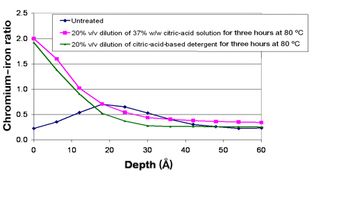
The author describes the types and sources of rouge and explains ways to prevent and mitigate this problem.
Equipment and Processing Report
US Pharmacopeia apparatuses for testing the dissolution of transdermal drugs produce good, reproducible results. Yet some scientists believe that further modifications could improve the instruments? suitability for this application.
ePT--the Electronic Newsletter of Pharmaceutical Technology
Pfizer to Acquire FoldRx; Protalix Appoints COO; And More.
ePT--the Electronic Newsletter of Pharmaceutical Technology
Roche (Basel) launched a groupwide operational-excellence initiative intended to modify the company's cost structures and accelerate its productivity improvements.
ePT--the Electronic Newsletter of Pharmaceutical Technology
After hosting the first international scientific workshop on nanomedicines earlier this month, the European Medicines Agency (EMA) has concluded that further research is needed to provide an adequate scientific basis for evaluating the quality, safety, and efficacy of such medicines.
ePT--the Electronic Newsletter of Pharmaceutical Technology
The Society for Chemical Manufacturers and Affiliates (SOCMA) issued recommendations relating to disclosure of confidential business information (CBI) in response to Environmental Protection Agency's (EPA) decision to limit CBI claims on chemical identity under the Toxic Substances Control Act (TSCA).
ePT--the Electronic Newsletter of Pharmaceutical Technology
Director General of the European Generic Medicines Association (EGA), Greg Perry, has emphasized the need for EU biosimilar guidelines for monoclonal antibodies (mAbs), as well as a harmonized, global approach to biosimilars in general, at the agency's 8th International Symposium on Biosimilar Medicines.
Pharmaceutical Technology Europe
The European Medicines Agency (EMA) has launched a review of GlaxoSmithKline's pandemic influenza vaccine Pandemrix to investigate whether there is a link between vaccination and cases of narcolepsy, a rare sleep disorder.